
For an aerospace titan like Boeing, the cadence of the assembly line is the heartbeat of the entire company. But on October 27, 2026, that rhythm stuttered. In a move that sent shockwaves through the markets, the company announced it was cutting delivery targets for its flagship 737 Max and 787 Dreamliner aircraft. The decision, driven by persistent production delays and ongoing quality concerns, highlights the immense pressure facing the manufacturer as it attempts to stabilize its operations.
Investors reacted swiftly to the news. Boeing shares tumbled 10%, hitting an 18-month low as the reality of a prolonged recovery settled in. This is not merely a logistical hurdle; it is a fundamental recalibration of expectations for a company that has long defined the standard for global aviation.
The financial toll of these operational struggles became clear in the third quarter of 2026. Boeing’s commercial airplane division reported a loss of $697 million, a stark figure that underscores the difficulty of maintaining profitability while wrestling with production bottlenecks. Yet, beneath the red ink, there are signs of resilience. The company managed to generate $464 million in free cash flow during the same period, providing a sliver of stability amid the turbulence.
This shortfall is not a surprise to those watching the company’s internal metrics, but it serves as a sobering confirmation of the headwinds Boeing faces.
CEO Kelly Ortberg has been clear about the philosophy guiding this difficult period. Rather than chasing aggressive, short-term production milestones, Ortberg is prioritizing the integrity of the manufacturing process. "It’s more important that we do this ramp right than what particular month we achieve a rate break, and we’ll stay disciplined here," Ortberg remarked, signaling a departure from the high-pressure environment that previously defined the company’s output goals.

BRENT CRUDE SETTLED BELOW $114 A BARREL AMID DIPLOMATIC EFFORTS TO EASE PERSIAN GULF TENSIONS. UPS ROSE ON A POSITIVE OUTLOOK, BOEING FELL 11% AFTER CUTTING ITS DELIVERY TARGET, AND THE DOLLAR STRENGTHENED.
The ambition to deliver 500 aircraft this year has officially been abandoned. This shortfall is not a surprise to those watching the company’s internal metrics, but it serves as a sobering confirmation of the headwinds Boeing faces. Jay Malave, the company’s financial director, was blunt in his assessment, confirming that Boeing will not be able to fulfill its original delivery plans by the end of 2026.
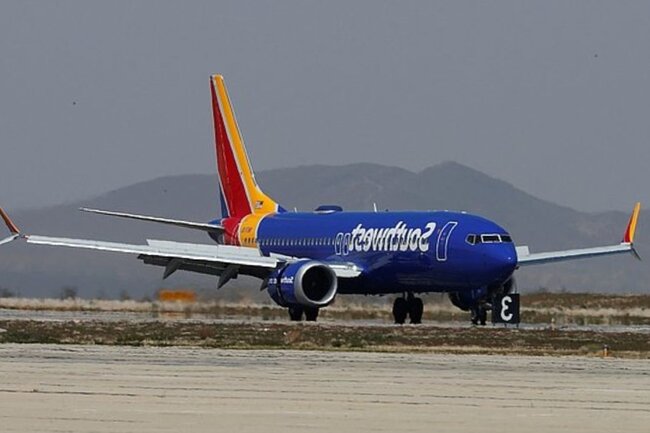
This delay is compounded by the specific challenges of the 737 Max program. While the company currently maintains a production rate of 47 aircraft per month, the path to reaching 52 jets a month is obstructed by slower-than-anticipated wing production. According to Ortberg, the company does not plan to aggressively ramp up output for its most commercially successful model until at least the second half of 2027.
Despite the immediate setbacks, Boeing is looking toward a future defined by steady, if slow, growth. The company expects to generate $2 billion in free cash this year, a figure it aims to grow to $3 billion by next year. The long-term vision is even more ambitious, with targets set for $10 billion in free cash flow by 2029.
This trajectory assumes that the company can successfully navigate its current quality issues and stabilize its supply chain. For now, the focus remains on the fundamentals. By choosing to delay the production increase of the 737 Max, Boeing is betting that a slower, more deliberate approach will ultimately restore the trust of its customers and the confidence of its shareholders. As the company moves past this difficult quarter, the challenge will be to prove that this disciplined path is the right one for the long haul.

BOEING SAYS IT EXPERIENCED SUPPLIER SHORTAGES DURING Q3 THAT DISRUPTED FACTORY OPERATIONS, ADVERSELY AFFECTING ITS KC-46A TANKER AND 777 FREIGHTER PROGRAMS