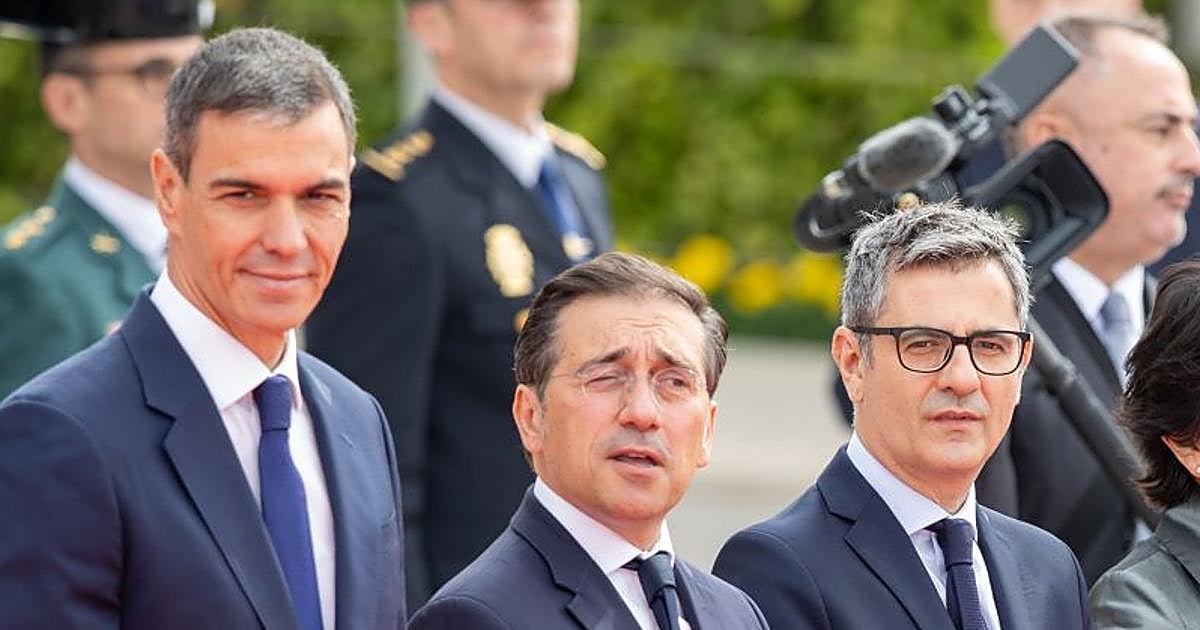
In the heart of Madrid, the Spanish Supreme Court stands as a bastion of legal authority, its decisions often shaping the course of national policy. One such decision, issued on October 23, 2026, has sent ripples through the corridors of power and the lives of thousands of Spaniards. The court has ordered ministers Felix Bolaños and Jose Manuel Albares to provide a list of 163,000 individuals who have obtained Spanish nationality through the 'grandchild voting' law. The deadline is set for October 28, 2026, and failure to comply could result in fines or even criminal penalties.
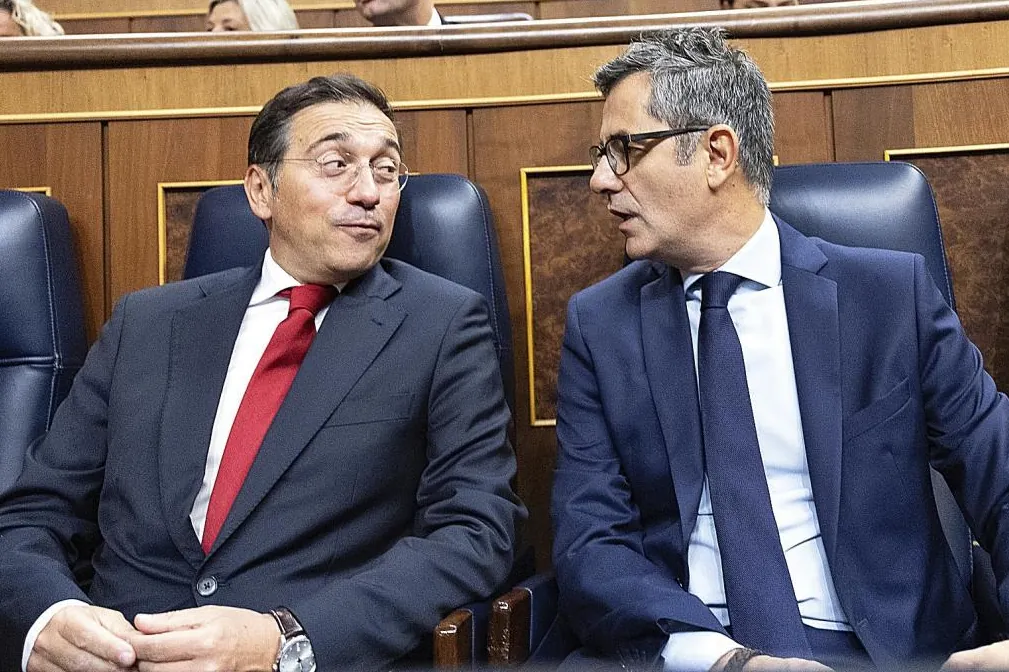
The saga began in October, when the Supreme Court first issued a warning to the government. The court's patience had run thin, and it was clear that the Foreign Affairs ministry, under the stewardship of Albares, had not taken the necessary steps to fulfill its obligations. The court's decision came after months of inaction, highlighting the tension between legal authority and bureaucratic lethargy.
The 'grandchild voting' law, officially known as the Law of Exiled Grandchildren, was enacted before the current government took office. The law allows the descendants of Spanish exiles to vote in Spanish elections, ensuring that the voices of those who had been forced to leave the country could still be heard. The law was designed to address historical injustices and ensure that the legacy of Spanish exiles was preserved.
If they fail to comply with the Supreme Court's directive, the consequences could be severe.
On October 23, 2026, the Supreme Court issued a stern directive. The court demanded that Bolaños and Albares provide a list of 163,000 individuals who have benefited from the law. The court's action stems from the administration's lack of diligence in providing the required list. The directive is clear: the government must comply within five days or face potential penalties, including fines or legal action.
The Supreme Court's directive also serves as a warning to those registered in the Absent Voters Census. The court has clarified that acquiring Spanish nationality through the option of origin does not automatically grant the right to vote. This clarification is crucial, as it ensures that only those who have been officially recognized as eligible voters can participate in the electoral process. The court's action is a bid to maintain the integrity of the electoral system and prevent the disenfranchisement of voters.
The government has been given until October 30 to send preliminary documents, but the final list must be submitted by October 28. The government is allowed to send preliminary documents during this period, but they must include a clear warning that the inclusion in the electoral roll is provisional. This is a critical step, as it allows the government to gather and verify the necessary information without the pressure of an immediate deadline.
The stakes are high for the government. If they fail to comply with the Supreme Court's directive, the consequences could be severe. The court has threatened penalties, including fines. Moreover, failure to meet the deadline could result in legal action, potentially leading to criminal charges against the ministers involved. The government's inaction has left the court with little choice but to take a firm stance.
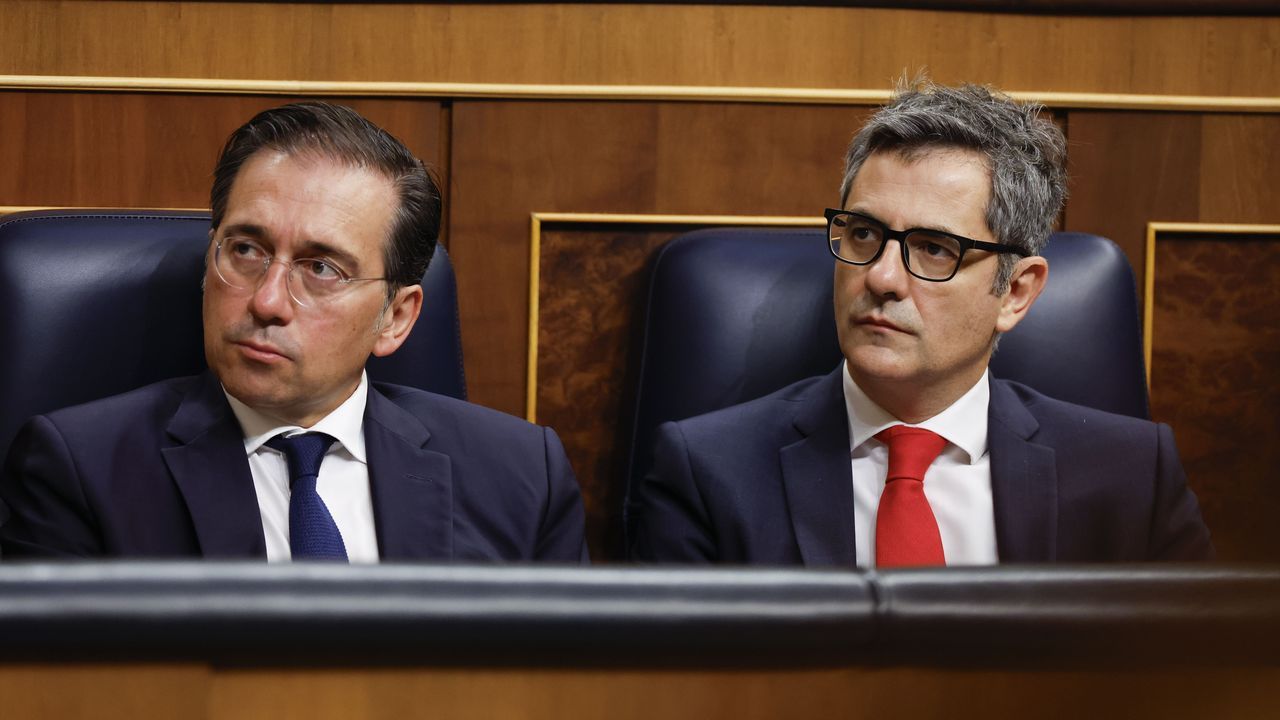
The 'grandchild voting' law has been a contentious issue, with supporters arguing that it is a way to honor the legacy of Spanish exiles and ensure their voices are heard. Critics, however, have raised concerns about the potential for abuse and the complexity of the law. The Supreme Court's directive is a reminder that the law must be implemented with strict adherence to legal standards. The court's action is not just about compliance; it is about ensuring that the electoral process remains fair and transparent.
As the deadline approaches, the eyes of Spain are on the government. The ministers of Justice and Foreign Affairs, Bolaños and Albares, must now act with urgency. Their failure to comply could have far-reaching consequences, not just for the individuals affected by the law but for the integrity of the Spanish electoral system. The Supreme Court's directive is a clear signal that the government must take action, and the clock is ticking.
The Supreme Court's deadline is a turning point in the implementation of the 'grandchild voting' law. The government must now act with the urgency and diligence required to meet the court's demands. The outcome of this challenge will not only determine the fate of 163,000 individuals but also the future of Spanish democracy. The court's action is a reminder that the rule of law must be upheld, and that the voices of all citizens, regardless of their history, must be heard.