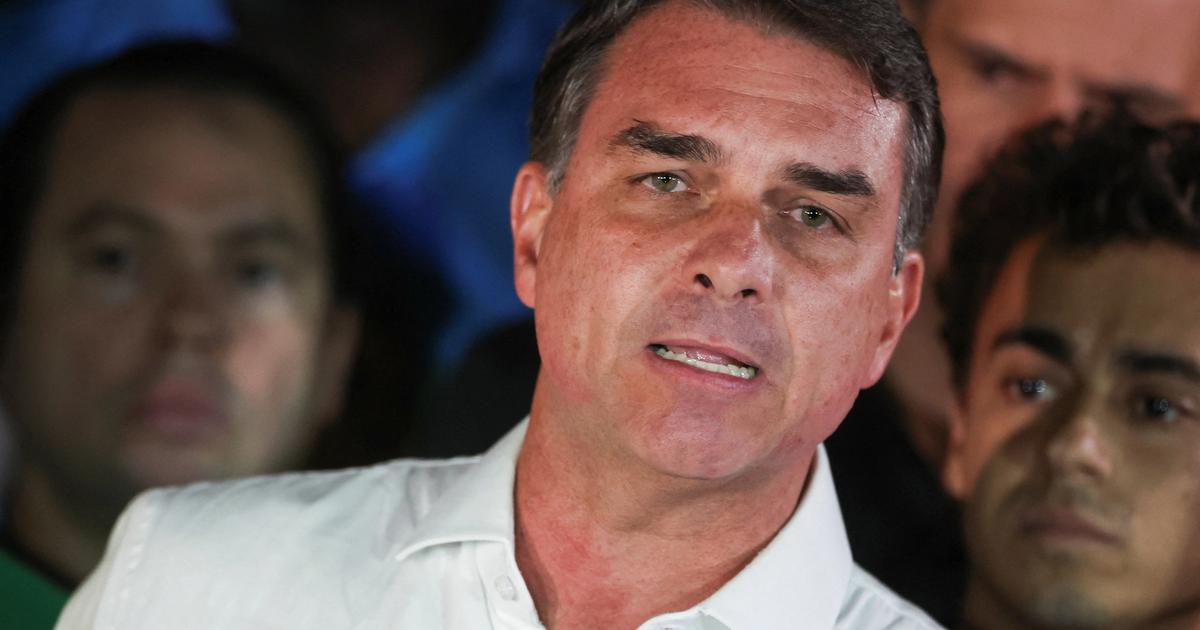
In a shocking turn of events, Flávio Bolsonaro, the far-right candidate who lost Brazil's presidential election to incumbent Luiz Inácio Lula da Silva, found himself in a race against time. On October 27, 2026, Bolsonaro, who had been a vocal supporter of former U.S. President Donald Trump, fled Brazil to avoid facing corruption charges. His departure came just hours after he lost the election, leaving many to wonder about the future of Brazil's democracy and the role of international allies in the country's political landscape.
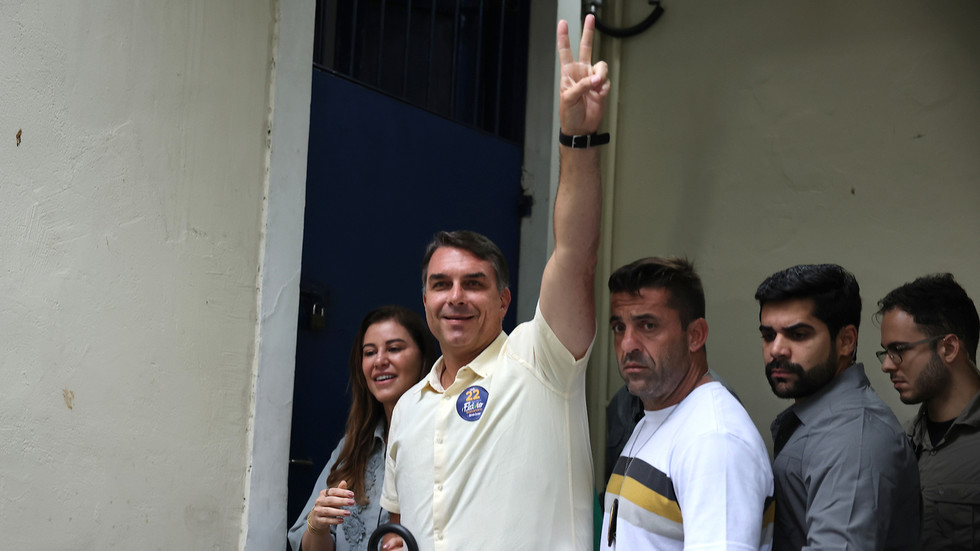
Bolsonaro, who had been under investigation for corruption and money laundering, faced a significant deadline. On October 27, 2026, he was required to surrender his passports, a move that he defied. His defiance and subsequent flight to the United States have raised concerns among Brazilian officials and the international community.
The White House, under the supportive stance of the current administration, offered Bolsonaro a visa. This decision has sparked debates about the U.S. policy towards Latin America and the implications for regional stability. Analysts have noted that the U.S.'s 'Donroe Doctrine,' which emphasizes engagement with Latin American countries, is being tested in this situation.
Former President Luiz Inácio Lula da Silva, who won the election, described Bolsonaro's departure as 'shameful.
Bolsonaro's family connections to the U.S. played a significant role in the decision to issue him a visa. His brother, Eduardo Bolsonaro, a member of the Brazilian Congress and a close ally of former U.S. President Donald Trump, has long maintained strong ties with the U.S. This connection, along with Bolsonaro's own support for Trump, may have influenced the U.S. State Department's decision.
On October 27, 2026, the U.S. State Department issued visas to Flávio Bolsonaro and his family. The decision came as Bolsonaro faced a separate investigation into suspected irregularities in the financing of a biographical film about his father. Bolsonaro, who has denied wrongdoing in the money laundering investigation, has vowed to continue his fight against corruption and to hold his head high, as he put it, 'whatever happens.'
Back in Brazil, the reaction to Bolsonaro's departure and the U.S. visa was swift and critical. Former President Luiz Inácio Lula da Silva, who won the election, described Bolsonaro's departure as 'shameful.' Lula's supporters saw it as a further erosion of Brazil's democratic institutions and a sign of the country's growing instability. The incident has also raised questions about the integrity of the Brazilian electoral process and the role of external actors in shaping the country's political landscape.
The U.S. decision to issue a visa to Bolsonaro, a man under investigation for corruption, has broader implications for U.S. policy in Latin America. The 'Donroe Doctrine,' which emphasizes engagement and support for democratic institutions in the region, is being tested in this situation. Analysts are closely watching how this incident will impact the U.S.'s approach to regional stability and its relationship with Brazil and other Latin American countries.
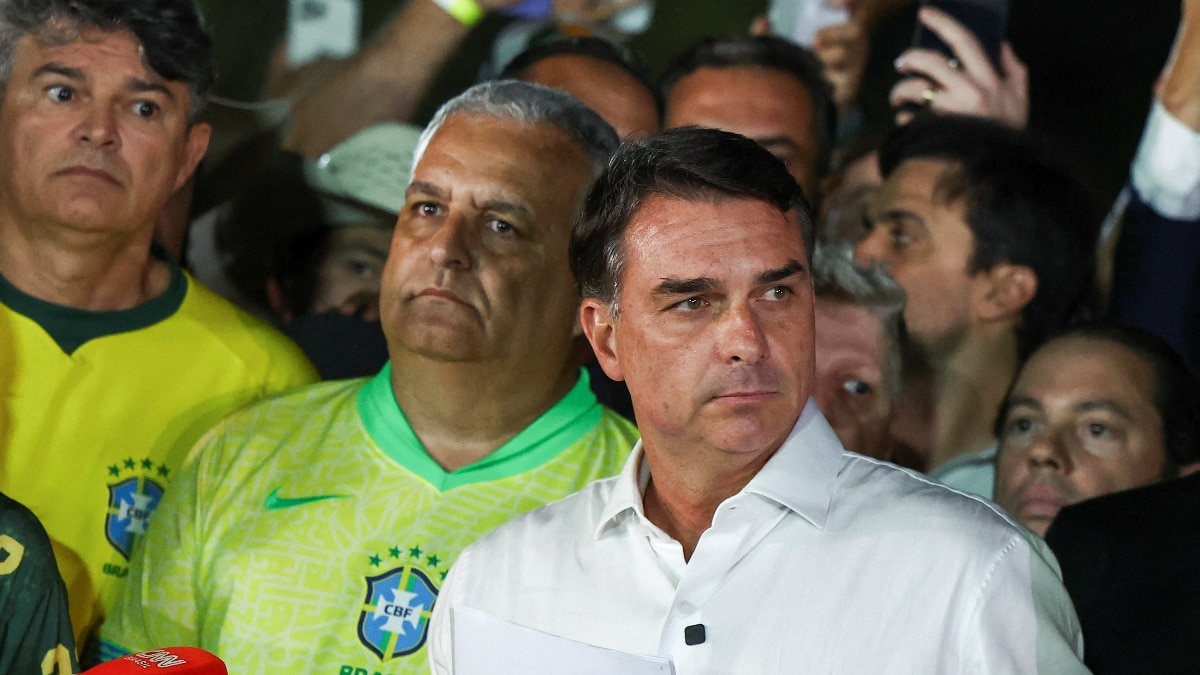
The situation in Venezuela and Cuba further complicates the U.S. strategy. Both countries have long been areas of focus for U.S. foreign policy, and the U.S. has been working to support democratic transitions and human rights in these regions. The Bolsonaro case adds another layer of complexity to this already intricate web of international relations. The U.S. must navigate these challenges while maintaining its commitment to democratic values and regional stability.
As Flávio Bolsonaro settles into his new home in the United States, the incident raises important questions about the U.S. stance on Latin American politics and the future of Brazil's democracy. The U.S. decision to issue a visa to a man under investigation for corruption has sparked debates and concerns, highlighting the delicate balance between supporting democratic institutions and maintaining strong diplomatic ties in the region.