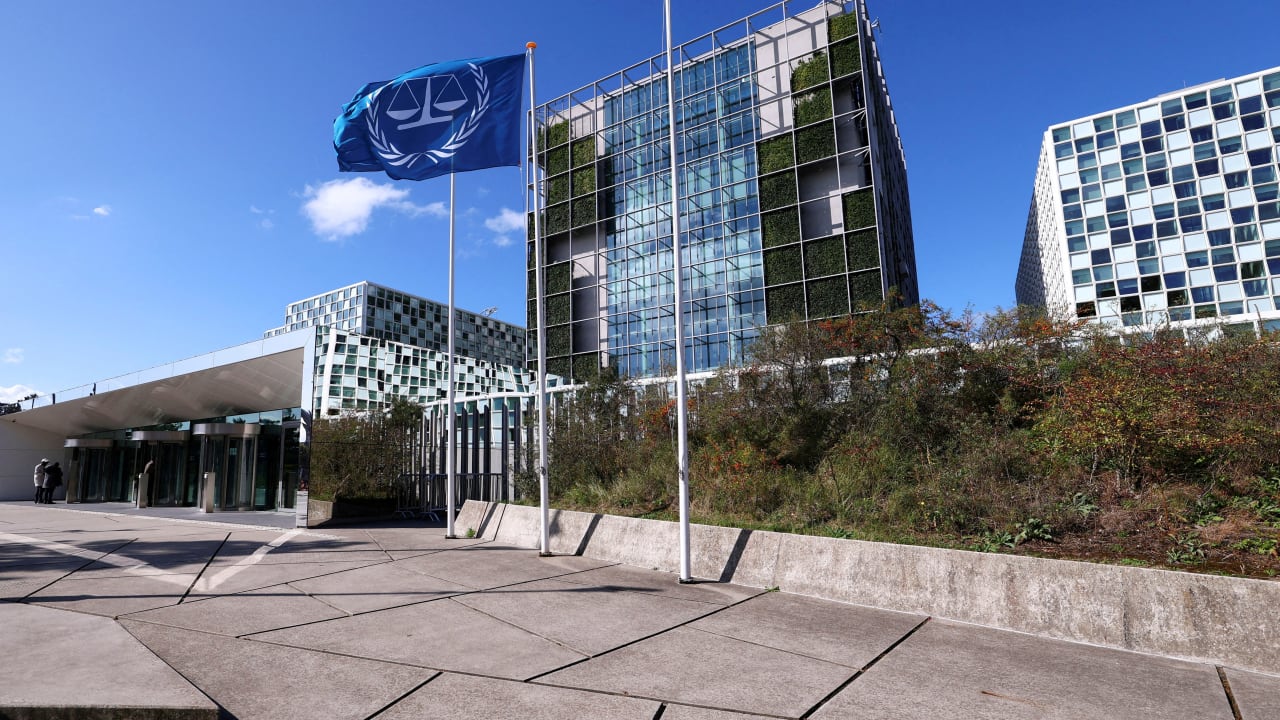
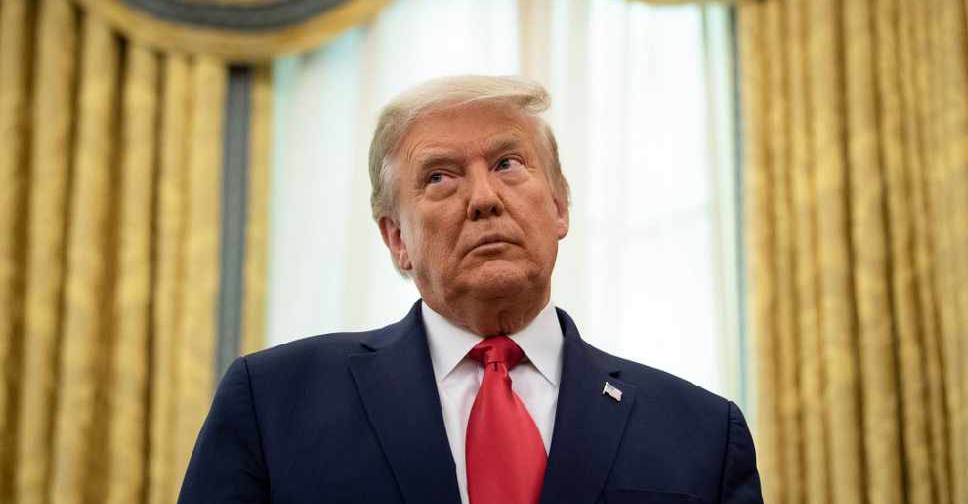
On Friday, 2026-10-09, the administration of President Donald Trump imposed sanctions on the International Criminal Court. The timing was notable because the sanctions came only hours after one of the court’s former judges, Navi Pillay, had been awarded the 2026 Nobel Peace Prize. The prize itself had drawn criticism from President Trump, who publicly disputed the selection. The confluence of the award and the punitive measure set the stage for a diplomatic moment that quickly drew reactions from the court.
Nazhat Shameem Khan, the ICC’s deputy prosecutor, was swift in condemning the sanctions. She described them as "an attempt to obstruct the course of justice and to prevent the Court from doing what it was created to do" and characterized the move as "an assault on the rule of law and on the very foundations of the international legal order." The court’s leadership also stressed that it would continue to fulfill its mandate to prosecute individuals for war crimes, crimes against humanity, genocide, and aggression, but warned that it could not stand alone. It called on its 125 member states to provide the necessary resources to sustain its work in the face of the new US restrictions.
Today, the Trump Administration is sanctioning the ICC. This action should encourage our Allies within the Court to work for solutions to end this threat to U.S. sovereignty forever. https://t.co/D86dCqLUaZ
The Trump administration’s hostility toward the ICC is not new. The court was founded in 2002, and the United States has never ratified its founding statute, a fact that Washington cites to argue that the ICC lacks jurisdiction over American personnel. The Trump administration has questioned the court’s impartiality and its potential to prosecute US citizens. The 2026 sanctions therefore represent an escalation of a longstanding skepticism, moving from verbal criticism to concrete economic measures aimed at the court’s operational capacity.
The sanctions announced by the Treasury and State Departments go beyond previous measures by seeking to cut off the court’s access to essential services.
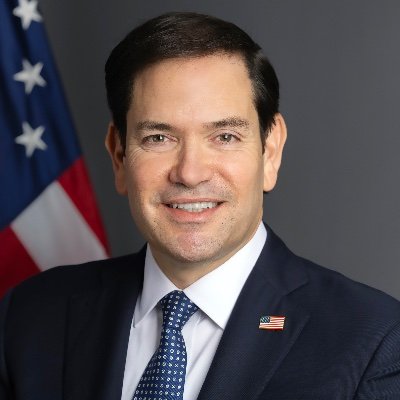
The sanctions announced by the Treasury and State Departments go beyond previous measures by seeking to cut off the court’s access to essential services. Secretary of State Marco Rubio declared that the United States would "ban transactions with this rogue court, cutting off their resources and crippling its ability to operate." The prohibition applies to any US entity that might provide banking, software, or other support services to the ICC. By targeting the court’s logistical backbone, the administration hopes to impede its day-to-day functions while leaving open the possibility for other nations to negotiate a solution, as Rubio later suggested.

Marco Rubio: Either the ICC will end its threats, or we will end the ICC. And we expect our allies, many of whom are part of the ICC, and that rely on American service members for their defense, to rein in this rogue court. If they do not, the United States will continue its campaign to dismantle the ICC, piece by piece, until Americans are threatened no longer.
The immediate catalyst for the sanctions appears to be the ICC’s recent issuance of arrest warrants for Israeli officials, including Prime Minister Benjamin Netanyahu. The court’s move to pursue those warrants provoked strong reactions in Washington. Additionally, the sanctions follow a prior ICC investigation into alleged misconduct by US soldiers during operations in Afghanistan, a probe that the United States has contested. Together, these judicial steps have been framed by the Trump administration as evidence that the court is seeking to prosecute Americans, a claim that Rubio repeatedly emphasized.
Marco Rubio framed the sanctions as a defense of US sovereignty. He asserted that "President Trump will never allow the International Criminal Court to prosecute Americans" and warned that "Either the ICC will end its threats, or we will end the ICC." In his remarks, Rubio also called on allied nations to restrict the court’s activities, suggesting that the sanctions could serve as a lever to encourage broader coordination against the ICC’s perceived overreach. The ICC, for its part, responded by labeling the sanctions an attack on the international legal order and reiterated that it would "not be deterred" by the intimidation.
Despite the US measures, the ICC maintains that it will continue its work. The court notes that it cannot rely solely on its own resources and that the fate of its mission now rests also in the hands of the states that created it—a reference to its 125 member states, which include every EU and NATO member except the United States and Turkey. The institution’s base in the Netherlands places it in Europe, a geography that underscores the transatlantic tension generated by the sanctions. While the United States insists the ICC lacks jurisdiction over it because it never ratified the founding statute, the court’s leadership insists that its mandate remains intact and that it will seek the support of its member states to weather the financial pressure.