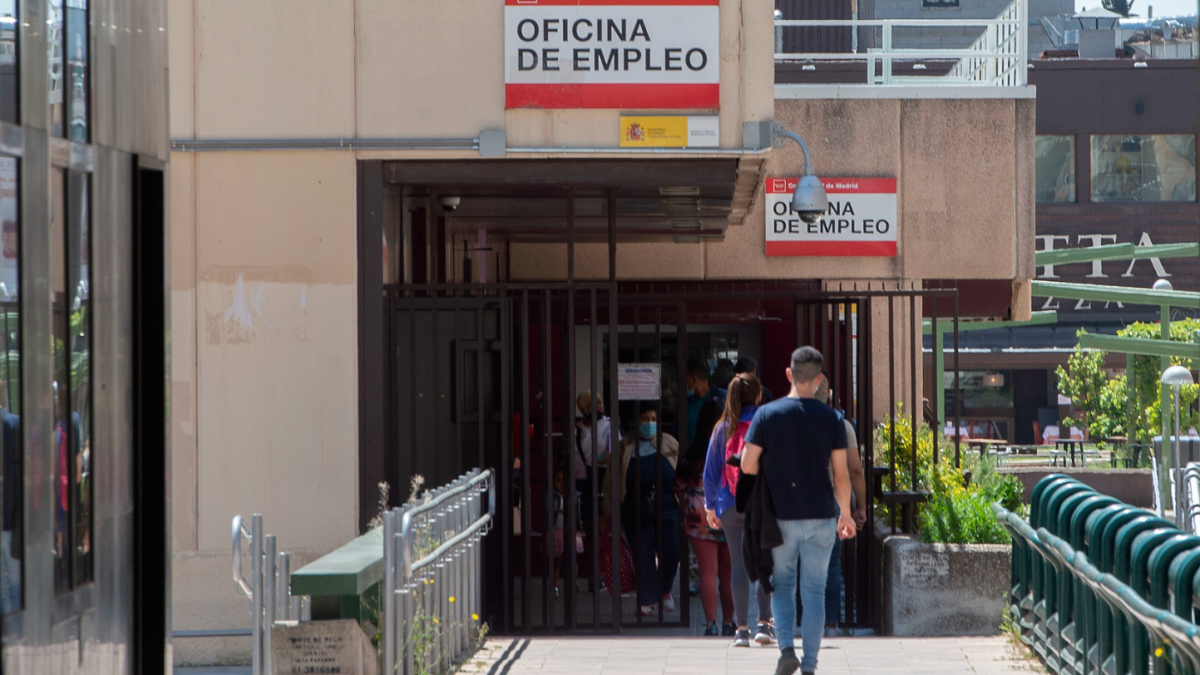
For a newcomer to the Spanish economy, the headlines released this month might seem like a contradiction that defies logic. On one side, the Ministry of Labor announced that Spain's Social Security system recorded its highest-ever growth for an October month, adding a massive 186,612 affiliates. On the other, public employment offices reported that the number of registered unemployed people jumped by 43,128 individuals, marking the worst performance for the month since the height of the pandemic. To understand how a country can break all-time employment records while simultaneously seeing its unemployment rate climb, one must look at the specific forces at play: the start of the school year and a major administrative shift regarding the status of foreign workers.
The employment figures paint a picture of unprecedented scale. By the end of October, the total number of people affiliated with the Social Security system, known as afiliados, reached 22,624,165. This represents a significant milestone in the country's post-pandemic recovery. Since 2018, the average number of affiliates has climbed by more than 3.63 million, a surge that reflects a sustained expansion in the labor force over the last half-decade. The composition of this workforce is broad, with a large number of affiliates. The services sector, which employs around 70 percent of Spain's workforce, accounted for the bulk of the new jobs, with an increase of 26,853 individuals. All sectors recorded an increase in unemployment for the month. A critical demographic detail emerges when looking at who is entering the unemployment registry: two-thirds of the people who became newly unemployed in October were foreigners. This statistic connects directly to the earlier note about the regularized influx of foreign workers. As more migrants gain legal status and enter the labor force, the temporary friction of finding work can lead to a spike in registered unemployment, even as the broader system absorbs more total workers.
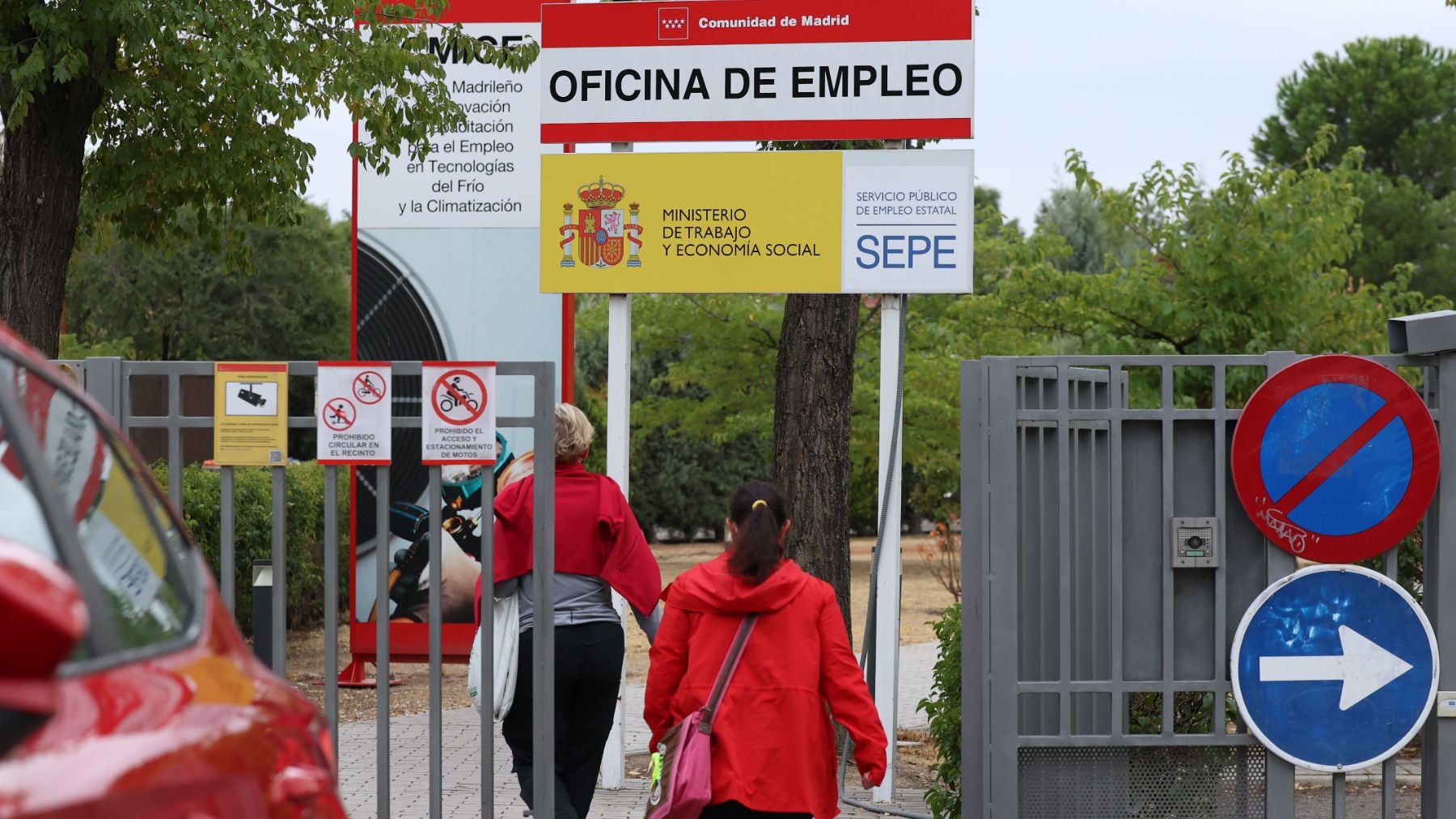
While the affiliate numbers tell a story of record employment, the registered unemployment data presents a different, more troubling trend. Unemployment increased by 43,128 people in October, a rise of 1.8 percent. This is double the increase seen at this time last year and marks the largest October jump since 2020. The total number of registered unemployed reached 2,422,633. While this is the highest October level since 2007, it is important to contextualize the figure in a multi-year view. Over the past year, the total number of unemployed people has actually decreased by 21,133, or 0.86 percent. In other words, despite the sharp monthly spike, there are roughly 21,000 fewer people unemployed today than there were in October of the previous year.
While the affiliate numbers tell a story of record employment, the registered unemployment data presents a different, more troubling trend.
The divergence between these two datasets is the key to understanding the current economic reality. The Social Security data measures those who are contributing to the system, providing a broader view of active economic participation. The registered unemployment data measures those officially signing up at public employment offices, often capturing those who are temporarily out of work or in the process of transitioning. The gender dynamics also show interesting shifts. Women's unemployment fell by 29,360 over the past year, while men's unemployment increased by 8,227, suggesting that female participation in the workforce has been particularly strong in the long term. As Spain enters winter, the labor market stands at a record high in total employment, yet it faces the challenge of integrating a larger, more diverse workforce into stable positions.