
On April 7, 2023, the Greek parliament took a significant step towards safeguarding the digital well-being of its young citizens by approving a landmark law. The ban, which will take effect starting in 2027, prohibits individuals under 15 from using major social networks such as Instagram, Facebook, and TikTok. This legislation aims to protect children from the potential risks of social media while ensuring they retain full access to the internet for educational and communication purposes.
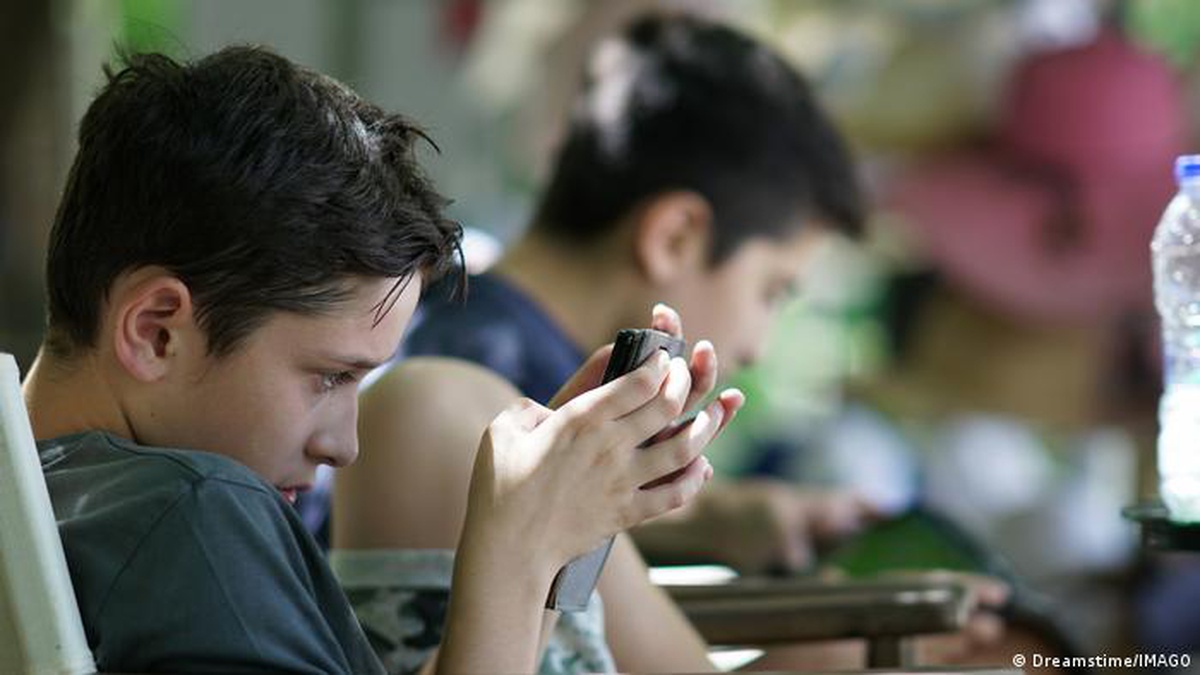
The government's rationale for the ban is rooted in the protection of children's mental health. Minister of Digital Transformation Dimitris Papastergiou has described the new law as an 'effective, necessary, and compliant solution' that aligns with broader European Union legal frameworks. The ruling party, New Democracy, supports the ban as a proactive measure to shield children from online risks. However, opposition parties, including Syriza and Pasok, have criticized the ban, arguing that it risks excluding young people from the modern world.
To ensure compliance, the legislation mandates that social networks implement robust age-verification tools. Potential solutions include the use of systems like 'Kids Wallet,' which can confirm a user's age without compromising personal privacy. Non-compliance will result in heavy fines for platforms that fail to meet these new requirements. This creates a high-stakes environment for tech giants, who must now adapt their systems to meet Greek standards.
Non-compliance will result in heavy fines for platforms that fail to meet these new requirements.
The parliamentary debate on the ban highlighted the ideological divide regarding the role of the state in digital parenting. While supporters argue that the ban is necessary to protect children, critics contend that it risks excluding young people from the digital world. Syriza Member of Parliament Elena Akrita expressed this concern, stating, 'Protecting children cannot be equated with excluding them.' The ban is expected to serve as a model for other countries considering similar restrictions, testing the balance between safety and digital inclusion.
The ban is set to take effect starting in 2027, with social networks required to implement age-verification tools by the implementation date. This legislative shift positions Greece as a leader in digital protection, aligning with similar measures in France and anticipating the broader objectives of the EU Kids Act.