
In the high-pressure corridors of the White House, the air often carries the weight of impending decisions, but by late October 2026, that weight had become palpable. The geopolitical landscape was shifting, marked by a series of escalations that moved the conversation from diplomatic friction to the grim mechanics of military engagement. At the center of this storm was the question of how the United States should respond to the evolving capabilities of Iran—specifically regarding its nuclear program and its ongoing missile production.

Before the formal military consultations began, the rhetoric surrounding the region had already reached a fever pitch. On October 23, 2026, President Donald J. Trump hinted at the possibility of a potential strike against Iran, a signal that the administration was weighing kinetic options. This moment of political signaling was followed closely by a provocative visual event on October 25, 2026, when Benjamin Netanyahu published an AI-generated image depicting a nuclear explosion in Tel Aviv. While the image was a digital construct, its psychological impact served to underscore the very real fears of nuclear proliferation and regional instability that were driving the American policy debate.

BREAKING: Trump administration plans to strike Iran directly after next week's US midterm elections, with CENTCOM commander Adm. Brad Cooper briefing Trump in a rare in-person meeting on military options at the White House today, per WSJ. Senior US officials say Cooper rarely briefs Trump in person, unless a significant military operations is to be carried out shortly. It followed a Wednesday session in which the military officers met Vice President JD Vance. Sen. Chris Murphy, who says he has been briefed on some of the classified planning, called the plans "insane." "It will lead to devastating escalation and the likely destruction of our commitment to the rule of law," he says.
On October 29, 2026, the theoretical discussions transitioned into the practical. Admiral Brad Cooper, the military commander of U.S. Central Command—the entity responsible for overseeing military operations in the Middle East—arrived at the White House. His mission was singular and heavy: to brief President Trump on specific military options against Iran. This was not merely a discussion of strategy, but a presentation of the Pentagon's preparations, detailing the logistical and tactical realities of what a strike might entail.
Behind the scenes, the Pentagon had been engaged in the quiet, methodical work of preparation.
Admiral Cooper’s briefing would have had to account for more than just the initial impact of a strike. A central component of the CENTCOM commander's role is to anticipate the ripple effects of American action. This includes assessing the potential for Iranian retaliation, a critical variable in any military planning. The briefing sought to provide the President with a clear-eyed view of the risks involved, balancing the desire to curb Iran's nuclear and missile advancements against the certainty of a regional response.
Behind the scenes, the Pentagon had been engaged in the quiet, methodical work of preparation. For the military, the transition from planning to potential execution involves a massive mobilization of resources, intelligence, and readiness. The briefing provided by Admiral Cooper served as the bridge between these administrative preparations and the executive decision-making process. It was an attempt to translate complex military capabilities into actionable intelligence for the President, ensuring that the weight of the decision was supported by the full breadth of U.S. Central Command's strategic assessments.

US 🇺🇸 CENTCOM commander Adm. Brad Cooper briefed POTUS Trump today in person on military options for Iran 🇮🇷, reports WSJ.
As the military options were laid out, the timing of these deliberations could not have been more sensitive. The United States was moving toward the midterm elections, scheduled for November 3, 2026. In the American political system, midterm elections often serve as a referendum on the sitting president's leadership and foreign policy. The looming vote meant that every move made by the administration—whether it was a show of force, a diplomatic maneuver, or an actual strike—would be viewed through a domestic political lens, potentially influencing the electorate's perception of stability and strength.
By the time the briefing concluded, the administration was left with a complex set of variables. The tension between Iran's nuclear ambitions and the United States' military readiness had reached a point where the status quo was no longer sustainable. The briefing by Admiral Cooper was a moment of clarity in a period of profound uncertainty, providing the President with the tools to navigate a landscape defined by missile production, nuclear concerns, and the constant threat of retaliation. As the country turned its attention toward the November elections, the shadow of the military options presented in the White House remained a defining feature of the national conversation.
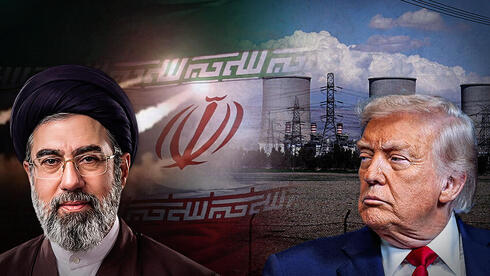

CENTCOM chief briefs Trump on options for renewed attacks on Iran: Report Read @ANI Story I https://t.co/nmDm7BELzQ #CENTCOMChief #Trump #RenewedAttacks #Iran #Report https://t.co/MgT9uqzsBe