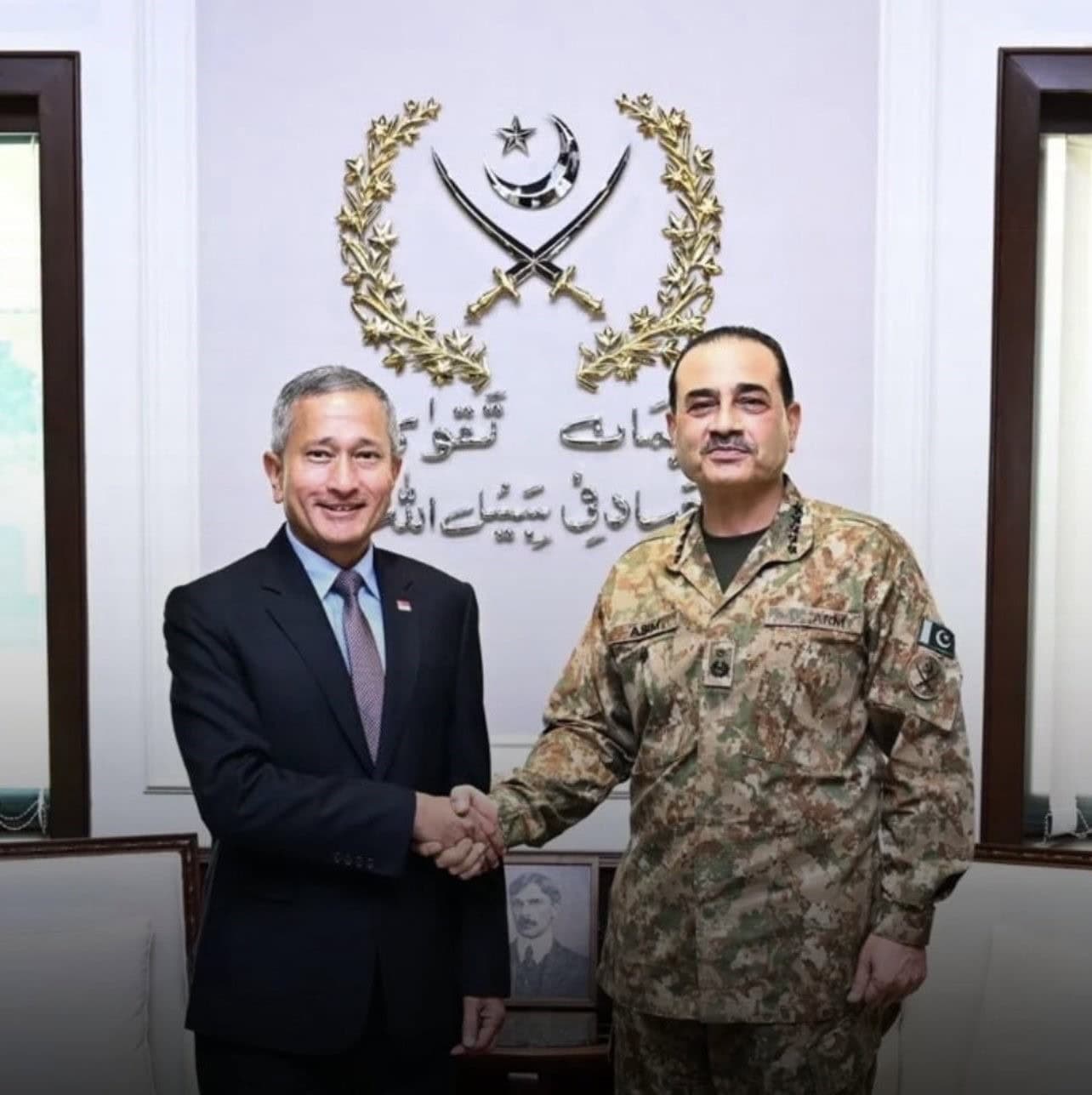
On October 30, 2026, a significant diplomatic engagement unfolded in Rawalpindi, Pakistan, as Field Marshal Asim Munir, the Chief of Defence Forces (CDF), met with Dr. Vivian Balakrishnan, Singapore's Minister of Foreign Affairs. This meeting was more than just a routine diplomatic encounter; it represented a concerted effort by both nations to forge stronger ties amid a rapidly evolving geopolitical landscape. As Munir and Balakrishnan sat down to discuss regional security and bilateral cooperation, the air was thick with the promise of mutual benefit and strategic alignment.
At the heart of their discussions was the pressing issue of regional security. Munir and Balakrishnan recognized the importance of stability in their respective regions, with both nations aiming to promote peace and cooperation. Munir emphasized Pakistan's commitment to regional stability, while Balakrishnan acknowledged Pakistan's military capabilities, highlighting a mutual respect that could pave the way for deeper cooperation. This acknowledgment is significant; it not only affirms Pakistan's role in regional security but also opens doors for potential military and defense collaborations.
The dialogue between Munir and Balakrishnan extended beyond mere platitudes. Both leaders underscored the necessity for sustained engagement and constructive dialogue, which are essential components for fostering long-term relationships. The discussions encompassed various areas of mutual interest, including health cooperation, which has become increasingly vital in the wake of global health crises. By recognizing the interconnectedness of their challenges, both nations are positioning themselves to tackle future issues collaboratively. This shared vision is crucial for countries that, while geographically distant, face similar challenges in governance, security, and public health.
As the meeting concluded, the implications of Munir and Balakrishnan's discussions began to resonate beyond the confines of their respective offices.
Balakrishnan's supportive stance during the meeting cannot be overstated. His acknowledgment of Pakistan's military capabilities signals Singapore's intent to strengthen its ties with Islamabad, a move that could alter the dynamics of regional cooperation. The mutual respect exhibited during the meeting indicates a readiness to explore new avenues of cooperation that could benefit both nations in the long run.
As the meeting concluded, the implications of Munir and Balakrishnan's discussions began to resonate beyond the confines of their respective offices. Strengthening bilateral relations with Singapore could serve as a catalyst for Pakistan to enhance its global standing. For Singapore, engaging with Pakistan offers an opportunity to diversify its diplomatic engagements and reinforce its position as a key player in regional stability. The potential for joint initiatives in defense, trade, and health could lead to a more integrated approach to addressing common challenges, benefiting both countries significantly.
The commitment expressed by both leaders to maintain a dialogue is a critical takeaway from this meeting. In an era where geopolitical tensions can escalate rapidly, the ability to engage constructively is invaluable. Munir's emphasis on sustained relations reflects a broader understanding within the Pakistani military that proactive diplomacy is essential for national security. This approach aligns with Singapore's own diplomatic philosophy, which prioritizes dialogue and engagement over confrontation. By committing to ongoing discussions, both nations are signaling their readiness to navigate the complexities of international relations together.
As Pakistan and Singapore embark on this renewed journey of cooperation, the world watches closely. The meeting between Munir and Balakrishnan is not just a moment in time; it represents a potential shift in how countries in the region interact with one another. The commitment to strengthening ties could lead to a more stable and prosperous region, one where countries work collaboratively to address shared challenges. As both nations continue to build on this foundation, the future looks promising, with the potential for innovative partnerships that could redefine their roles on the global stage.
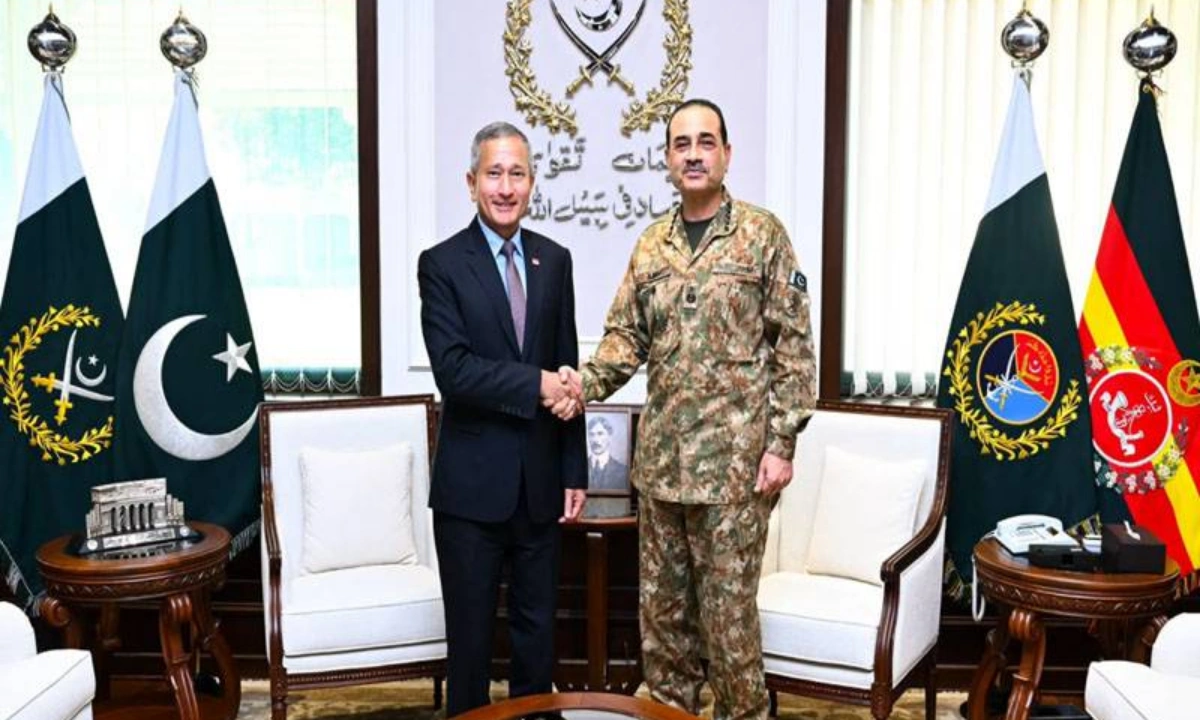
In conclusion, the recent meeting between Pakistan's Chief of Defence Forces and Singapore's Foreign Minister marks a significant step towards enhancing bilateral relations. With a focus on regional security and mutual cooperation, both nations are poised to embark on a collaborative journey that could yield substantial benefits for their respective populations.