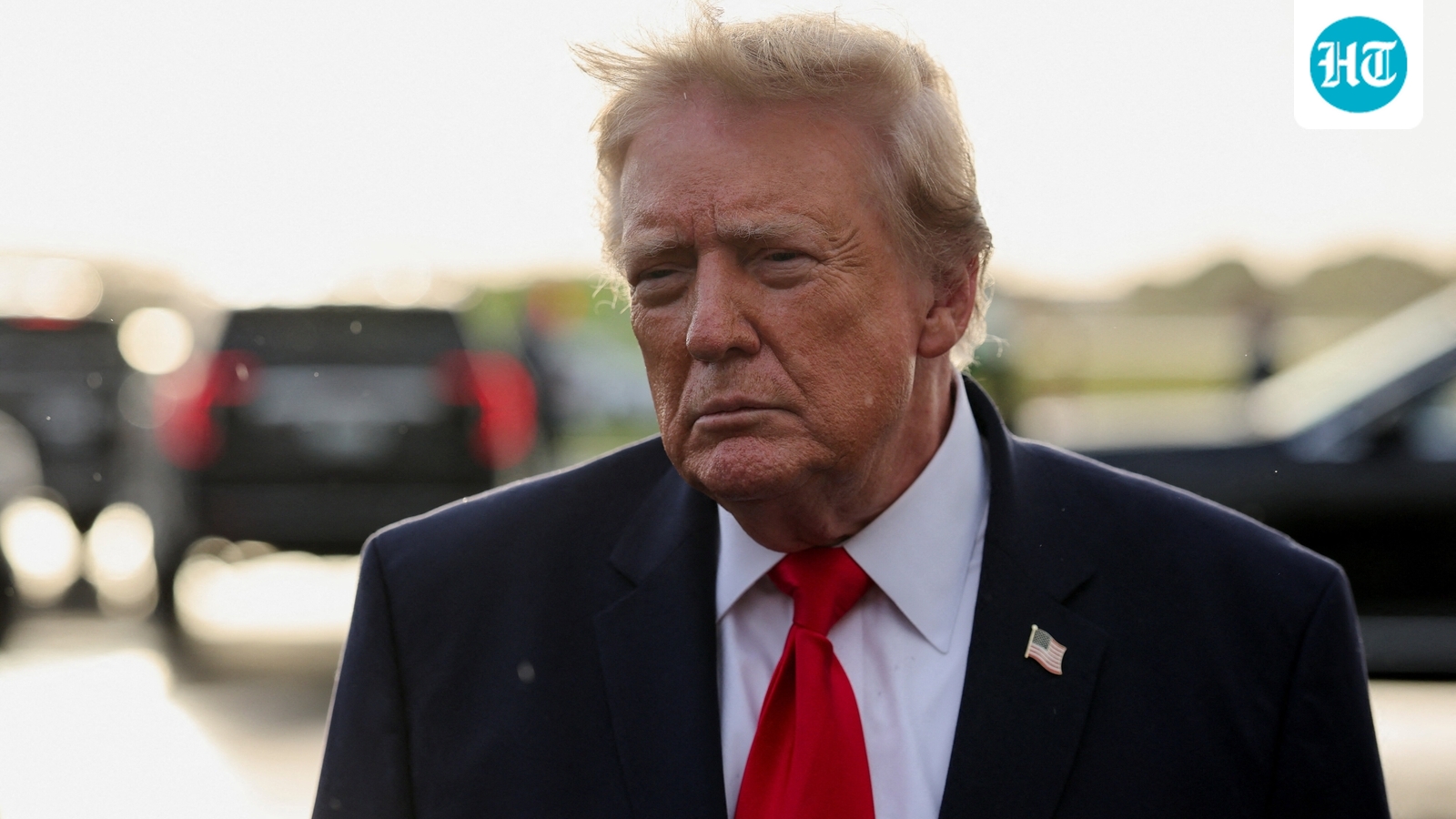
On October 24, 2026, President Donald Trump publicly claimed he initiated a legal challenge in Alaska's Senate race. This announcement marked a significant escalation in the political landscape surrounding the midterm elections. The administration moved quickly to assert control over the outcome, framing the action as a necessary intervention to protect the integrity of the voting process. By initiating this legal maneuver, the White House signaled that it would not accept the results at face value if they did not align with its strategic objectives.
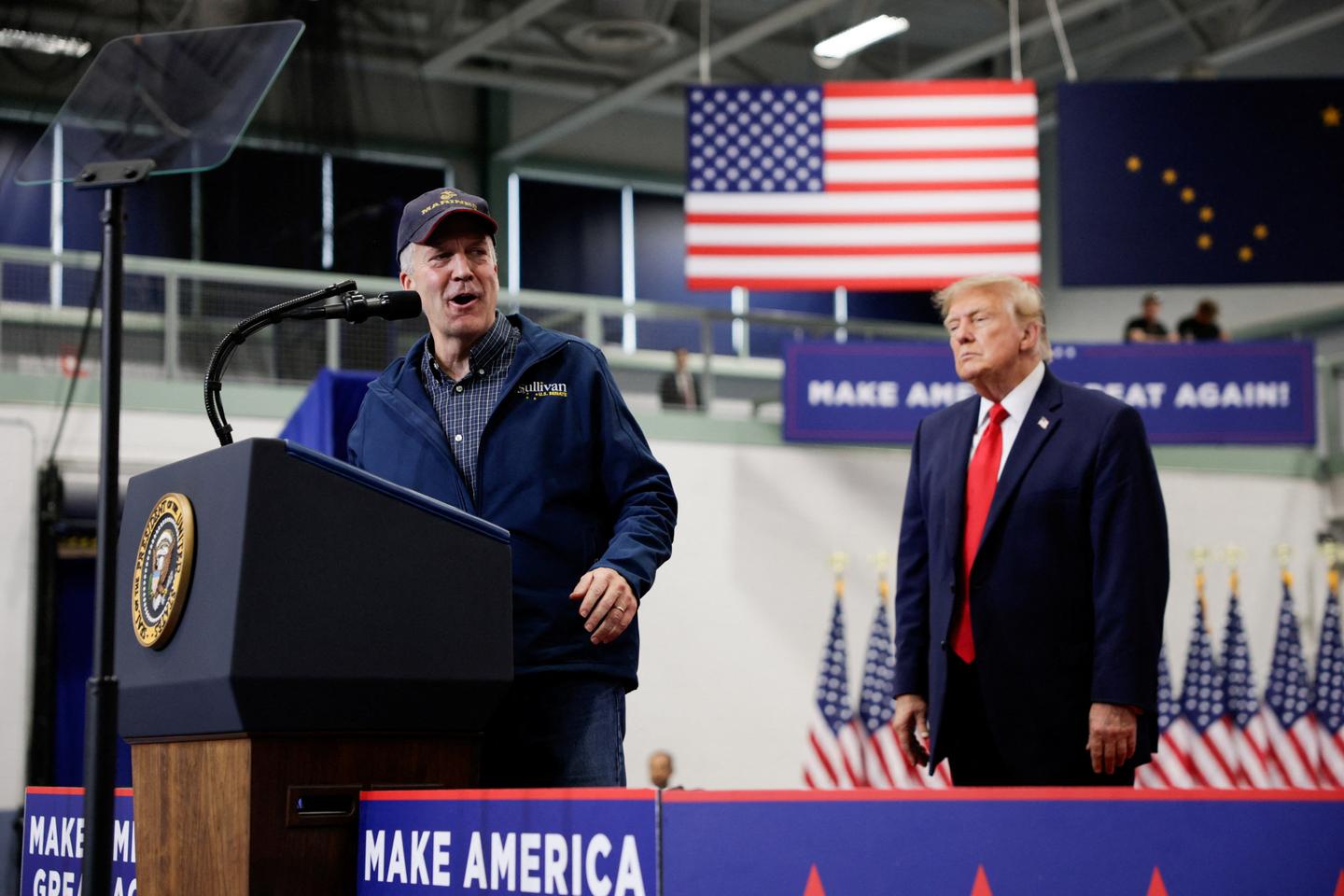
At the heart of this controversy lies a specific and unusual feature of the contest: homonymous candidates. Two individuals running for the Senate seat in Alaska share the surname Sullivan. One is the Republican incumbent, Dan Sullivan, while the other candidate also bears the name Daniel J. Sullivan. The U.S. Justice Department has filed a lawsuit to prevent Alaska's authorities from certifying results that could be affected by this similarity. The core argument presented by the administration is that the inclusion of Daniel J. Sullivan will confuse or mislead voters looking to cast a vote for Senator Sullivan. This potential for voter confusion is being treated as a substantive legal ground for challenging the election itself.

The Trump administration has sued Alaska to preemptively block the state from certifying the results of its US Senate race if the Republican incumbent candidate loses narrowly, saying voters could be confused because two Republicans on the ballot have almost identical names. https://t.co/qpNB0FWNho
The mechanism chosen to resolve this impasse involves federal intervention. The U.S. Justice Department has taken the lead in filing a lawsuit aimed at stopping the state-level certification process. This move raises concerns about the administration's acceptance of defeat in the midterm elections and its interference in state-run elections. By stepping into the arena to block certification, the federal government effectively placed itself above the state's electoral machinery. The goal was to ensure that the election results were not affected by voter confusion due to homonymous candidates, thereby preserving the perceived fairness of the process despite the underlying dispute.
The state court addressed the validity of the candidate's participation, which intersected with the federal lawsuit filed by the Justice Department.
Alaska's Supreme Court ruled on Dan J. Sullivan's candidacy on the same day as the broader legal filings, adding another layer of complexity to the timeline. The state court addressed the validity of the candidate's participation, which intersected with the federal lawsuit filed by the Justice Department. This dual-track approach—state judicial review alongside federal litigation—created a standoff where the legitimacy of the election results remained in flux. The interaction between these courts highlighted the tension between local electoral authority and federal oversight during a critical period of the political calendar.

All of Friday's network newscasts decried the DOJ Lawsuit over the Alaska Senate election and phony Dan J. Sullivan being listed on the same ballot as Republican incumbent Dan Sullivan. ABC’s David Muir introduced the story by simply saying the DOJ was “launching a lawsuit that would potentially block the results of the Alaska Senate race if the Democrat wins.”
Beyond the mechanics of the law, this development carries substantial weight for the broader political context. The challenge aims to ensure that the election results are not affected by voter confusion, which could potentially impact the outcome of the mid-term elections. If the administration successfully blocks the certification, it alters the trajectory of the race significantly. Conversely, if the state proceeds with certification, the administration must contend with the possibility of losing the seat. The stakes extend beyond a single legislative body, influencing the national narrative of the upcoming mid-term cycle.
In response to the legal pressure, officials within the department sought to clarify their position regarding the intent behind the intervention. Todd Blanche stated, "It is not DOJ's intention to -- and it's never our intention to -- improperly interfere with elections or the state confirmation process or certification process." While the statement attempts to distance the agency from accusations of misconduct, the timing of the lawsuit suggests otherwise. The administration maintains that the confusion caused by the shared names justifies the legal action, even as critics question whether the intervention crosses the line into improper interference with the state confirmation process.

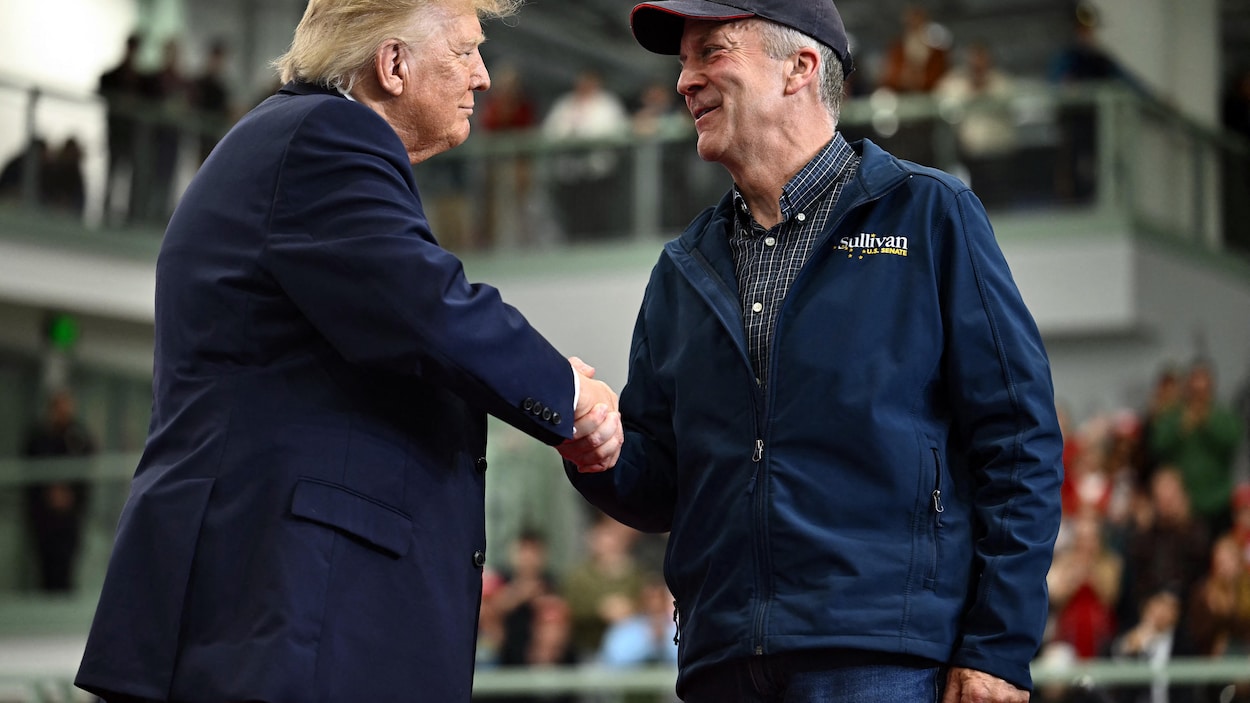
Thank you President @RealDonaldTrump for your strong endorsement and for prioritizing the needs of Alaska throughout your administration. From unlocking Alaska's vast resources to cutting taxes for working families and seniors, we've accomplished much for the people of our state the last two years. Let's keep it going!
As the legal proceedings unfold, the situation remains unresolved. The administration continues to back a legal challenge to prevent confusion in Alaska's Senate race, driven by the belief that the current path threatens the election's validity. The broader implications suggest a pattern of scrutiny applied to state-level outcomes when they do not align with federal expectations. Until the courts rule on the merits of the confusion claim, the status of the Senate seat remains uncertain, leaving the political community to watch how the administration navigates the intersection of federal power and state sovereignty.
Ultimately, the case stands as a test of the boundaries between election administration and federal oversight. On October 24, 2026, the U.S. Justice Department files lawsuit to invalidate Alaska's Senate election results. This specific event serves as a focal point for ongoing debates about the role of the executive branch in managing electoral disputes. As the matter progresses, the focus remains on whether the legal system can accommodate such unique challenges without compromising the fundamental principles of democratic choice. The outcome will determine the precedent set for future contests involving similar complexities.