
In the intricate machinery of India's legal system, few protections are as fundamental as the guarantee that no person shall be detained without being brought before a magistrate within 24 hours. For decades, a critical question lingered: When does this constitutional clock actually start? Does it begin the moment authorities take someone into custody, or only when they formally record the arrest? India's Supreme Court has now provided a definitive answer, reshaping how detention and arrest are understood across the nation.
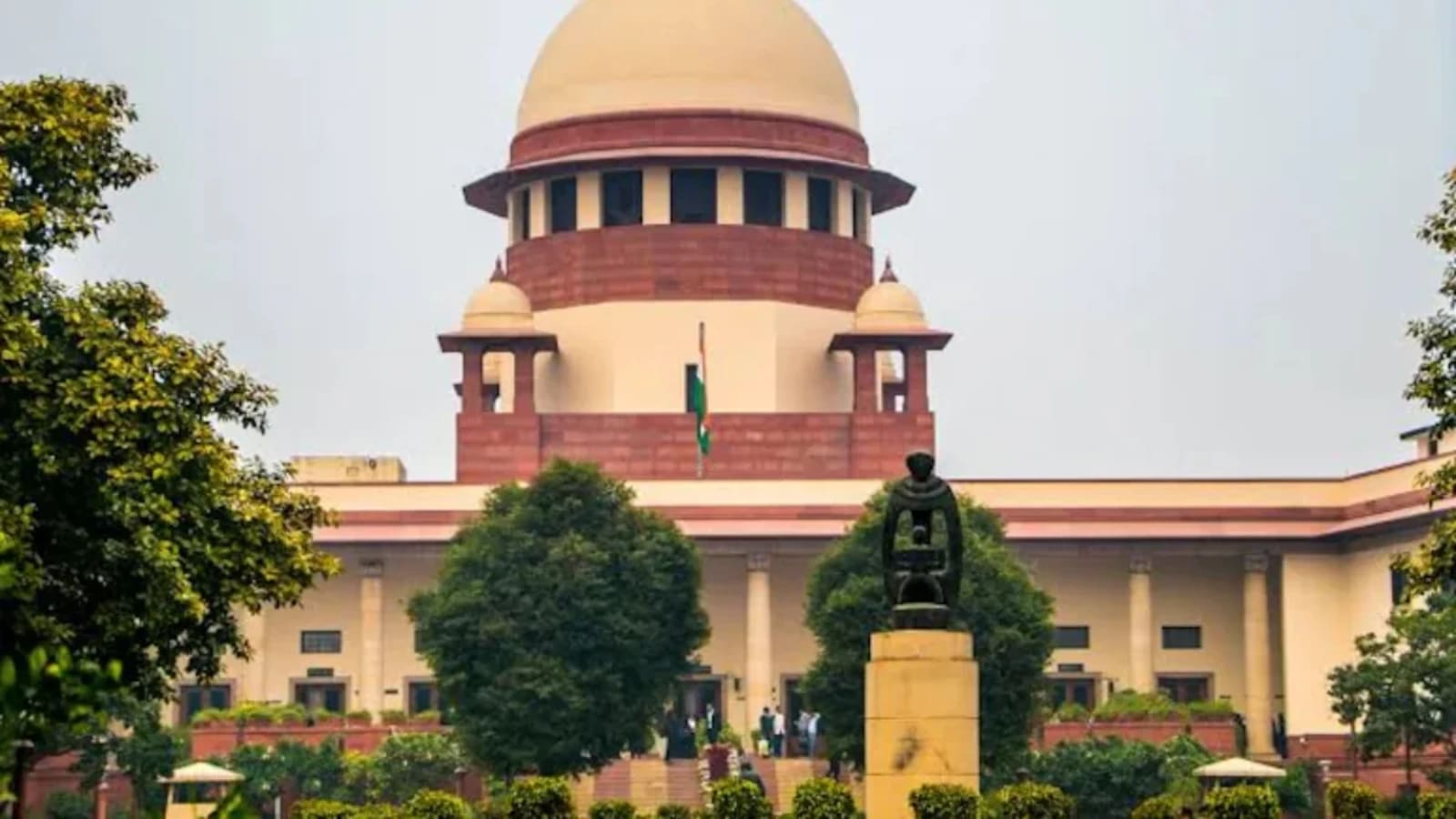
The Supreme Court's ruling, delivered by a bench comprising Justices Ujjwal Bhuyan and Atul S Chandurkar, leaves no room for ambiguity. Article 22(2) of the Indian Constitution mandates that every person arrested must be produced before the nearest magistrate within 24 hours. The court has clarified that this 24-hour period commences the moment a person is detained—when their freedom is first restricted by authorities. This interpretation closes a potential loophole that law enforcement agencies had previously exploited to extend custody periods.
The judgment explicitly disapproves of a practice where agencies would delay the formal recording of arrests while still maintaining custody. By creating what the court termed "artificial buffer periods," authorities could effectively extend the time a person remained in custody without triggering the constitutional requirement for judicial oversight. The Supreme Court bench characterized this practice as "highly problematic and wholly unwarranted," emphasizing that such maneuvers directly contravene the spirit of constitutional protections against arbitrary detention.
This landmark ruling doesn't just clarify existing law—it actively overturns previous interpretations from several high courts.
This landmark ruling doesn't just clarify existing law—it actively overturns previous interpretations from several high courts. The Supreme Court specifically rejected rulings from the Orissa, Kerala, and Madras High Courts that had allowed the period of detention before formal arrest to be excluded when calculating the 24-hour deadline. By doing so, the highest court in India has established a uniform standard across the country, ensuring consistent application of this fundamental right.
The practical impact of this decision is immediate and significant. Authorities must now be mindful that the moment they restrict a person's liberty—whether through physical restraint, questioning at a police station, or any other form of detention—the 24-hour clock begins ticking. The only exception explicitly permitted by the court is the time necessary for transporting the detainee from the place of detention to the magistrate's court. Any delay beyond this, or beyond the 24-hour mark, must result in immediate release, according to the ruling.
This ruling represents a strengthening of individual liberties within India's legal framework. By eliminating the distinction between detention and formal arrest for the purpose of the 24-hour production rule, the Supreme Court has made it more difficult for authorities to circumvent constitutional safeguards. The decision reinforces the principle that restrictions on personal freedom cannot exist without prompt judicial oversight, a cornerstone of democratic legal systems. As India continues to navigate questions of individual rights state power, this ruling stands as a clear affirmation of the Constitution's intent to protect citizens from arbitrary detention.