
When the first crowds gathered in the northeast of Paris last week, the city’s iconic boulevards seemed to echo a familiar refrain: frustration with a cost of living that feels increasingly out of reach. Yet this time the chant was louder, the participants more diverse, and the stakes higher. Students, union members, and a coalition of social movements converged to demand relief from soaring expenses and reforms to an education system many deem broken. The protests, which began on October 21, 2026, quickly spread beyond the capital, igniting parallel rallies in Lyon, Lille, Marseille, Nantes, and even crossing the border into Milan, Italy.
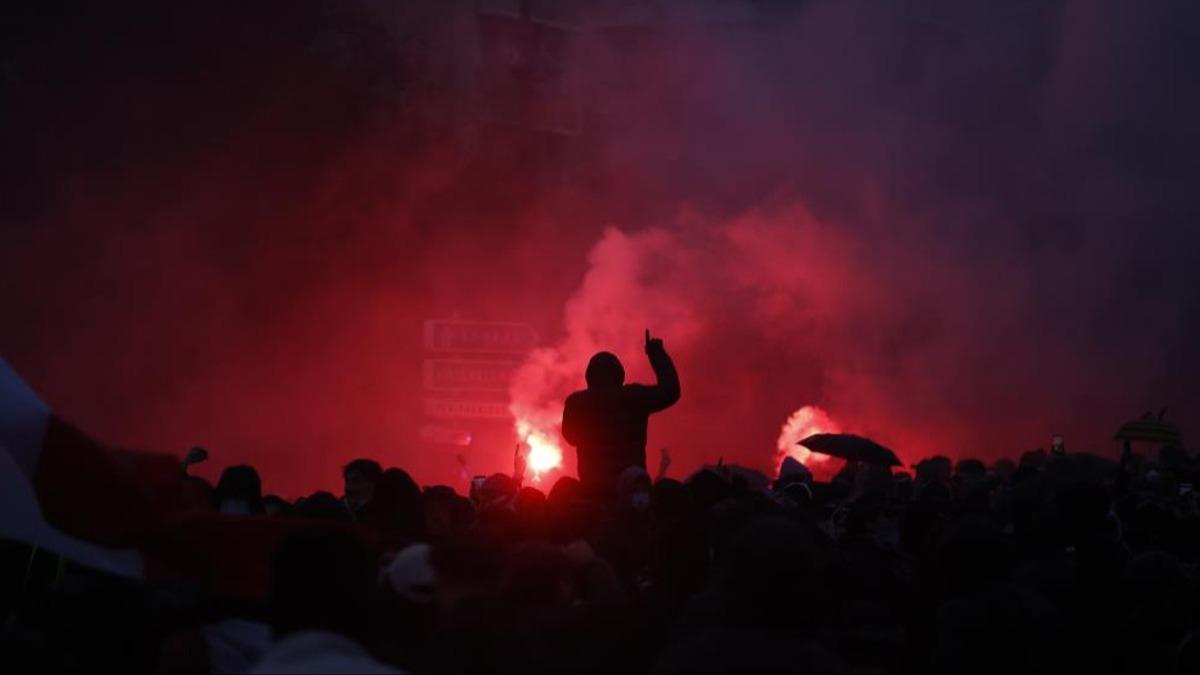
The scale of the mobilization is striking. On October 17, a national demonstration drew an estimated 550,000 people, setting a high-water mark for public dissent. Just a week later, on October 24, the country saw another surge: 410,000 participants took to the streets nationwide, with 110,000 converging in Paris alone. These figures, while slightly lower than the earlier October 17 rally, still represent a massive expression of collective unease. In the capital, authorities recorded 500 separate clashes, and across the country more than 1,000 arrests were made, a number the Interior Minister warned could rise further.
In response, the French government bolstered its security posture dramatically. Seventy thousand police officers and gendarmes were deployed across the nation, a deployment comparable in size to the entire protest crowd in Paris. The Interior Ministry announced that law‑enforcement units were equipped with “bullets, tear gas, flares, knives, and irises,” underscoring a readiness to confront what officials described as “extreme left groups” whose tactics they deemed increasingly violent.
Authorities altered the traditional march route, a decision meant to disperse crowds and reduce the likelihood of blockades that could cripple traffic and commerce.
Paris, long the symbolic heart of French protest, saw its streets physically reshaped to manage the unrest. Authorities altered the traditional march route, a decision meant to disperse crowds and reduce the likelihood of blockades that could cripple traffic and commerce. The route change, implemented on the same day as the massive October 24 demonstrations, was accompanied by heightened police presence at key intersections, turning the city into a tightly monitored arena where every step of the protest was anticipated and, in many cases, redirected.
Amid the turbulence, the Interior Minister’s statements offered a stark glimpse into the government’s mindset. “We are prepared for the protests, and we have weapons and dangerous equipment, including bullets, tear gas, flares, knives, and irises,” the minister declared, signaling a no‑compromise stance. Later, Laurent Nuñez, a senior official, warned, “The number of arrests will likely increase,” a foreboding reminder that the state was bracing for an escalation in both protest size and police response.
The unrest was not confined to French borders. On October 24, demonstrators gathered in Milan, echoing the grievances that had ignited French streets. While the Italian protests were smaller in scale, their timing and rhetoric aligned closely with the French movement, suggesting a broader European undercurrent of dissatisfaction with economic pressures and public services. French activists, including members of the Yellow Vests—a movement that first surged in 2018—participated in these transnational rallies, linking domestic discontent to a continental narrative of rising inequality.
Beyond the headline numbers, the protests have left tangible scars. In Toulouse and Clermont‑Ferrand, two individuals suffered serious injuries during clashes with police. While the exact circumstances remain under investigation, the incidents highlight the physical toll of confrontations that have become increasingly fraught. Moreover, the sheer volume of arrests—over 1,000 on a single day—has placed a strain on the judicial system and raised concerns among civil‑society groups about due process and the right to peaceful assembly.
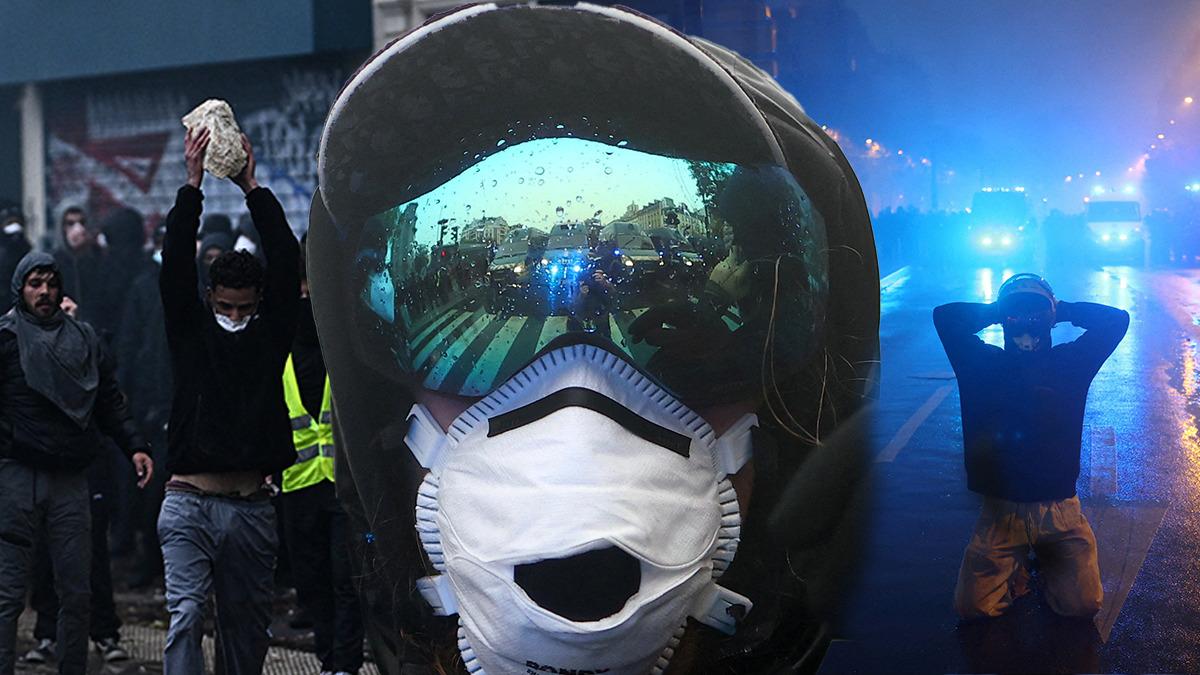
As the dust settles on the October 24 wave, France remains a nation on edge. The government’s heightened security measures, the rerouted marches, and the looming threat of further arrests suggest that the state is prepared for continued unrest. Meanwhile, unions and civil‑society movements continue to rally support, framing the protests not merely as a reaction to price hikes but as a broader call for systemic change in education and social policy. The next chapters of this saga will likely be written in the streets of Paris and the plazas of Milan, where citizens are still testing the limits of tolerance, both theirs and the state’s.