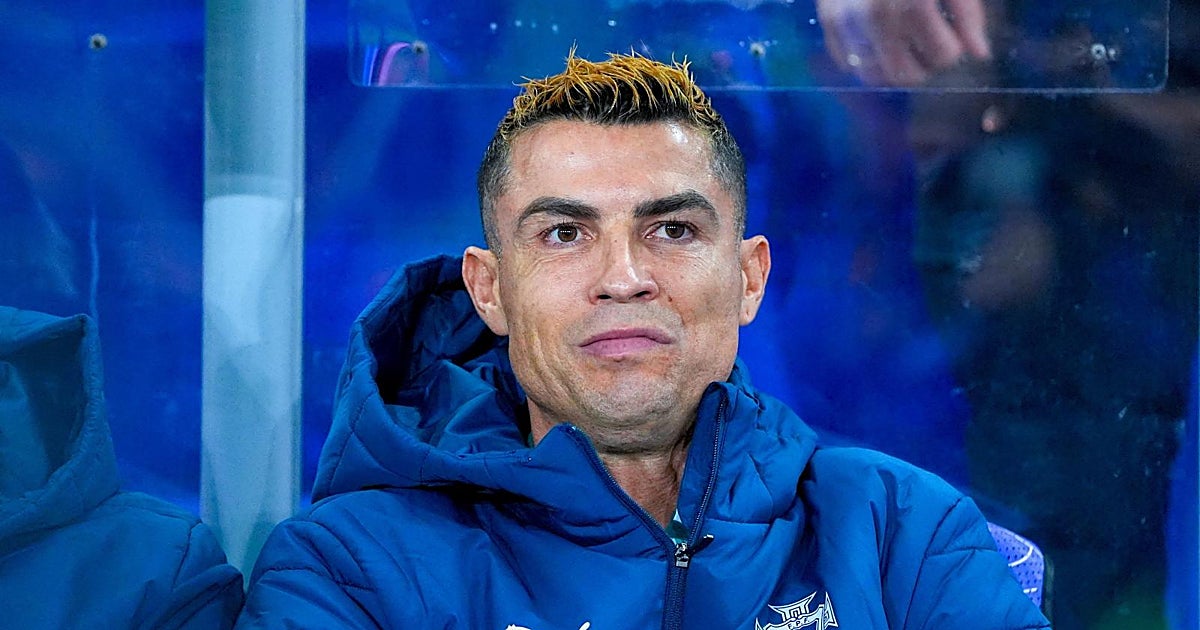
In a recent development, the Portuguese Football Federation (FPF) issued a decision that would quickly become a talking point in the world of football. Cristiano Ronaldo, the superstar, had left the Portugal national team during a training session, sparking a controversy that would reverberate through the sport.
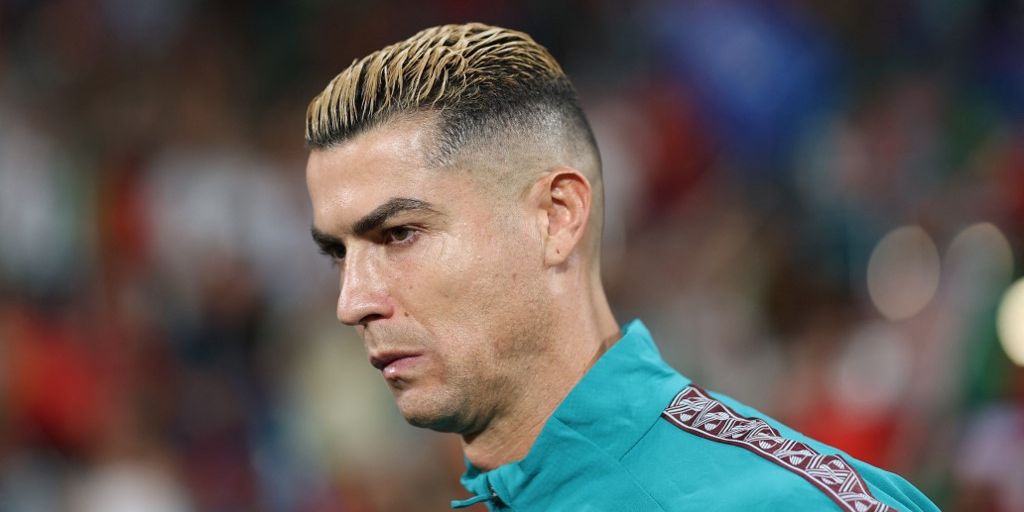
Ronaldo, known as a five-time Ballon d'or winner, had been in the spotlight for his actions. The incident occurred during a training session, where he walked out during a conflict with the coach. The FPF, in response, decided to impose a 30-day suspension and a £215 fine.
The fine, while significant in monetary terms, pales in comparison to Ronaldo's daily earnings. According to reports, Ronaldo's daily salary from his contract with Al Nassr amounts to £488,000. This means that the £215 fine would take him just 38 seconds to recoup, making the punishment almost trivial.
Despite the suspension, Ronaldo remains eligible to play in the upcoming match against Denmark and upcoming matches in the Liga de Naciones.
In a statement, the FPF president, Pedro Proença, defended Ronaldo's return, considering him a key player for the team's success. This defense was met with mixed reactions, with some supporters and critics questioning the leniency of the punishment.

🚨 Cristiano Ronaldo has learned his final punishment from the Portuguese Football Federation, receiving a 30-day suspension and a £215 fine for leaving Portugal’s national team camp in Denmark. #GTVSports https://t.co/C9ViLNKIIi
Despite the suspension, Ronaldo remains eligible to play in the upcoming match against Denmark and upcoming matches in the Liga de Naciones. This decision by the FPF highlights the complexities of managing superstar athletes, especially when their presence is crucial for the team's success. The FPF's decision to allow Ronaldo to play suggests a balance between enforcing discipline and maintaining team morale.
The 30-day suspension and the £215 fine are seen as a symbolic punishment rather than a serious disciplinary action. This approach has been adopted by the FPF to maintain a delicate balance between enforcing rules and respecting the status of its top players. The FPF president, Pedro Proença, has defended Ronaldo's return, emphasizing his importance to the team's success after Ronaldo apologized to the supporters and teammates.

Cristiano Ronaldo has been handed a 30-day suspension for leaving the Portuguese national team camp during the UEFA Nations League, the country's football federation said The player left the Portugal camp on September 30, before accusing coach Jorge Jesus of breaking his word about giving him game time Ronaldo apologised to supporters earlier this month, adding he would accept any punishment that was imposed
The incident at the Portugal national team training session is part of a larger conversation about the treatment of superstar athletes in sports governance. As top players like Ronaldo command substantial salaries and have significant influence, their actions can have far-reaching consequences. The FPF's decision to impose such a minor punishment raises questions about the effectiveness of disciplinary measures and the balance between player welfare and team discipline.

The 30-day suspension and the £215 fine imposed on Cristiano Ronaldo by the Portuguese Football Federation have sparked a debate about accountability and the treatment of superstar athletes. While the punishment may be seen as minor, it highlights the complexities of managing top players in professional sports. As the controversy continues, the FPF and other governing bodies will be closely watched to see how they handle similar situations in the future.