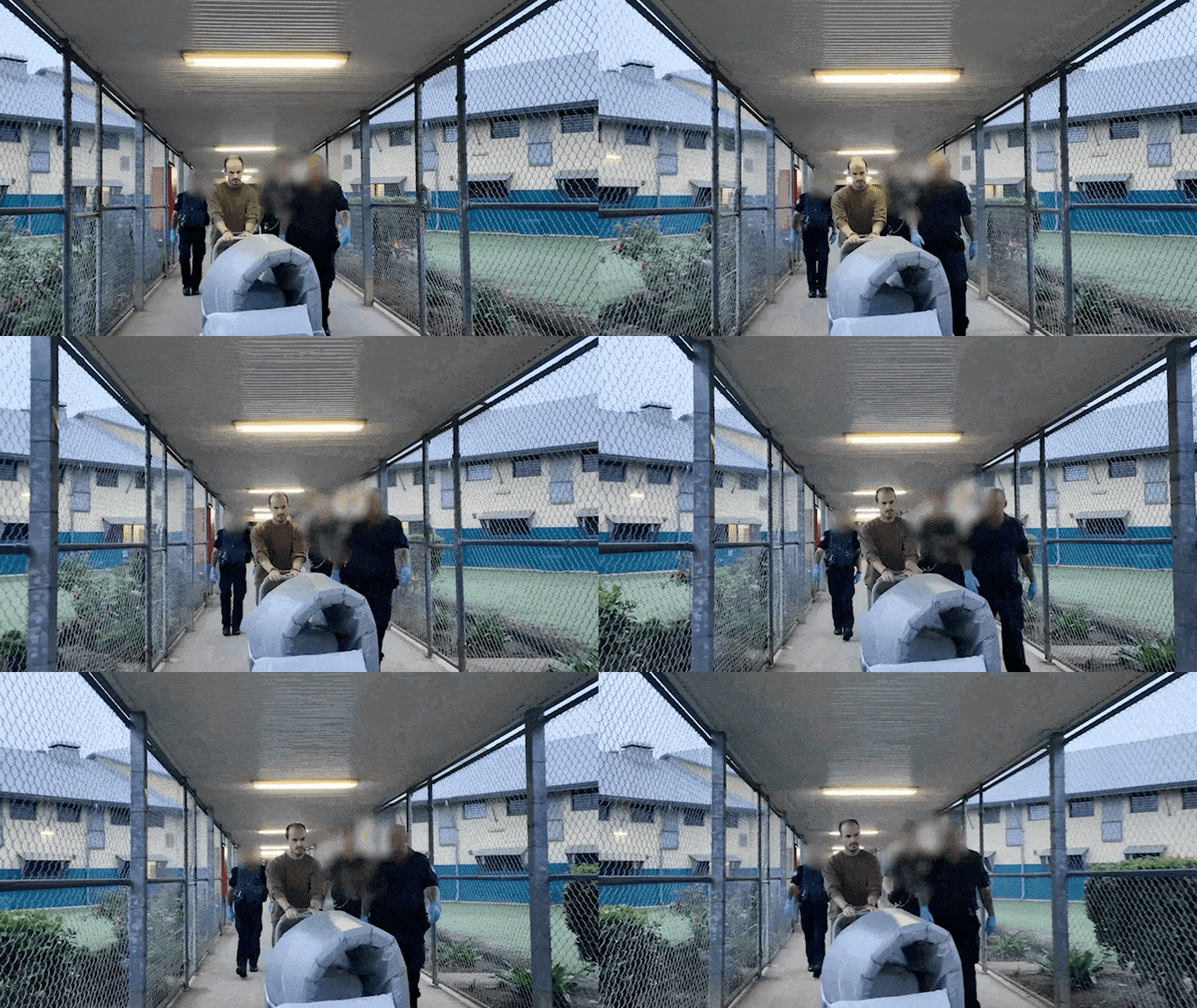
The journey began on October 28, 2026, not with a crime, but with a transfer. Ashley Paul Griffith, already serving a life sentence, was extradited from Queensland to New South Wales. It wasn’t a release, or a change of prison – it was the beginning of a new legal chapter. Griffith, described as a notorious paedophile, was moved to face 202 further charges. The extradition itself was authorized by a court in Brisbane, signaling the seriousness with which New South Wales authorities viewed the allegations. Queensland Corrective Services oversaw the transfer, ensuring the process adhered to legal protocols.
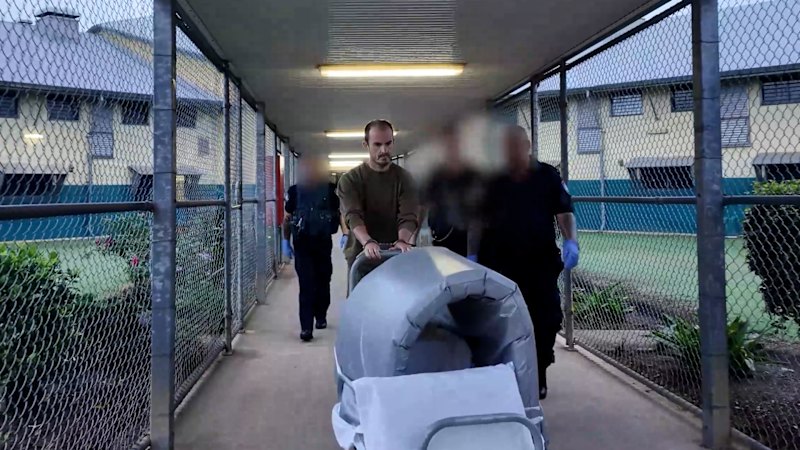
This extradition wasn’t an isolated event. Griffith’s name became synonymous with horrific crimes years earlier, when he was initially sentenced to life imprisonment. That sentence stemmed from 307 separate child sexual offences. The severity of these crimes warranted a non-parole period of 27 years, meaning he would be ineligible for release for nearly three decades. A life sentence, in this context, signifies the gravity of the offenses and the perceived danger Griffith posed. It’s important to understand this existing conviction as the backdrop against which the new charges are being brought forward – a history of abuse that now extends across state lines.
The news of Griffith’s extradition and the impending charges resonated deeply with those affected by his crimes. Laura Gerber, a victim advocate, publicly directed a pointed message towards Griffith. “I hope you hit every pothole on the way,” she stated. This raw expression of anger and a desire for discomfort speaks to the lasting trauma inflicted by Griffith’s actions. It’s a visceral reaction to the idea that he is being moved, not to freedom, but to face further accountability. Such statements, while intensely personal, underscore the emotional toll these cases take on survivors and their families.
Such statements, while intensely personal, underscore the emotional toll these cases take on survivors and their families.
While the extradition marks a significant step, the legal process is far from over. Griffith is now in the custody of New South Wales authorities and will be formally charged with the 202 offences. The next phase will involve pre-trial proceedings, including evidence gathering and potential legal challenges. Given the complexity of the case and the number of charges, a trial is likely to be lengthy and emotionally draining for all involved. It's important to remember that, at this stage, these are allegations, and Griffith is presumed innocent until proven guilty in a court of law.
As of late 2026, Ashley Paul Griffith remains in custody in New South Wales. He is awaiting trial on 202 charges related to child sex offences. The case serves as a stark reminder of the long-lasting impact of sexual abuse and the ongoing efforts to bring perpetrators to justice, even years after initial convictions. The investigation, led by the New South Wales Police child abuse squad, continues to unfold, promising a difficult but necessary reckoning with the past.