
As a senior leader of the Samajwadi Party, his name is synonymous with the party’s grassroots outreach in the state’s heartland. For newcomers, the Samajwadi Party is a regional force that rose to prominence on a platform of social justice and secularism, often positioning itself against the dominant national parties.
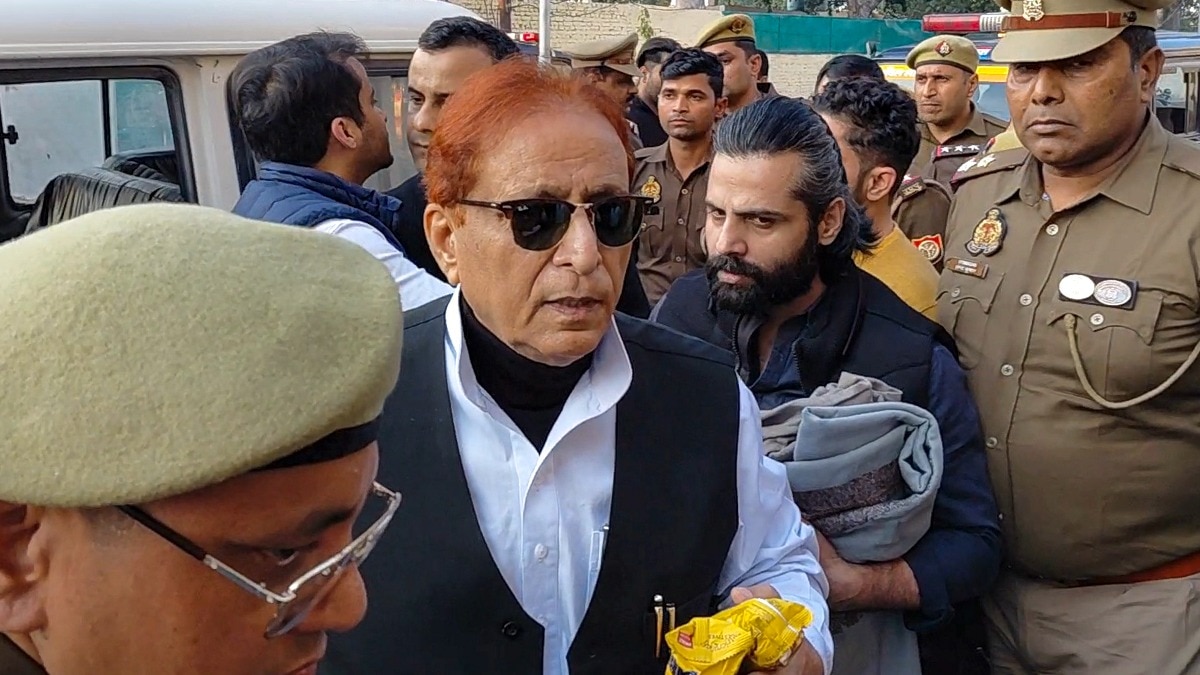
On the day of his release, the Allahabad High Court granted Khan bail in a case that had been framed as a ‘Dual PAN Card’ controversy. A PAN (Permanent Account Number) is the tax identifier used across India, and allegations of holding two such numbers can trigger accusations of financial impropriety. The court’s decision allowed Khan to walk out of the Rampur jail, a modest detention facility in his home district, under the watchful eyes of supporters and journalists alike.
The moment of release, however, proved fleeting. Within minutes of stepping onto the pavement, Khan was approached by officials of the Enforcement Directorate (ED), the federal agency tasked with investigating economic crimes, including money laundering. The rapidity of the encounter left onlookers stunned: a man who had just reclaimed his liberty was immediately placed under a new set of restraints.
Being ‘booked’ under the PMLA means that a formal case file has been opened, detailing the alleged financial transactions and the parties involved.

#WATCH | Uttar Pradesh | SP leader Azam Khan released from Rampur jail. After his release, an ED team has reportedly taken him into custody in connection with a case registered with the agency The Allahabad High Court has granted relief to former Cabinet Minister Mohammad Azam Khan and his son, former MLA Abdullah Azam Khan, in the two PAN card case. The Court had previously reserved its order after hearing applications seeking a stay on their conviction, suspension of their sentences, and the grant of interim bail.
The ED’s mandate, established under the Prevention of Money Laundering Act (PMLA), is to trace and disrupt the flow of illicit funds that may be linked to corruption, terrorism, or organized crime. When the agency detains an individual, it typically does so on the basis of a ‘first information report’ that alleges a violation of the PMLA. In Khan’s case, the ED announced that it would seek his remand before a special court in Ghaziabad, a city that hosts a number of fast‑track courts designed to handle complex financial cases.
Remand, in the Indian legal context, means that the accused will be kept in custody while the investigation proceeds, allowing investigators to interrogate the suspect and gather further evidence. The decision to move Khan from a local jail to the ED’s custody underscores the seriousness with which the agency views the alleged offenses. It also signals a procedural shift: while bail had temporarily freed him from the criminal justice system, the ED’s action re‑engaged him under a separate legal framework.
The core of the new charge is money laundering, a crime defined under the PMLA as the process of converting proceeds of crime into ostensibly legitimate assets. The ED has the power to investigate and prosecute individuals suspected of money laundering. Being ‘booked’ under the PMLA means that a formal case file has been opened, detailing the alleged financial transactions and the parties involved.
For a public figure like Khan, the implications are significant. The accusation of laundering money can erode public trust, especially in a region where voters are sensitive to allegations of corruption. The ED’s move to produce Khan before a special court in Ghaziabad indicates that the agency intends to keep the case on a fast‑track docket, minimizing delays that often plague the Indian judicial system.
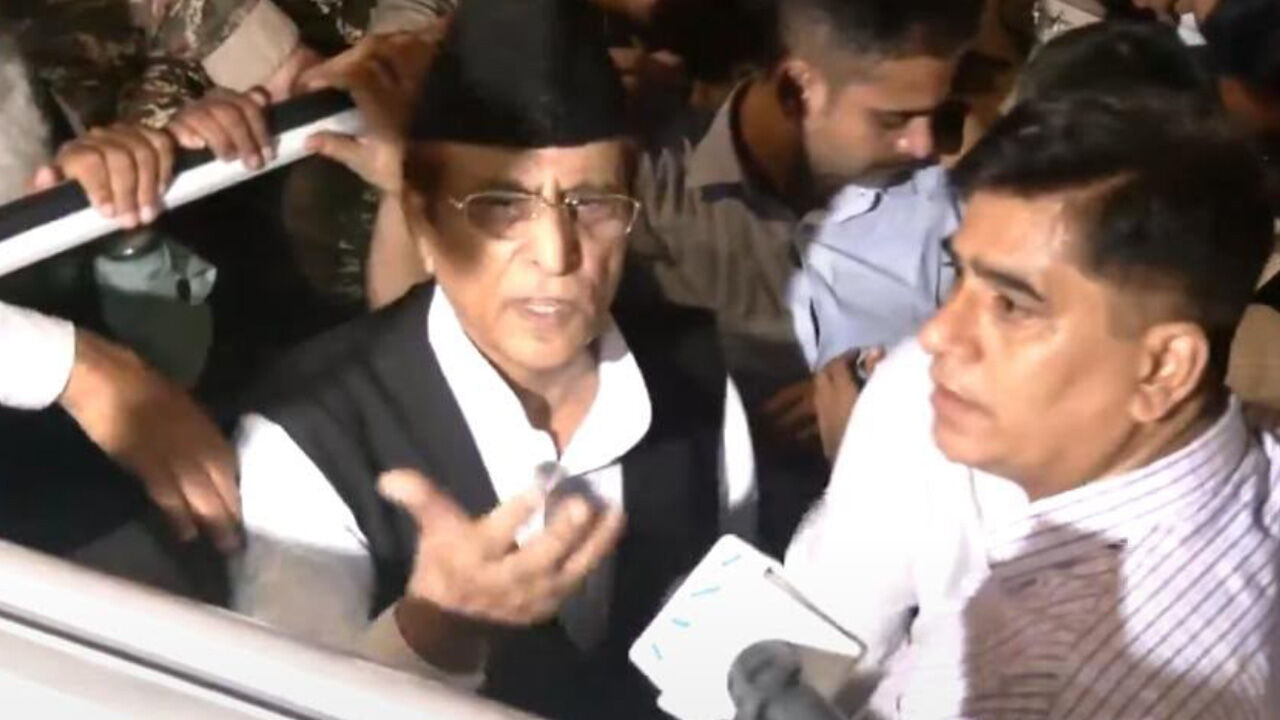

🚨 BIG BREAKING Samajwadi Party leader Azam Khan has been taken into CUSTODY by the ED SHORTLY after being RELEASED from Rampur jail. 🔥 https://t.co/TIGBwmqQ1L
Adding another layer to the narrative is the involvement of Khan’s son, Abdullah Azam Khan. In 2019, Abdullah was convicted in a case involving forgery and cheating, offenses that carry their own stigma.
The intertwining of familial legal troubles is not uncommon in Indian politics, where dynastic lines often intersect with the judiciary. For observers unfamiliar with the Indian context, it is useful to note that a conviction for forgery—a deliberate falsification of documents—can be a precursor to more complex financial crimes, at least in the eyes of investigators. Whether the ED’s case will directly implicate Abdullah remains to be seen, but the historical connection ensures that the spotlight remains bright on the Khan family.
In the immediate aftermath of his detention, Khan issued a terse statement that captured both his frustration and his sense of victimhood: ‘What is there left to say? What can I say? The law has ceased to exist. Is this the punishment for being a Muslim?’ The remark, delivered in a tone that blended resignation with accusation, raises questions about the legal process and its implications for Khan and his family.

VIDEO | Rampur, Uttar Pradesh: After being released from Rampur jail, Samajwadi Party leader Azam Khan says, "What is there left to say? The rule of law has ended. This is the punishment for being a Muslim. The only mistake is that a Muslim established a university. That is the crime. A Muslim built schools for children for the welfare of society. Is that our crime?" (Full video available on PTI Videos - https://t.co/bIyFWTfmBd)