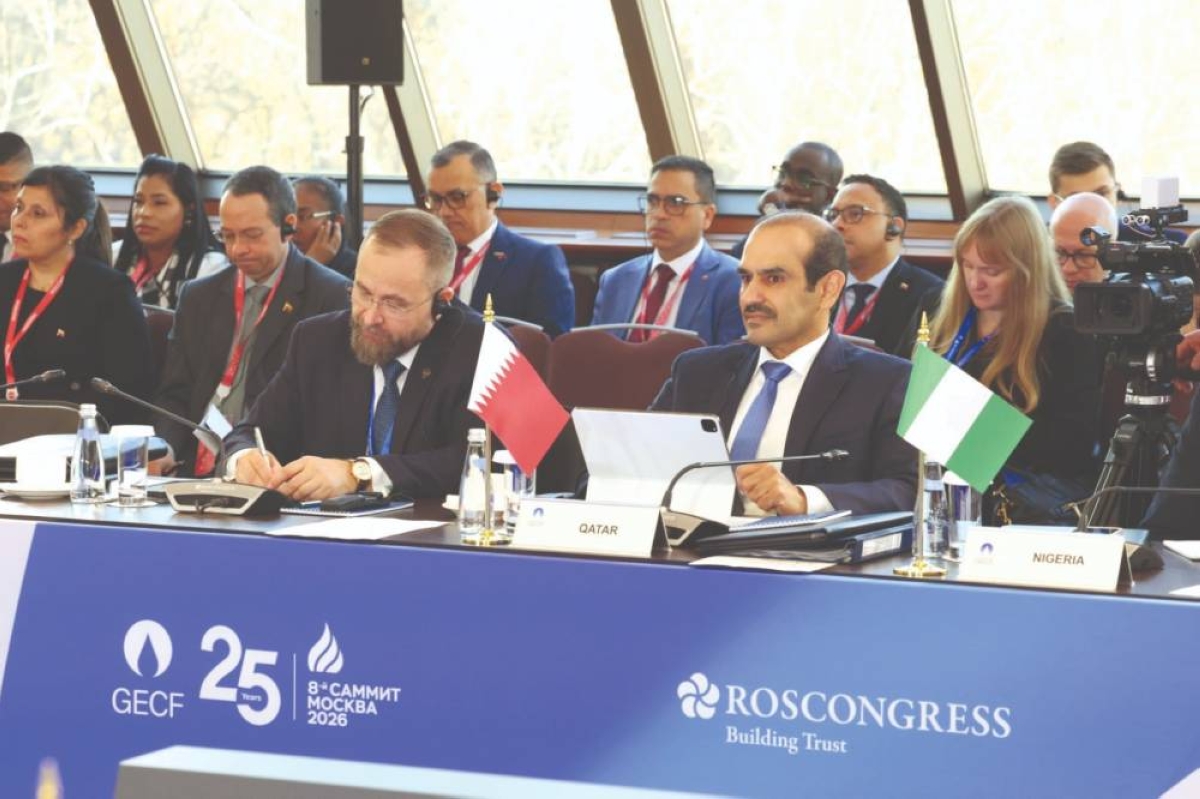
In the heart of Moscow, the 28th Ministerial Meeting of the Gas Exporting Countries Forum (GECF) convened, bringing together energy ministers from across the globe. Among the delegates was Saad Sherida Al-Kaabi, the Minister of State for Energy Affairs from Qatar. As the meeting commenced, Al-Kaabi's words echoed through the halls, addressing a pressing issue that has been at the forefront of international energy policy: the protection of energy infrastructure and shipping routes during conflicts.
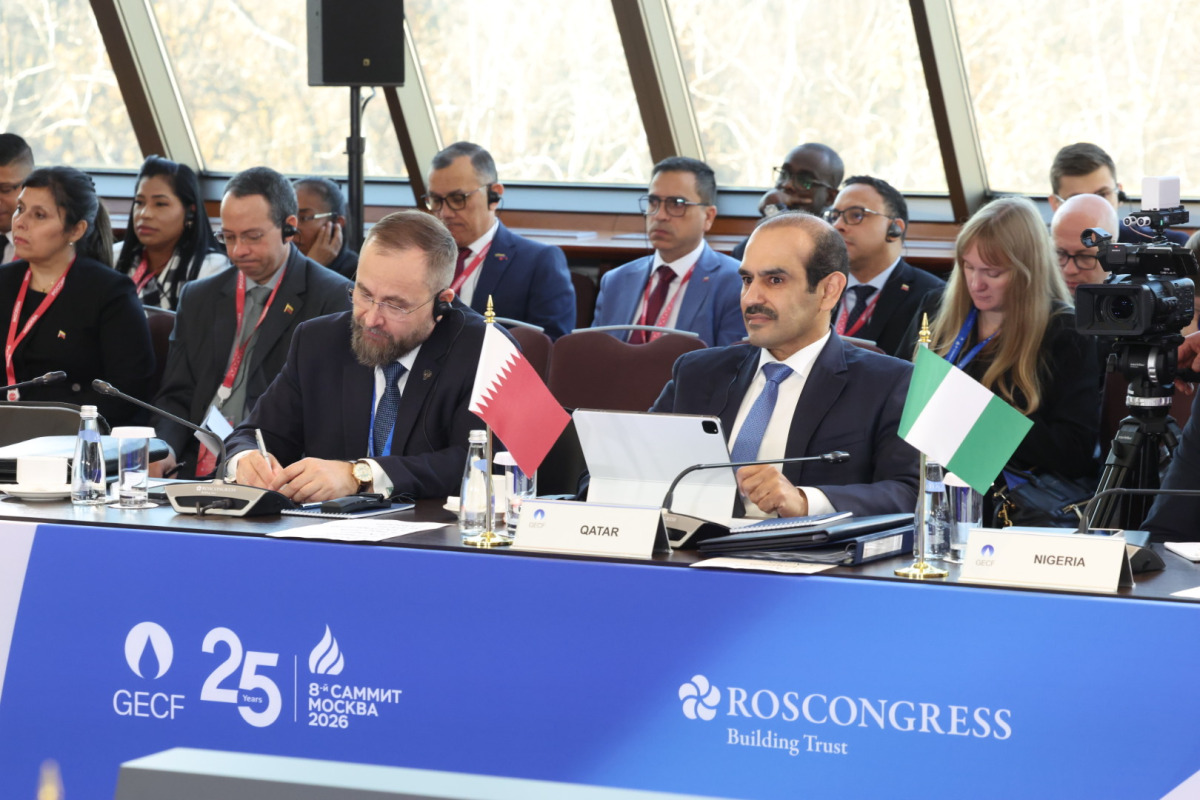
The Gulf region, a critical hub for energy production and shipping, has been a focal point of global attention due to ongoing conflicts and tensions. Attacks on energy facilities in the Gulf have not only disrupted the flow of energy but also raised concerns about the stability of global energy markets. Al-Kaabi, speaking at the GECF meeting, underscored the impact of these attacks, particularly on the Strait of Hormuz, which has been the scene of numerous incidents in recent years.
Qatar, a key player in the global energy landscape, has faced its share of challenges. Al-Kaabi highlighted the need for a collective response to the security of energy infrastructure. 'It is critical that we work together to protect energy infrastructure during times of conflict, including energy routes and maritime shipping lanes, whose disruption has far-reaching implications for global trade and energy security,' he emphasized. This statement reflects a broader recognition that the stability of energy markets is essential for economic growth and geopolitical stability.
He stressed the importance of investment and collaboration to meet the global demand for natural gas, a crucial component of the world's energy mix.
Al-Kaabi's call for cooperation in the gas value chain was a central theme of his speech. He stressed the importance of investment and collaboration to meet the global demand for natural gas, a crucial component of the world's energy mix. 'It is critical that we work together to protect energy infrastructure during times of conflict, including energy routes and maritime shipping lanes, whose disruption has far-reaching implications for global trade and energy security,' he emphasized. This statement reflects a broader understanding that the security of energy infrastructure is crucial for maintaining global energy markets and ensuring the stability of the global economy.
The GECF, established in 1994, serves as a platform for dialogue and cooperation among gas-exporting countries. At the 28th Ministerial Meeting, the forum's participants engaged in discussions aimed at addressing the challenges facing the global gas market. Al-Kaabi's speech was part of a larger effort to foster unity and collaboration among member states. The minister's call for protection of energy infrastructure and shipping routes during conflicts was met with support from other delegates, highlighting the forum's role in promoting a collective approach to energy security.
As the 28th Ministerial Meeting concluded, the discussions at the GECF forum underscored the importance of protecting energy infrastructure and shipping routes. Al-Kaabi's words resonated with the gathering, emphasizing the need for a coordinated response to the challenges posed by conflicts in the Gulf region. The minister's call for cooperation and investment in the gas value chain reflects a broader understanding that the security of energy infrastructure is crucial for maintaining global energy markets and ensuring the stability of the global economy.
The 28th Ministerial Meeting of the Gas Exporting Countries Forum in Moscow marked a significant moment in the ongoing dialogue about energy security. Saad Sherida Al-Kaabi's call for the protection of energy infrastructure and shipping routes during conflicts highlighted the critical role of cooperation in maintaining global energy markets. As the world continues to grapple with the challenges of energy security, the GECF forum remains a vital platform for dialogue and collaboration among gas-exporting countries, working together to safeguard the energy infrastructure that powers the global economy.
