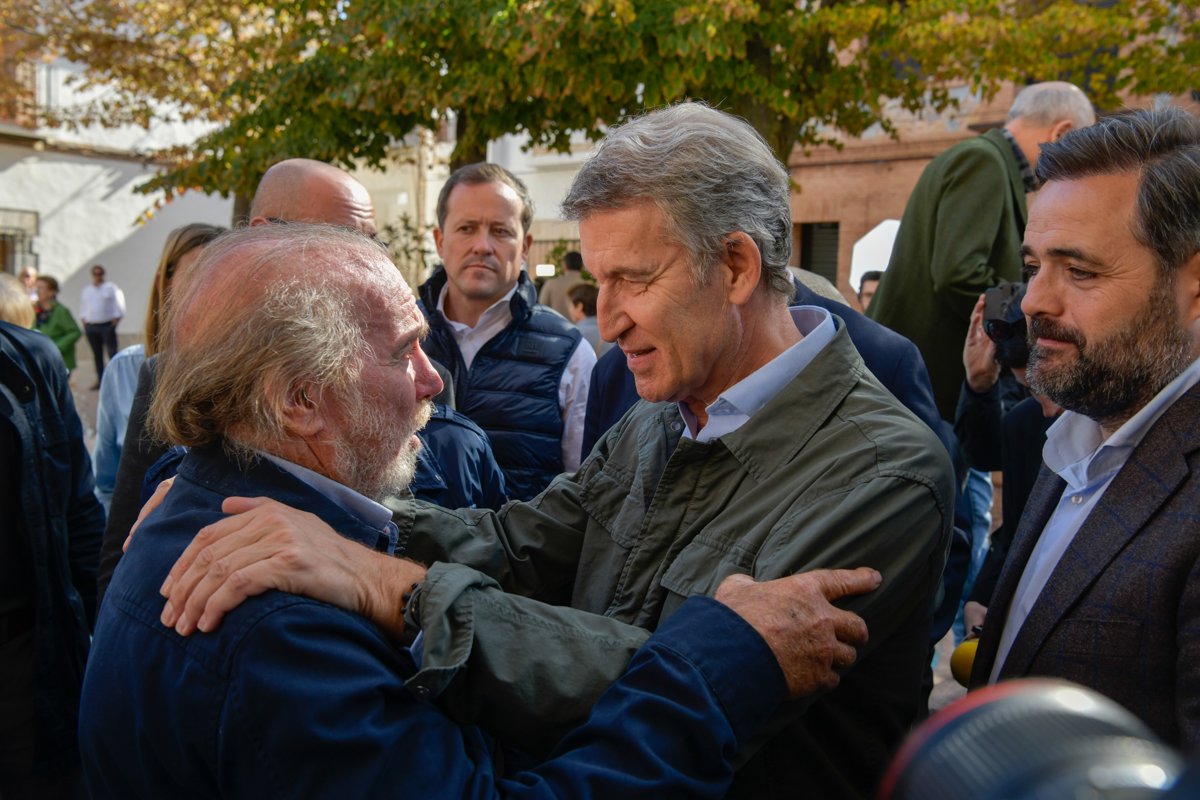
On October 29, 2026, a tragic moment in Spain's history unfolded in the small town of Urda. Two high-speed trains, AVE and Iryo, collided, resulting in 69 fatalities and 200 injured. The second accident in nine months left the nation in mourning. The impact was immediate and profound, with families and communities struggling to come to terms with the loss of loved ones. The train accident in Urda was a stark reminder of the vulnerability of Spain's rail system and the human cost of such incidents.
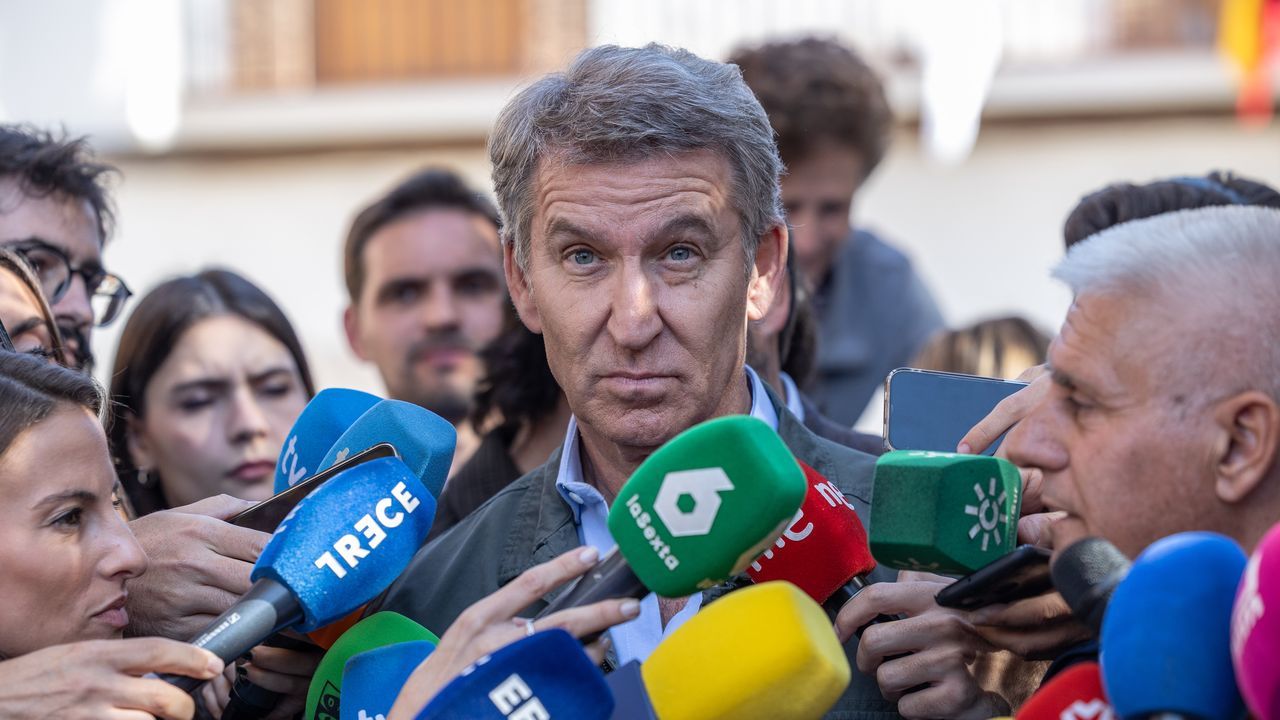
In the days following the accident, Alberto Núñez Feijóo, the leader of the Popular Party (PP), made a visit to Urda. His presence was a clear signal of the party's concern and the need for immediate action. Feijóo, known for his no-nonsense approach, emphasized the importance of political responsibility. He stated, 'Las responsidades políticas no son opcionales, son imprescindibles desde el punto de vista ético y moral.' This statement encapsulated the party's stance that political accountability is non-negotiable and essential.
Feijóo's visit to Urda was not just a gesture of sympathy. He also criticized Transport Minister Óscar Puente for his handling of the accident. In a press conference, Feijóo described Puente's attempt to blame an operator as 'una frivolidad impropia de un ministro y de un Gobierno.' This criticism was not just about the immediate aftermath but about the broader implications of the government's response. Feijóo demanded political responsibility from Puente.
The scale of the tragedy was further highlighted by the number of deaths in high-speed rail accidents.
During his visit, Feijóo also emphasized the need for 'cabeza fría' and 'respeto' during the mourning period. He stated, 'En este momento necesitamos la cabeza fría, respeto, pero también memoria.' This call for calm and respect reflected the PP's desire to ensure that the government's response was measured and thoughtful, rather than knee-jerk reactions. The party's approach was to balance the immediate need for answers with the long-term importance of remembering the victims and their families.
The criticism of Puente and the government's response did not go unnoticed. The PSOE, the main opposition party, and other government officials began to question Puente's ability to continue in his role. The opposition, including the PP and Vox, reacted differently. The PP, under Feijóo's leadership, demanded caution and a measured response. In contrast, Vox, a far-right party, was more critical of the government, particularly of Prime Minister Pedro Sánchez. This divide highlighted the growing political tensions and the differing approaches to handling the crisis.
The scale of the tragedy was further highlighted by the number of deaths in high-speed rail accidents. There were 115 deaths in high-speed rail accidents in a single year, with 46 deaths in the Adamuz accident alone. The 292 injured in the Adamuz accident underscored the severity of the incidents. These numbers were a stark reminder of the need for immediate action and the importance of political accountability.
Feijóo's demands for political responsibility extended beyond the immediate aftermath of the accidents. He emphasized that political accountability could not be delayed until after an investigation. He stated, 'Las responsabilidades políticas no se pueden esperar a una investigación, ya sea administrativa o judicial. Las responsabilidades políticas no son opcionables, son exigibles, ética y moralmente.' This statement was a clear indication that the PP would not accept any delays in addressing the issues and would hold the government accountable for its actions.
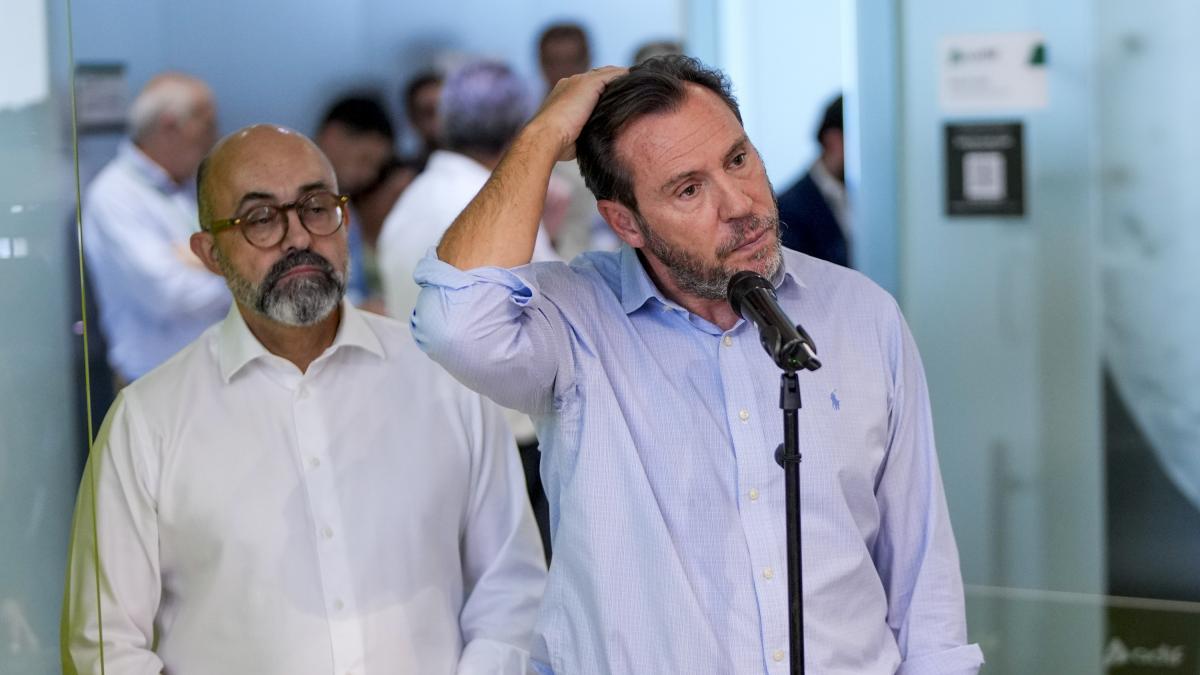
As the nation mourned the 69 victims and tended to the 200 injured, the political landscape was shifting. The PP's criticism of Puente and the government's response was a significant development. The PP's approach was to demand immediate answers and accountability, while also emphasizing the need for calm and respect. This stance was in contrast to the more critical approach of Vox, which was more focused on the government's overall handling of the crisis.
In the wake of the tragic train accidents, the nation is grappling with the need for unity and action. Feijóo's demands for political responsibility and his emphasis on the need for calm and respect during the mourning period reflect the complex political landscape in Spain. The PP's approach is to ensure that the government is held accountable while also maintaining a sense of unity and respect for the victims and their families. As the nation moves forward, the question remains: will the government respond to the calls for accountability and take the necessary steps to prevent future tragedies?