When the first frosts of 2026 began to bite, Ukrainian officials were already sounding alarms about a looming winter that could see Russian strikes on power plants, water treatment facilities, and transport hubs intensify. President Volodymyr Zelensky has repeatedly warned that without a robust air‑defense shield, critical infrastructure could be crippled, leaving civilians without heat or electricity. The urgency is palpable: every day without sufficient interceptors translates into a higher risk of blackouts, humanitarian distress, and a strategic advantage for Moscow.

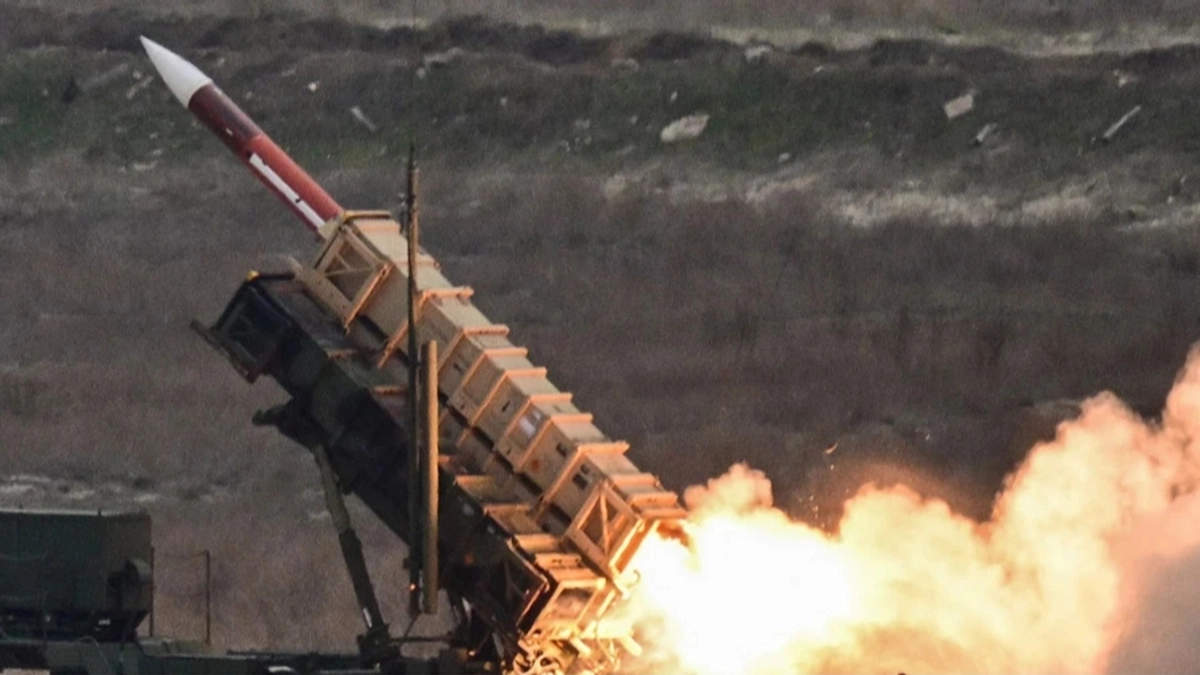
On October 31, 2026, the U.S. Department of State formally approved a potential sale of 500 PAC‑3 MSE missiles for Ukraine’s Patriot missile‑defense systems, a deal valued at $2.1 billion. The approval, reported by journalist Alex Rafaylovskyy, represents one of the most sizable arms transactions the United States has offered Kyiv since the conflict began. The PAC‑3, a high‑velocity, hit‑to‑kill interceptor, is designed to engage short‑range ballistic missiles, cruise missiles, and aircraft, making it a cornerstone of modern layered defense.

🇺🇸 The US State Department has approved a possible $2.1 billion sale of 500 Patriot PAC-3 MSE interceptor missiles to Ukraine, along with spare parts and related support.
While the headline number—500 missiles—sounds impressive, the reality of manufacturing PAC‑3 MSE interceptors is far more complex. Each missile requires a sophisticated guidance system, a high‑explosive warhead, and a propulsion unit that must meet exacting tolerances. Lockheed Martin, the primary contractor, has indicated that the production line is already operating at capacity to fulfill existing U.S. and allied contracts. Consequently, the State Department’s statement that deliveries will not start until 2030 reflects the time needed to ramp up production without compromising quality.
Analysts estimate that the stockpile would sustain Ukraine’s Patriot batteries for just over three months under current firing rates.
The delayed timeline has sparked a chorus of criticism across the political spectrum. Zelensky, addressing his American partners, said, "We ask our American partners to find a solution only when there is real danger and real need to use PAC‑3." Senator Richard Blumenthal echoed the disappointment, declaring, "I am disappointed that, according to the statement, the missiles will only be delivered to Ukraine in a few years." On the other side of the front line, Russian officials have seized on the announcement, accusing the United States of "playing with fire" and undermining any chance for peace talks. The Pentagon, meanwhile, has remained neutral, emphasizing that the sale complies with existing foreign‑military‑sales protocols.

UPDATE!! The U.S. Patriot PAC-3 announcement comes with a major caveat: these are new missiles, with deliveries not expected until after 2030, sources tell me. It does little to address Ukraine’s urgent interceptor shortage ahead of winter 1/3
Even if the full complement of 500 PAC‑3 missiles arrives on schedule, the numbers suggest a limited window of operational coverage. Analysts estimate that the stockpile would sustain Ukraine’s Patriot batteries for just over three months under current firing rates. Alex Rafayev summed up the dilemma succinctly: "This practically does not solve the acute shortage of Patriot missile interceptors in Ukraine before winter." The calculation underscores a stark reality: the approved sale, while financially significant, does not bridge the immediate gap in interceptor availability.
Recognizing the production lag, Ukrainian defense planners have been exploring alternative sources. Poland has offered its own surface‑to‑air systems, while Germany is evaluating the integration of its IRIS‑T and MEADS platforms. Japan, a long‑time supplier of advanced radar and missile technology, has expressed willingness to discuss joint development. Additionally, a multilateral European missile‑defense initiative is under discussion, aiming to pool resources and accelerate delivery of compatible interceptors. These options, however, each come with their own logistical, training, and integration challenges, and none promise the rapid infusion that the PAC‑3 delay has created.

The US approved a possible $2.1B sale of 500 Patriot PAC-3 MSE missiles to Ukraine, the State Department says. Canada, Germany and Norway will pay through JUMPSTART, plus Ukraine's EU loan funds. No US money involved. https://t.co/xLU3PcGOqx
The State Department’s October 31, 2026 approval sets a clear, albeit distant, horizon: shipments of the 500 PAC‑3 missiles will commence no earlier than 2030. In the intervening years, Ukraine’s defense strategy will hinge on short‑term procurement, improvisation, and diplomatic pressure to accelerate production. The $2.1 billion price tag reflects both the technological sophistication of the interceptors and the geopolitical weight of the transaction. As the calendar turns, Kyiv’s leaders must balance the promise of a future influx against the pressing reality of an ongoing winter campaign.