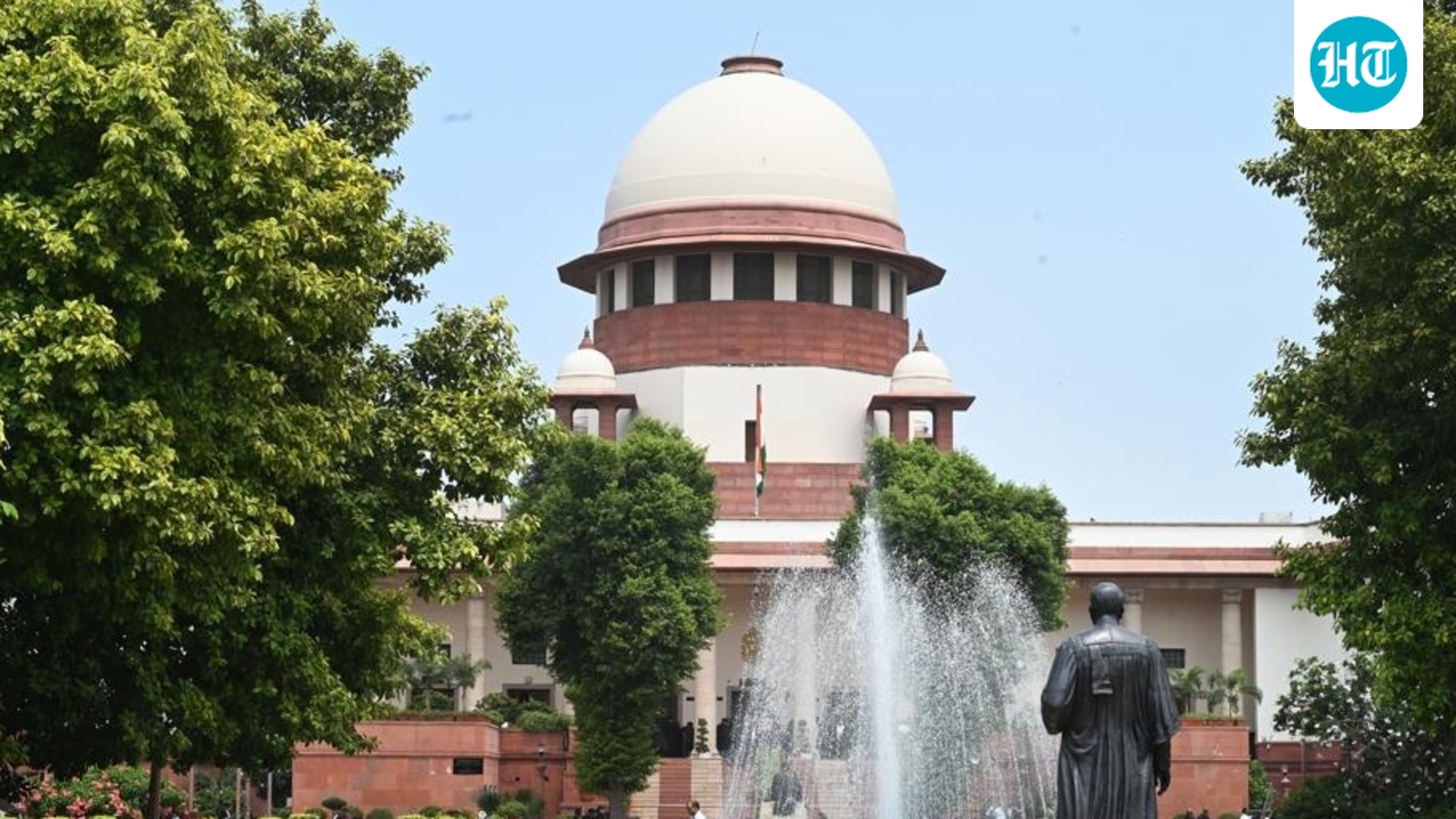
The Supreme Court of India issued a critical warning to lower courts, cautioning against dismissing rape cases under settlements between accused and complainants. The bench underscored that trials are mandatory to determine the validity of complaints, warning against coerced settlements or false accusations driven by financial motives. The court overturned a Madhya Pradesh High Court order that had quashed a rape complaint under Section 528 of the Code of Criminal Procedure, directing the trial to resume and granting anticipatory bail to the accused.

The Supreme Court emphasized that rape, a serious non-compoundable offense, cannot be resolved through private agreements. Justices J.B. Pardiwala and K. Vinod Chandran stressed that settlements in such cases may stem from coercion or fabricated claims for monetary gain, necessitating thorough judicial scrutiny. The court warned that dismissing cases based on settlements undermines due process and risks miscarrying justice.
The bench reiterated that trials are the only reliable method to distinguish genuine complaints from those influenced by external pressures. The court’s directive ensures no case is prematurely dismissed without full evidence examination, reinforcing the need for impartial judicial review in high-stakes sexual assault cases.
The bench reiterated that trials are the only reliable method to distinguish genuine complaints from those influenced by external pressures.
By setting aside the Madhya Pradesh High Court’s order, the Supreme Court reinforced that settlements alone cannot justify quashing rape case proceedings. The apex court’s stance prioritizes justice, ensuring both victims and accused receive fair treatment under the law. The accused will now face trial while awaiting anticipatory bail.