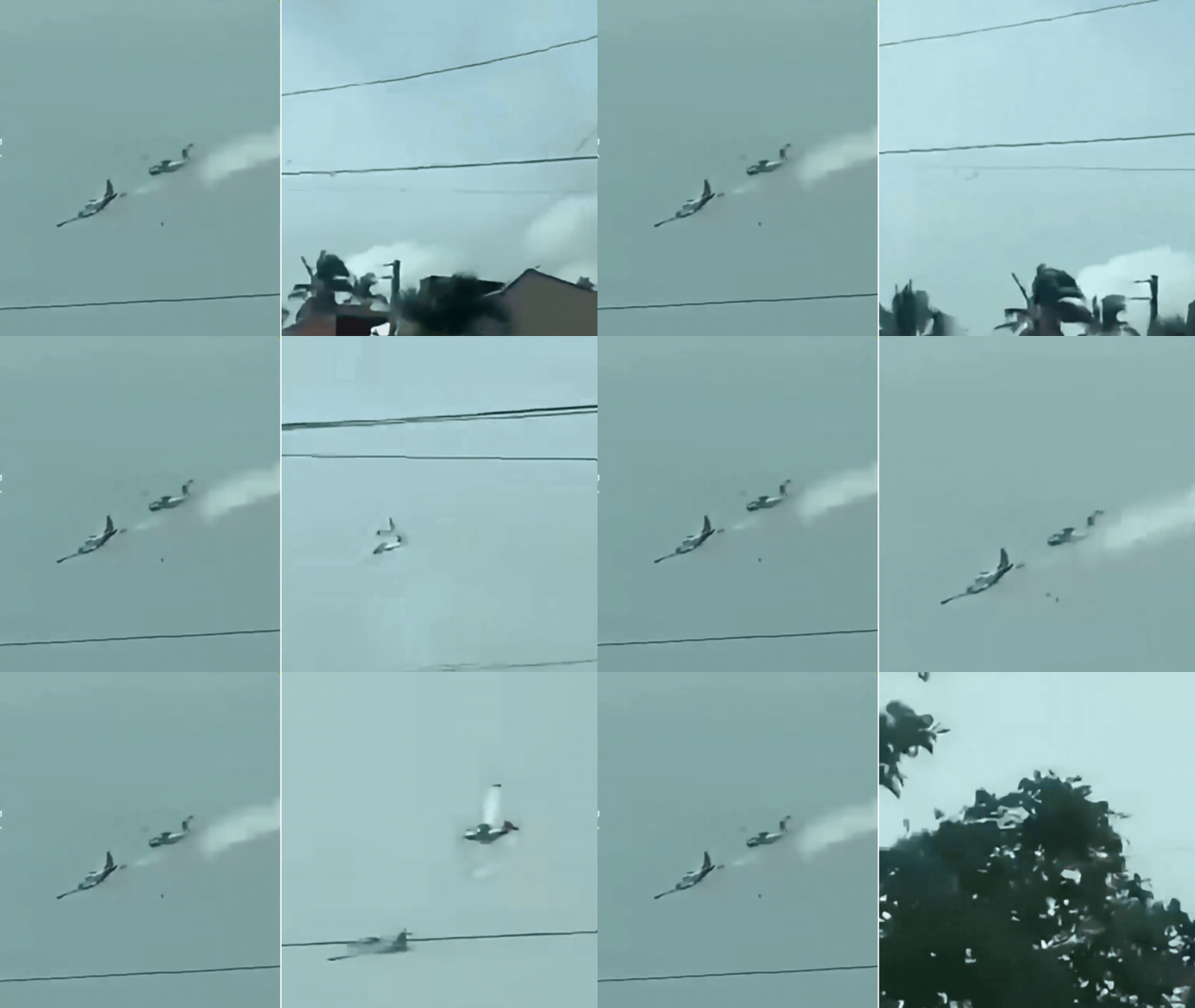
The hum of trainers is a familiar soundtrack at Fernando Air Base, a military airfield in Batangas that has long been a crucible for the Philippine Air Force’s newest pilots. On a clear day, two SF-260 aircraft—light, single-engine monoplanes used for basic flight instruction—took off together for a routine training sortie. What should have been a routine maneuver turned catastrophic when the two planes collided mid-air, sending both crews spiraling toward the ground.
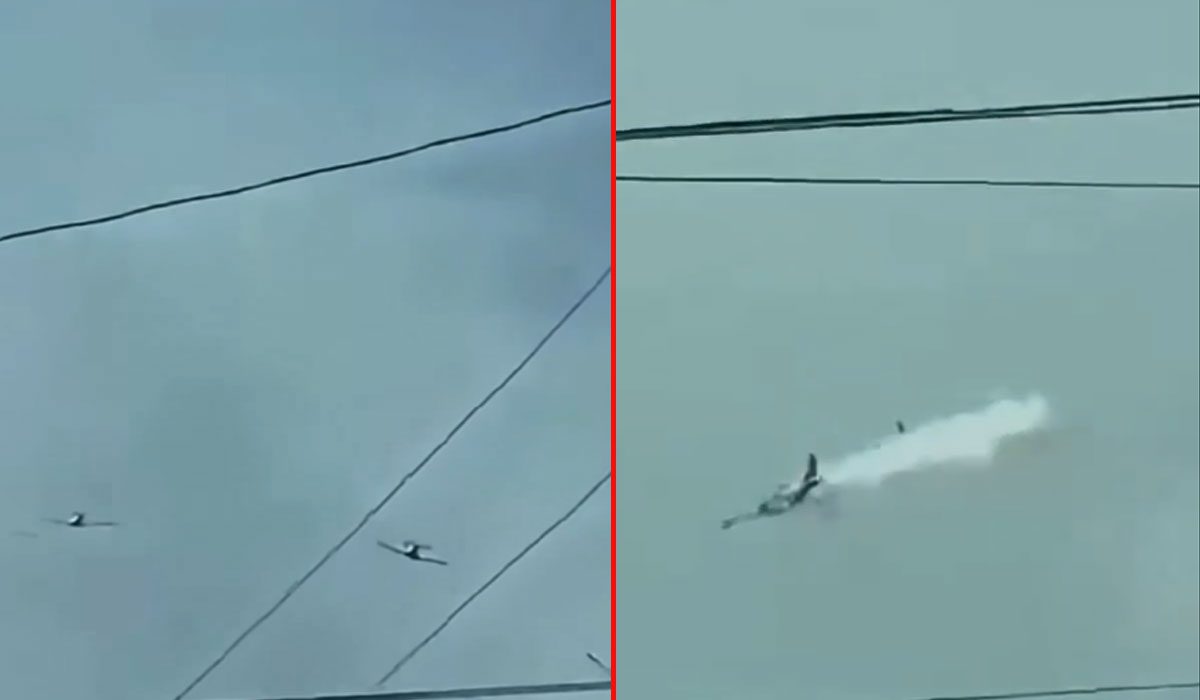
Witnesses on the tarmac reported a sudden flash followed by a thud as the two aircraft disappeared from the sky. Emergency crews scrambled, but the impact was fatal. All four pilots aboard the two trainers were killed. The loss reverberated through the base’s tight-knit community, where instructors and trainees alike share a bond forged by countless hours of flight time and shared risk.
Within hours of the crash, the Philippine Air Force issued an order grounding every SF-260 in its inventory. The decision reflects a precautionary stance while investigators piece together the sequence of events that led to the mid-air collision. The grounding applies to the entire fleet of SF-260 military aircraft, halting all training flights that rely on the aging yet widely used trainer.
An official inquiry has been opened to determine the cause of the collision.
This accident marks the third fatal incident involving the SF-260 in recent years. Previous incidents in 2023 and 2026 added to the tally, underscoring a troubling pattern. Each incident has claimed lives and prompted temporary suspensions, but the latest tragedy has forced a more sweeping response: a full fleet grounding.
The SF-260, a light aircraft originally designed for aerobatic training, has been a mainstay of the Philippine Air Force’s pilot pipeline. Its simplicity and low operating cost have made it a practical choice for a force constrained by budgetary limits. Yet the repeated accidents have raised questions about the aircraft’s suitability for modern training demands and the adequacy of maintenance regimes under fiscal pressure.
The Philippine military has been wrestling with limited resources, a reality that complicates efforts to replace aging platforms. Modernizing the fleet requires significant capital outlays, and the Air Force’s budget constraints have slowed the procurement of newer trainers. The grounding of the SF-260 fleet, while necessary for safety, further strains training schedules and could delay the graduation of new pilots at a time when the service seeks to bolster its operational readiness.
An official inquiry has been opened to determine the cause of the collision. While the exact findings remain pending, investigators will examine flight logs, maintenance records, and pilot training protocols. The goal is to uncover whether human error, mechanical failure, or a combination of factors precipitated the tragedy. The outcome will shape future safety measures and could influence decisions about the fleet’s eventual replacement.

Beyond the statistics—four pilots dead, an entire fleet grounded—lies a profound human toll. Families of the fallen receive condolences from a nation that watches its armed forces with respect and concern. The Air Force’s swift grounding order signals an institutional acknowledgment of the gravity of the situation and a commitment to preventing further loss.
As the investigation proceeds, the Philippine Air Force faces a crossroads. The immediate priority is to honor the memory of the four pilots by ensuring that no further lives are jeopardized. In the longer term, the service must confront the challenge of modernizing its training fleet amid fiscal constraints. Whether the SF-260 will return to the skies or be retired in favor of newer aircraft remains an open question, one that will be answered only after a thorough assessment of safety, cost, and operational needs.
The tragedy at Fernando Air Base is a stark reminder that even routine training missions carry inherent risks. It also underscores the delicate balance between maintaining a capable air force and navigating the financial realities that shape defense procurement. As the Philippines mourns its lost aviators, the path forward will be defined by the lessons learned from this and previous accidents, shaping the future of pilot training in the archipelago.