
When the first post‑2011 census rolls out on Jan. 25, 2027, it will mark the end of the longest inter‑census interval in modern Indian history. The last full count took place in 2011, and a planned 2021 exercise was shelved when COVID‑19 upended field operations. Now, with the dates officially set, the nation steps back into a statistical ritual that underpins everything from parliamentary seat allocation to the distribution of central funds.
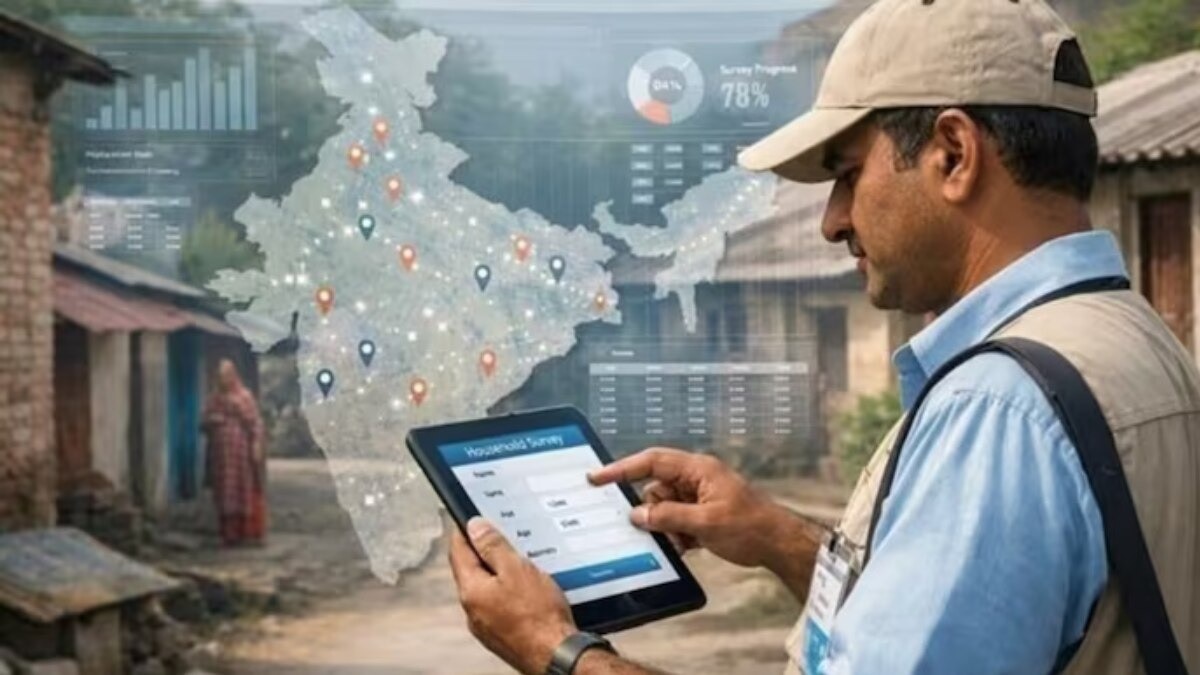
The announcement did not emerge in a vacuum. Earlier groundwork—field‑ready questionnaires, enumerator training modules, and digital data pipelines—had already been completed before the pandemic struck. Those preparations were slated to transition into fieldwork in April 2020, a schedule that the health crisis forced into a holding pattern. While the 2021 census never materialized, the infrastructure built for it became the foundation for the 2027 effort. In other words, the same logistical skeleton that was meant to support a 2021 count now undergirds the 2027 operation.
The government has outlined a two‑phase approach for the upcoming count. The primary enumeration will run from Jan. 25 to Feb. 28, 2027. Certain pockets—areas slated for elections during the window and snow‑prone districts—will be exempted from the main sweep. Those exclusions are not new; they echo the practice of carving out regions where logistical challenges or civic events would jeopardize data quality.
By fixing the schedule now, the government signals a return to the routine that informs budgetary decisions and electoral delimitation.
After the main enumeration closes, a brief "revision round" will take place from Mar. 1 to Mar. 5, 2027. This five‑day window allows enumerators to revisit households where information was incomplete or ambiguous, ensuring that the final dataset reflects the most accurate picture possible.
Census data in India does more than tally heads; it redraws the political map. Parliamentary constituencies are apportioned based on population, and the allocation of central assistance to states hinges on demographic indicators. By fixing the schedule now, the government signals a return to the routine that informs budgetary decisions and electoral delimitation. Moreover, the explicit mention of exclusions for election periods underscores a long‑standing tension between demographic accounting and the electoral calendar.
India’s topography includes some of the world’s most challenging terrain. Snow‑prone areas will be left out of the primary enumeration window. Historically, these regions have been counted in separate, often delayed, operations because harsh weather can render standard fieldwork impossible. By acknowledging these zones up front, the census authority signals both an awareness of practical constraints and a commitment to eventually integrate those populations into the national ledger.
The COVID‑19 pandemic forced the 2021 census into indefinite suspension, a decision that rippled through planning cycles, budget allocations, and academic research. The 2027 timeline, therefore, carries the weight of a decade‑long data vacuum. Researchers, policymakers, and civil society groups have been operating on projections and sample surveys for years. The resumption of a full count promises to refresh a statistical backbone that has been frayed by the pandemic’s disruption.
With the enumeration window closing at the end of February, the nation will shift its focus to data processing, validation, and publication. For a country that last saw a complete demographic snapshot in 2011, the 2027 census will be a watershed moment—a chance to recalibrate development goals, reassess representation, and, perhaps most importantly, re‑anchor the nation’s statistical compass after a pandemic‑induced detour.
At its core, a census is a mirror held up to a society, reflecting its size, composition, and distribution. The announcement of the 2027 dates is more than an administrative footnote; it is a declaration that India is ready to look at itself again, in full, after ten years of waiting. The dates—Jan. 25 to Feb. 28, 2027—are now set, the revision round is penciled in, and the exclusions are spelled out. All that remains is for enumerators to take to the streets, for households to answer the call, and for the data to flow back to the halls where it will shape the next decade of governance.