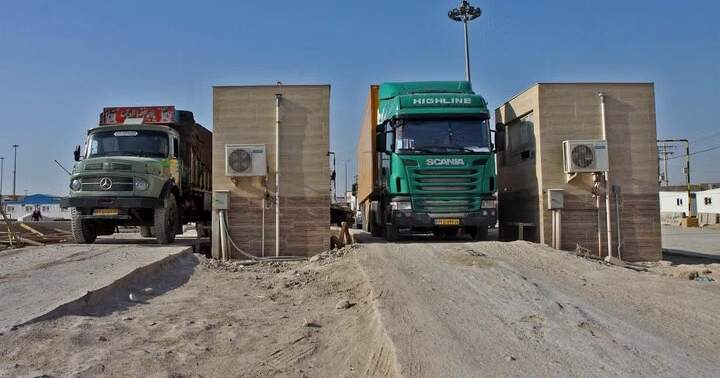
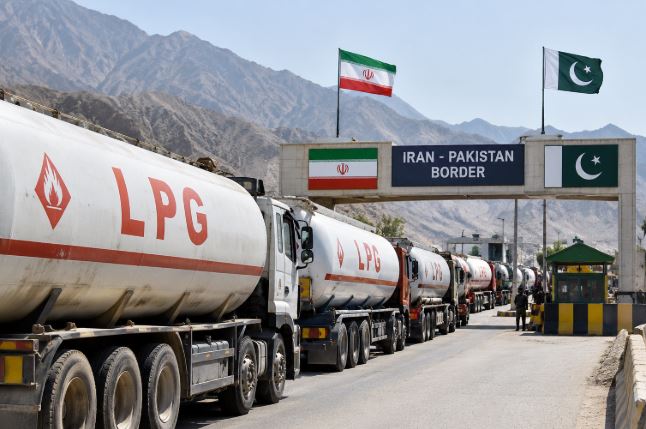
In the shadow of geopolitical tensions across the Middle East, a quieter but critical trade dispute has emerged between Iran and Pakistan. Hundreds of trucks carrying liquefied petroleum gas (LPG) remain stranded at the Rind Dadu border, caught in bureaucratic limbo that threatens energy supplies and regional economic stability. The situation has drawn attention from Iranian officials who are working to clarify their position amid growing concerns about potential trade restrictions.
Raza Amirimoghaddam, Iran's ambassador to Islamabad, has moved to address the mounting concerns. In a clear statement aimed at reassuring Pakistani authorities and businesses, he emphasized that Tehran maintains an open border policy with its neighbor. "There are no export restrictions on goods, including gas, to Pakistan," Amirimoghaddam stated firmly. "The border between Iran and neighboring countries is open." This direct response comes as reports suggested possible border closures that could have disrupted the flow of essential goods between the two nations.
While the diplomatic statements continue, the human impact of the border delays becomes increasingly apparent. The stranded LPG trucks represent more than just commercial goods; they symbolize the livelihoods of drivers and the energy needs of communities awaiting their delivery. Each day of delay compounds the economic strain on those involved in the supply chain, creating a ripple effect that touches multiple sectors of the Pakistani economy.
The situation highlights the delicate balance between regulatory oversight and maintaining smooth trade operations between neighboring countries.
Despite the political reassurances, practical challenges persist in the Iran-Pakistan trade relationship. Iranian officials acknowledge that changes in Pakistan's import procedures have created obstacles for cross-border commerce. These procedural adjustments, while potentially intended to improve security and efficiency, have inadvertently created bottlenecks that now require diplomatic intervention to resolve. The situation highlights the delicate balance between regulatory oversight and maintaining smooth trade operations between neighboring countries.
Behind the scenes, diplomatic channels remain active as Iranian and Pakistani officials work to address the specific issues affecting LPG shipments. Discussions focus on streamlining procedures and establishing clearer protocols that can facilitate smoother trade while maintaining necessary safeguards. Both countries recognize the importance of their economic relationship and are committed to finding solutions that benefit their mutual interests.
The Iran-Pakistan trade dispute occurs against a backdrop of heightened tensions across the Middle East. On the same day that Iranian officials were addressing border concerns with Pakistan, Saudi Arabia's Civil Defense issued emergency warnings for several cities following reported missile attacks on Riyadh and Khamis Mushait. These attacks, part of a broader pattern of regional instability, underscore the complex geopolitical environment in which the Iran-Pakistan economic relationship operates.
As the diplomatic efforts continue, the focus remains on resolving the immediate issues affecting the stranded LPG shipments while establishing more resilient trade mechanisms for the future. The situation serves as a reminder of the interconnected nature of regional economies and the importance of maintaining open communication channels between neighboring countries. For now, hundreds of trucks wait at the border, their fate hanging on the success of ongoing negotiations between Tehran and Islamabad.