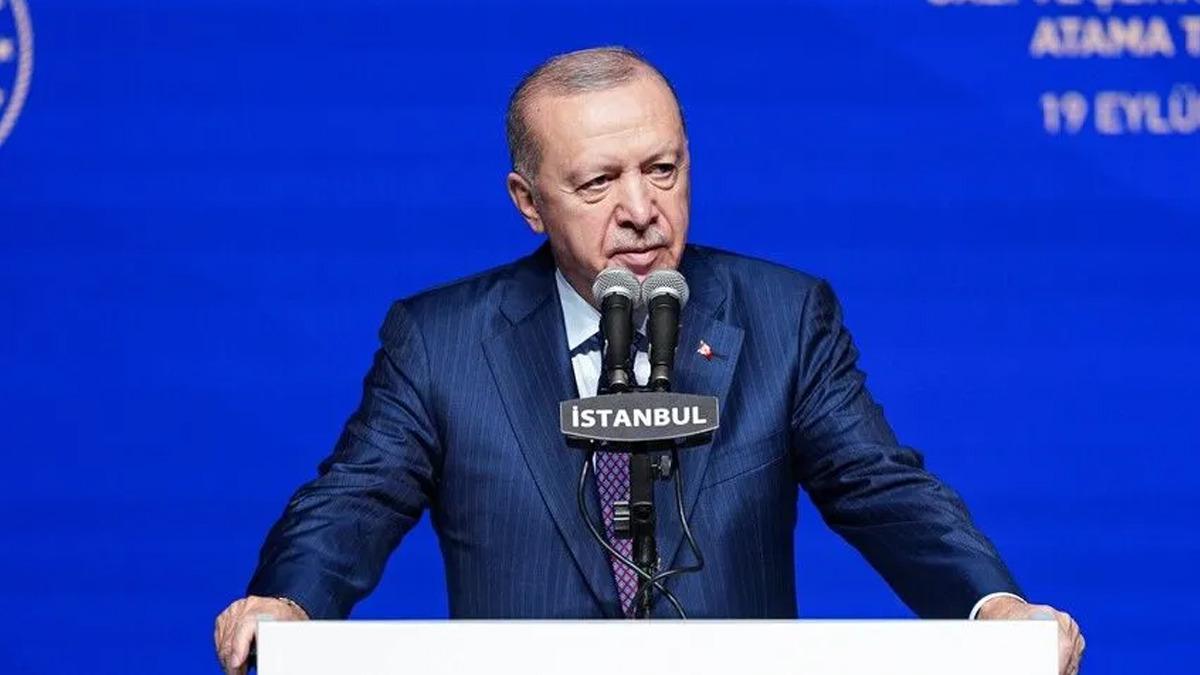
The upcoming 13th Council of Turkic States, also known as the 13th TDT Summit, represents a milestone in the evolving architecture of cooperation among Turkic-speaking nations. For President Recep Tayyip Erdoğan, it is a pivotal moment to define the next chapter of their collective history. The message from the Turkish leadership has been clear and deliberate, signaling a shift from cautious cooperation to bold assertion.

Erdoğan released a statement that serves as the ideological anchor for the event. The document opens with a powerful declaration: “The unity of the Turkic world is the most powerful manifestation of the deep-rooted heritage we inherited from our common history and our will to shape our shared future.” This language is a strategic framing designed to elevate the council from a forum of discussion to a body of historical destiny. By tying current political alliances to a deep-rooted heritage, the Turkish leadership is arguing that cooperation among these nations is the natural fulfillment of a long-standing civilizational bond.
The most striking element of this pre-summit messaging is a bold prediction that sets the tone for the 13th gathering. Erdoğan asserts, “I truly believe that the 21st century will be the 'Turkish World Century'.” This statement functions as a vision for geopolitical relevance. In a global context where alliances are shifting, positioning the Turkic world as a leading force in the 21st century is a claim to strategic significance. It suggests that the collective weight of these nations is enough to define the era, a notion that requires the concrete “strengthening of unity” that the summit aims to achieve.
This braid of history and politics is central to the Turkic state identity.
Why is this emphasis on unity so urgent now? The context provided by the Turkish leadership suggests that the current global landscape makes isolation a liability. By highlighting the “responsibilities of the Turkish state” in this context, the message implies that Turkey is taking the lead in orchestrating a coordinated response among its partners. The 13th Council is presented as a key meeting to strengthen cooperation and achieve common goals. This is about aligning strategic interests to offer leverage and stability on the world stage.
The narrative moves from the past to the future with clarity. The “common history” mentioned in the opening quote is the inheritance; the “will to shape our shared future” is the action. This braid of history and politics is central to the Turkic state identity. By framing the council’s activities as the manifestation of this will, the Turkish presidency is inviting participating nations to view their participation as a duty to a shared legacy. The goal is to transform this shared historical consciousness into tangible “shared goals and projects.”
As the 13th TDT Summit and the 13th Turkish State Institution Summit converge, the atmosphere is charged with this new confidence. The event is framed as a crucial juncture where the “strategic necessity of unity” is tested and demonstrated. The leadership is articulating a vision for the coming century. The summit is the stage where this vision is presented to partners, inviting them to join in building what Erdoğan calls the “Turkish World Century.”
The narrative focuses on the role of Turkey within this coalition. The “responsibilities of the Turkish state” are highlighted as central to the process of strengthening unity. This suggests a model where Turkey acts as a catalyst for the broader Turkic community. The hope is that through the council’s activities, the abstract idea of a “shared future” becomes concrete reality. The success of the 13th meeting will be judged by how effectively it reinforces the belief that the 21st century belongs to this specific group of nations.