For millions of households in Karnataka, the morning cup of Nandini milk has been a constant, affordable companion for generations. But in November, that comforting routine became noticeably more expensive as the Karnataka Milk Federation announced substantial price increases, sending ripples through the state's dairy market and household budgets alike.

Nandini, Karnataka's flagship milk cooperative, represents a unique agricultural success story. Governed by the Karnataka Milk Federation, this network collects milk from countless farmers across the state, processes it through various unions like the Bengaluru Milk Union, and delivers fresh dairy products directly to consumers. This cooperative model has long been praised for ensuring fair prices for both farmers and consumers, making Nandini a household name synonymous with quality and affordability.

The BJP’s Kalaburagi district unit will stage a protest in front of the Central Bus Stand here on Friday against the increase in milk prices and KSRTC bus fares, the former MLA Dattatreya Patil Revoor has said. https://t.co/u222xoxqaH
The initial shock came when the Karnataka Milk Federation implemented a significant increase in Nandini milk prices. Simultaneously, curd prices jumped, affecting daily cooking and consumption habits across Karnataka. These increases, announced in early November, marked the first major adjustment to these fundamental dairy products in recent memory.
On November 4, the Bengaluru Milk Union followed with increased prices for several other Nandini products.
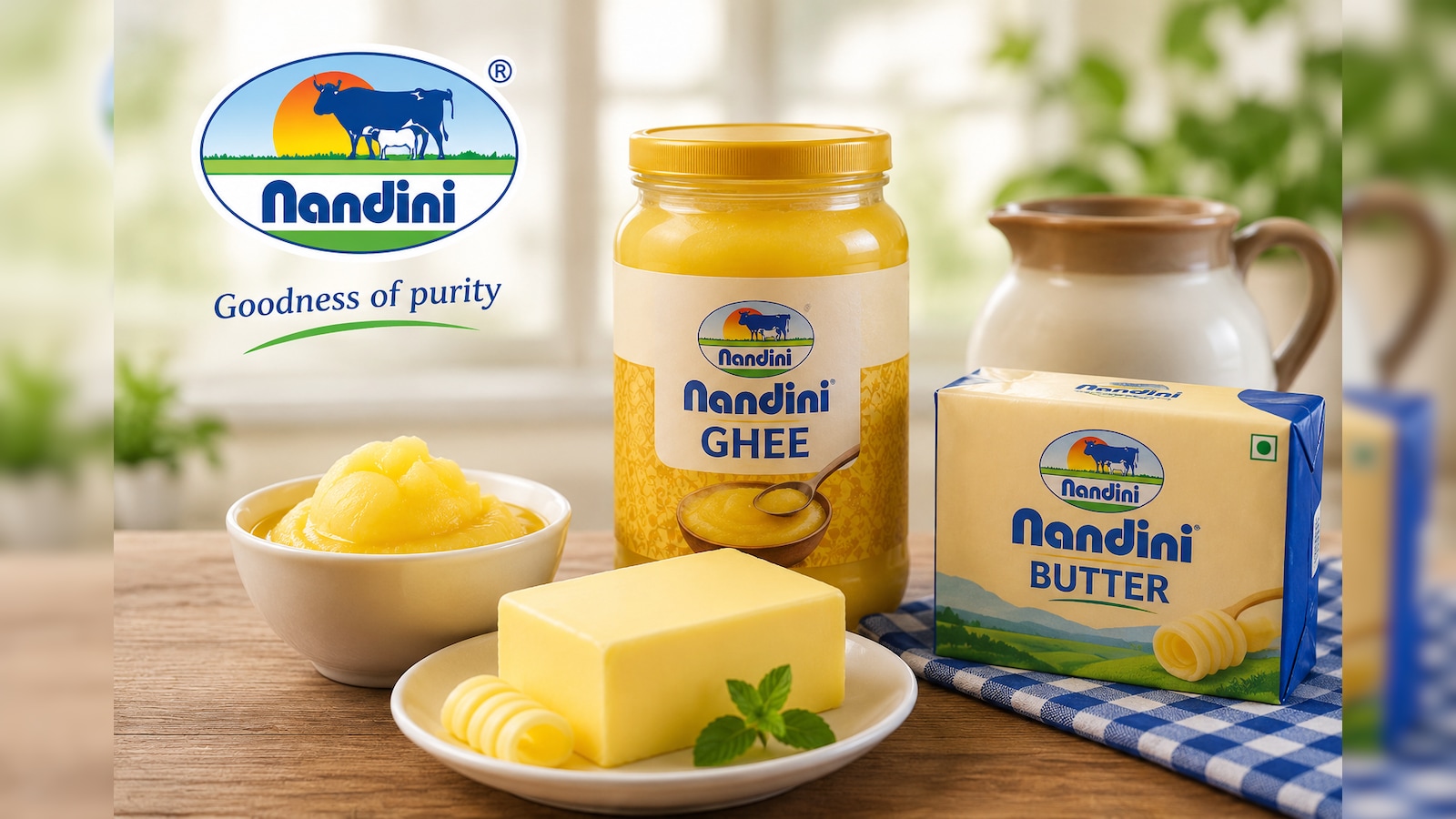
On November 4, the Bengaluru Milk Union followed with increased prices for several other Nandini products. By that date, consumers noticed that ghee, butter, and paneer had all become substantially more expensive, reflecting the rising production costs that began with the milk price adjustment.
The new pricing structure revealed significant increases across various Nandini products:
- Ghee prices now range from ₹95 for a 200ml sachet to ₹850 for a 1-liter pack - The 500ml pack of Nandini ghee is priced at ₹425 - Smaller containers of ghee in PET jars cost ₹65 for 50ml and ₹100 for 100ml
These price adjustments represent a substantial jump from previous rates, directly impacting household expenses, particularly for families that regularly use these products in cooking and daily meals.

The price increases didn't go unnoticed by political observers. Chalavadi Narayanaswamy emerged as a vocal critic, accusing the Congress government of "blackmailing and cheating" farmers and consumers over the recent hike in Nandini milk prices. This political reaction highlights the sensitivity of dairy pricing in Karnataka, where Nandini products are not just commodities but symbols of the state's agricultural identity.
For Bengaluru residents and others across Karnataka, the price increases have forced difficult adjustments. Many families now face the prospect of either reducing their dairy consumption or allocating more of their monthly budget to these essential products. The ripple effects extend beyond immediate household expenses, potentially impacting the broader food economy as restaurants and food businesses adjust their pricing models to accommodate the increased cost of dairy ingredients.
As of November, the new pricing structure remains in effect, with no indication of when or if these increases might be reversed. The cooperative maintains that the adjustments are necessary to maintain quality standards and ensure fair compensation for dairy farmers. Meanwhile, consumers continue to adapt to the new reality of higher dairy costs, watching closely for any further changes in a market where Nandini has long been a trusted, affordable presence in daily life.