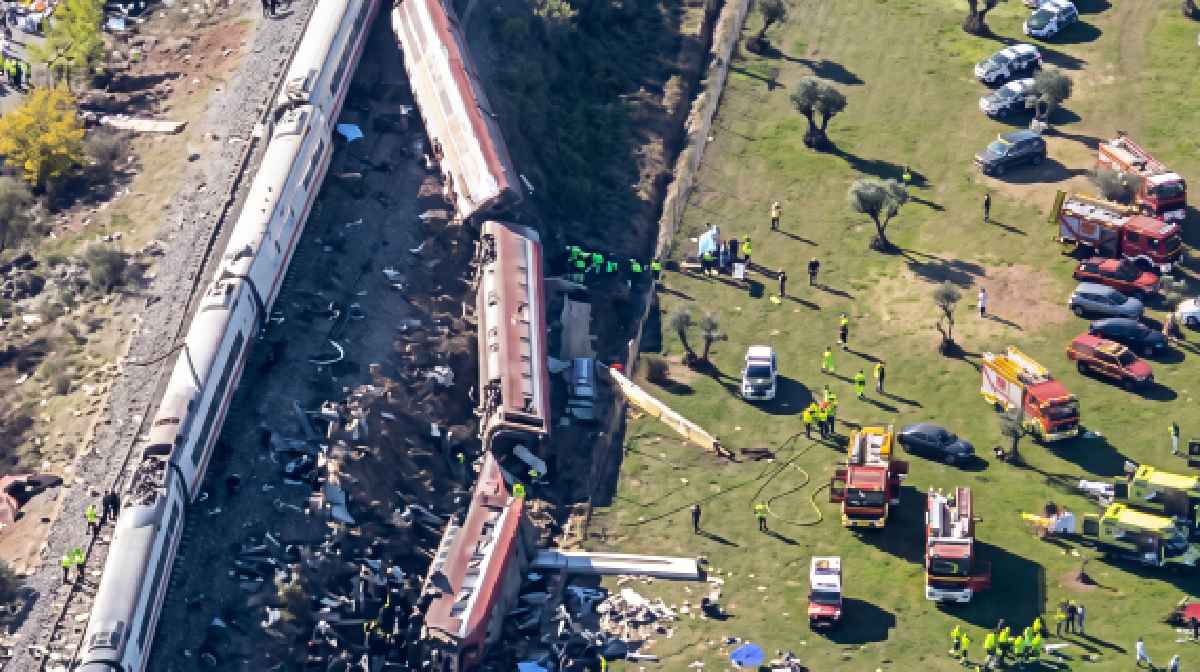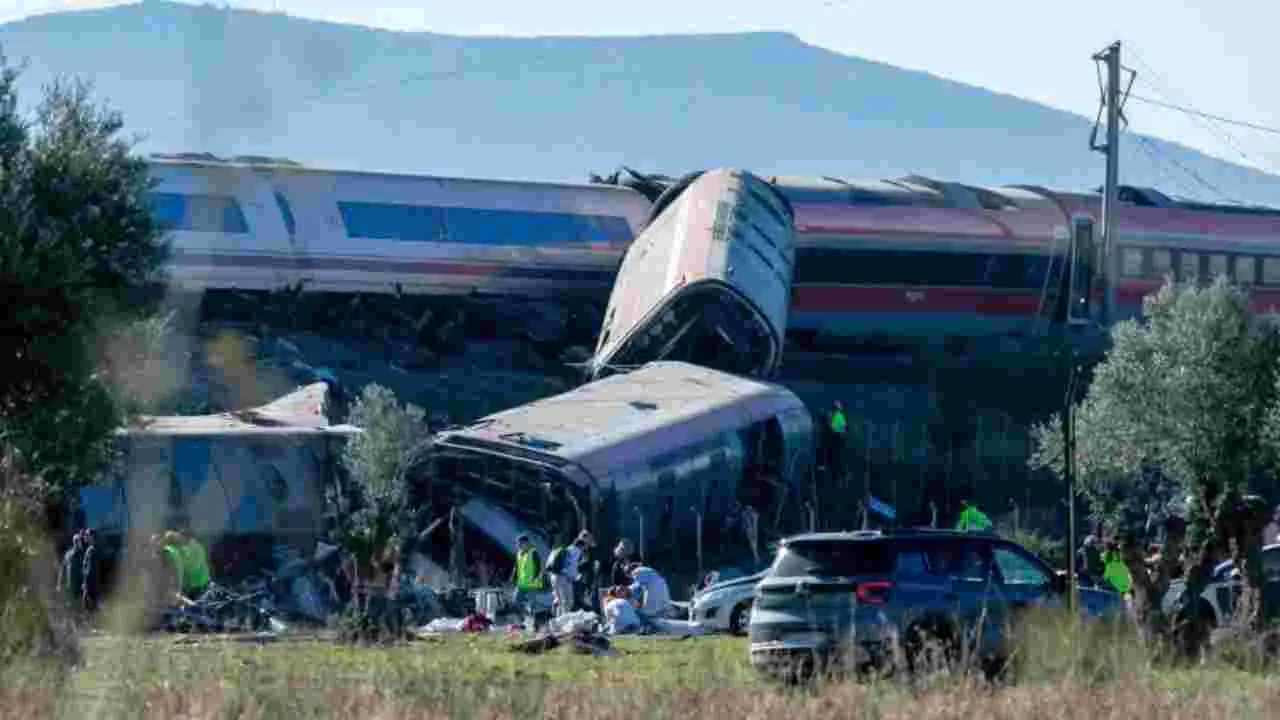
When the clock struck the morning of the incident, commuters across Spain expected the familiar hum of high-speed rail to carry them swiftly between cities. The incident claimed 68 lives and left 179 more wounded, a stark reminder that even the most advanced transportation systems are vulnerable to failure.

Preliminary investigations point to a combination of signal failures and traffic congestion as the proximate causes. In rail terminology, a signal failure means that the electronic or mechanical system that tells a train when to stop, go, or adjust speed did not function as intended. When multiple trains share a corridor, precise timing is essential; any disruption can cascade into a dangerous overlap of movements. In this case, the congestion on the line amplified the impact of the faulty signals, creating a scenario where the trains could not be safely coordinated.
The phrase "human error" often surfaces in the aftermath of transportation accidents, but the underlying reality is more nuanced. Signal systems are designed, installed, and maintained by teams of engineers and technicians. A failure can stem from a momentary lapse—a missed maintenance check, an overlooked software glitch, or a miscommunication between control centers.
Beyond the immediate tragedy, the derailment caused widespread service disruptions.
The derailed train carried 397 passengers at the time of the accident. Among them, 68 never made it home, and 179 sustained injuries ranging from minor cuts to serious trauma. Families across the country were thrust into grief, and hospitals in the region were suddenly tasked with treating a surge of victims. The sheer scale of loss underscores how a single technical malfunction can reverberate through countless lives.
Beyond the immediate tragedy, the derailment caused widespread service disruptions. High-speed lines, prized for their punctuality, rely on tightly scheduled slots; a single incident can throw the entire timetable into disarray. Trains were halted, alternative routes were scrambled, and passengers faced delays that stretched far beyond the accident site. The disruption highlighted the fragility of a system that, while efficient, leaves little room for error.
In the wake of the crash, calls for reinforced safety measures have grown louder. Experts advocate for redundant signaling pathways, more rigorous traffic management protocols, and continuous real-time monitoring of train positions. The incident serves as a catalyst for a reassessment of how technology, human oversight, and operational procedures intersect on Spain’s high-speed rails. As the nation mourns, the imperative to prevent a repeat becomes a shared responsibility among engineers, regulators, and the traveling public.
Spain’s high-speed rail network has long been a point of pride, linking cities at speeds that rival air travel while reducing carbon footprints. The tragedy of the incident does not erase those achievements, but it does demand a renewed commitment to safety. The loss of 68 lives and the injuries to 179 more stand as a somber ledger against which future improvements will be measured. In honoring the victims, the country faces the challenge of turning grief into concrete action, ensuring that the rails that once symbolized progress remain steadfast guardians of public safety.