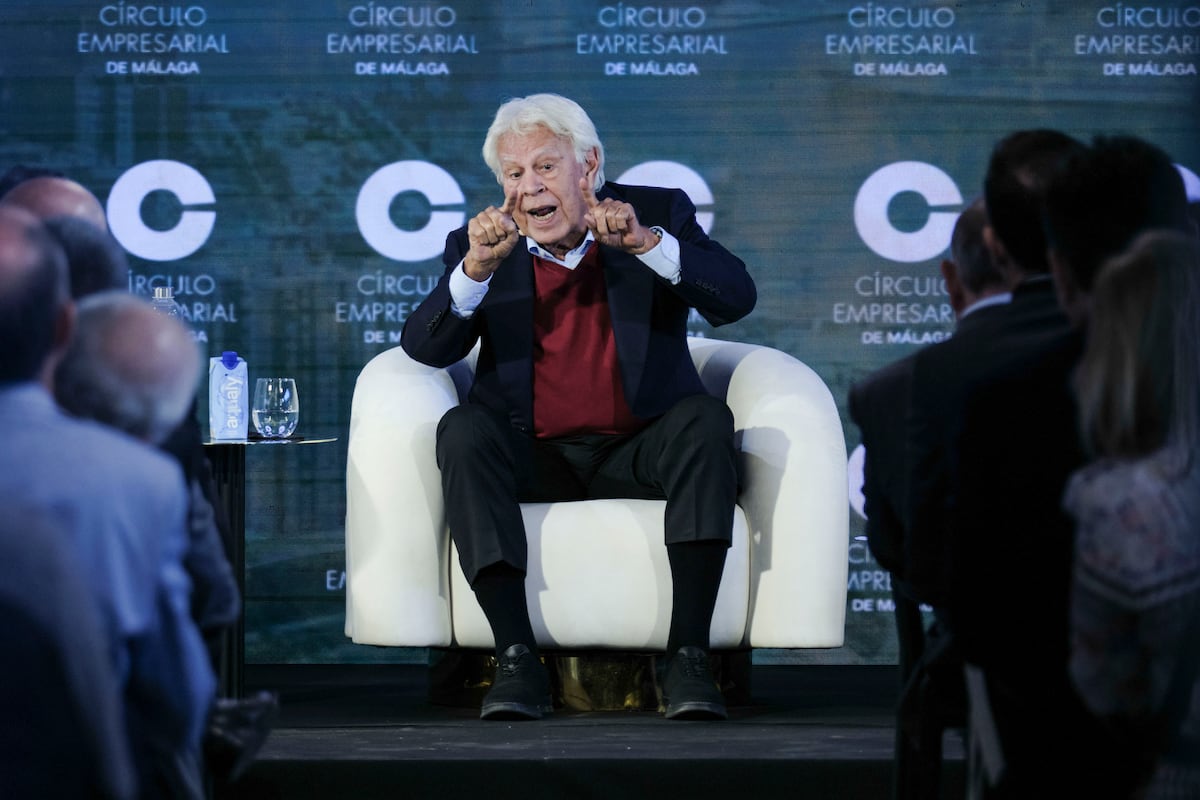
Felipe González, the former Spanish Prime Minister, has once again stepped into the political limelight. On October 22, 2026, González participated in a business colloquium in Málaga and spoke at the 8th edition of the Leaders Meeting. His words, sharp and unambiguous, echoed through the halls of the event, setting the stage for a new chapter in Spain's political drama.
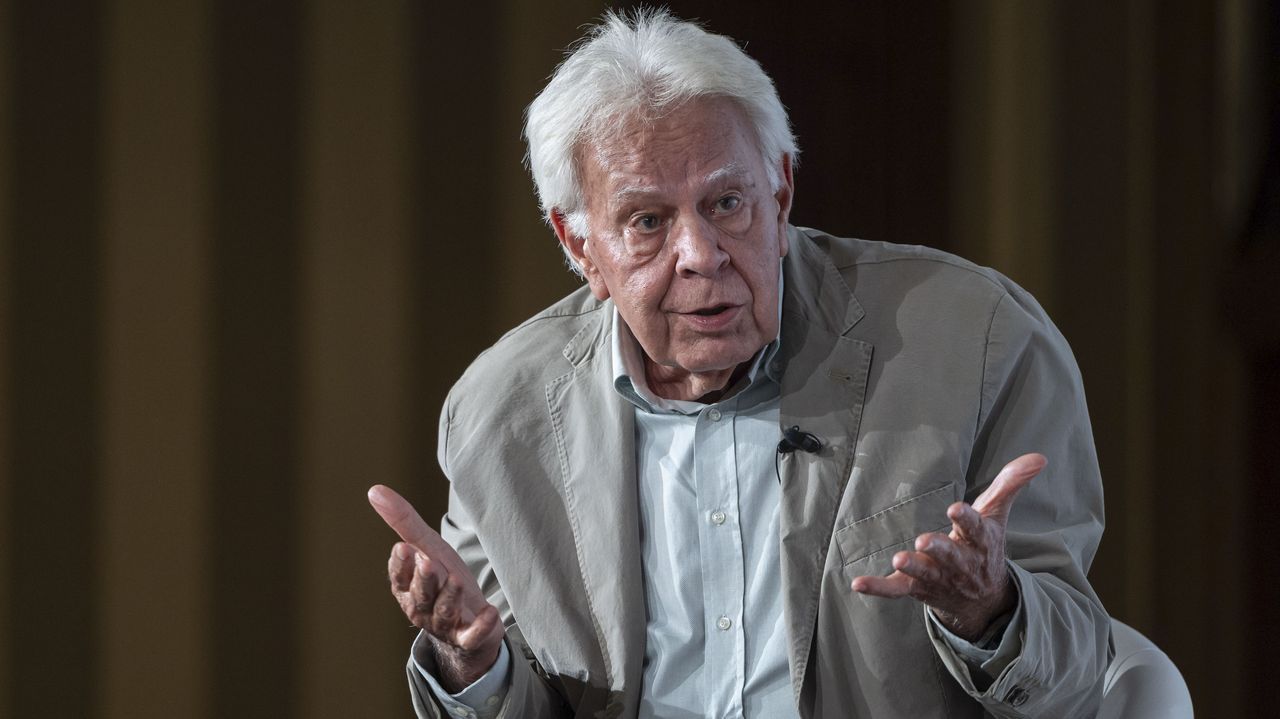
González's decision to vote in blank in the upcoming 29-N general elections is a clear statement of his dissatisfaction with the current political landscape. In an interview following his speech, he explained, 'Es un voto que explica lo que siento, la carencia de representación' (This is a vote that expresses what I feel, the lack of representation). His choice reflects a broader sentiment among voters who feel unrepresented by the major political parties.
González's critique of the current government, the Partido Socialista Obrero Español (PSOE), is multifaceted. He criticizes the behavior of the PSOE and the lack of a clear 'project of country' that resonates with him. 'Nada me representa de verdad,' he stated, emphasizing that the party's actions do not reflect his values or aspirations. His comments come at a time when the PSOE is facing internal and external pressures, including criticism from the opposition and within its own ranks.
González's prediction of an inevitable pact between the Partido Popular (PP) and Vox adds another layer of complexity to the upcoming elections.
González's prediction that if Javier Milei, the Argentine economist and politician, visits Spain 15 times more, it is possible that Pedro Sánchez (the current Prime Minister) will win the elections, adds an interesting twist to the political discourse. Milei, known for his support of a free-market economy, has been making waves in Spain with his visits and public appearances. González's statement suggests that if Milei were to gain more traction, it could shift the political balance in favor of the incumbent.
González's criticism of the PSOE's alliances with other parties is another point of contention. He argues that the party's behavior and its willingness to form alliances, even with those he deems as 'extreme,' do not align with his vision of a stable and coherent government. 'No veo nada que me represente,' he added, further emphasizing his disappointment with the current political landscape. His comments come as the PSOE is under scrutiny for its alliances with Podemos and other centrist parties, which have been criticized for diluting the party's traditional social democratic values.
González's disapproval of the amnestied leaders of the Catalan independence movement is a clear indication of his stance on regional issues. He criticizes the approval of decrees on housing, deeming it 'antidemocratic.' This stance is particularly relevant given the ongoing tensions surrounding Catalonia and the broader issue of regional autonomy in Spain. His criticism reflects a broader debate within Spanish politics about the balance between central government authority and regional autonomy.
González's prediction of an inevitable pact between the Partido Popular (PP) and Vox adds another layer of complexity to the upcoming elections. The PP, traditionally a center-right party, and Vox, a far-right party, have been seen as natural opponents. However, González's prediction suggests that the political landscape is shifting, and the two parties may find common ground. This prediction is significant as it could reshape the political dynamics and potentially influence the outcome of the elections.
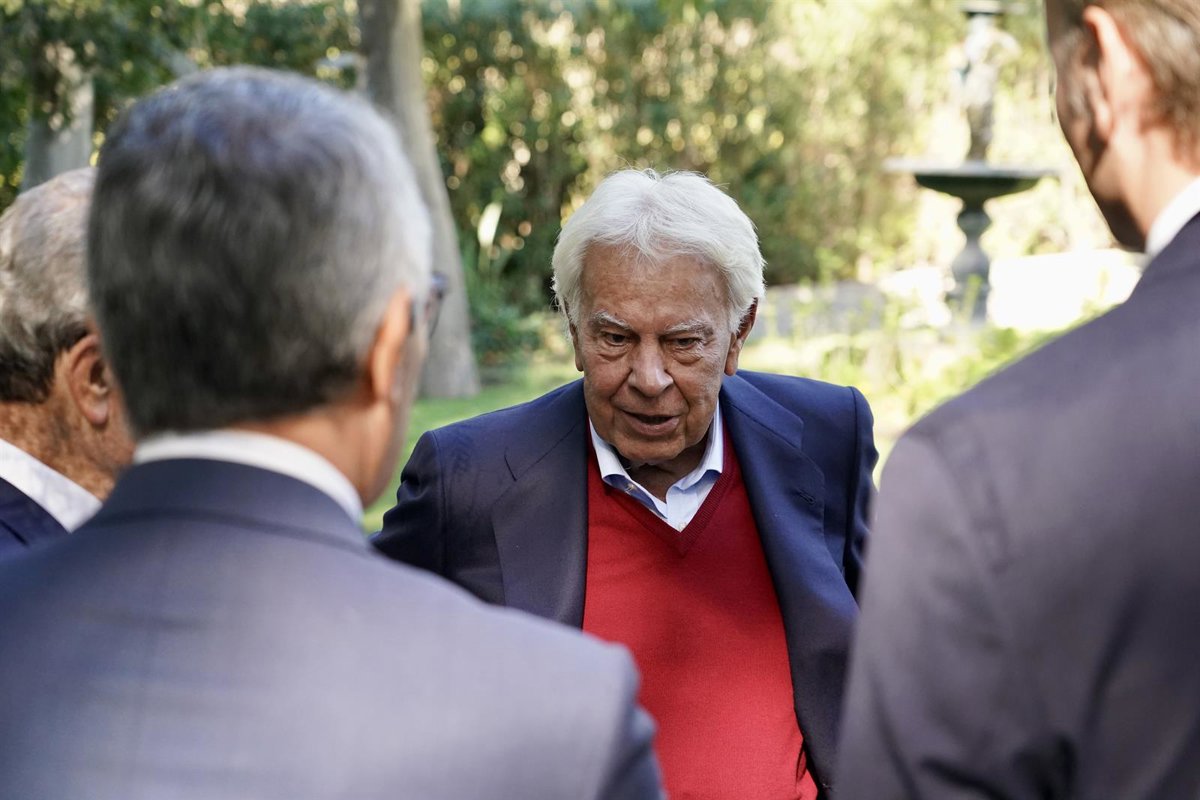
González's decision to vote in blank is a clear statement of his dissatisfaction with the current political landscape. His comments reflect a broader sentiment among voters who feel unrepresented by the major political parties. The upcoming 29-N general elections will be closely watched, not only for the results but also for the impact of such a significant figure as Felipe González on the political discourse. His decision to vote in blank is a powerful statement that could resonate with many voters who share his concerns.
As Spain prepares for the 29-N general elections, the words of Felipe González loom large. His decision to vote in blank and his critical stance on the current government have added a new dimension to the political debate. The upcoming elections will be a test of the strength of the incumbent government and a reflection of the broader dissatisfaction among the electorate. Felipe González's voice, as always, is a powerful reminder of the importance of representation in a democracy.