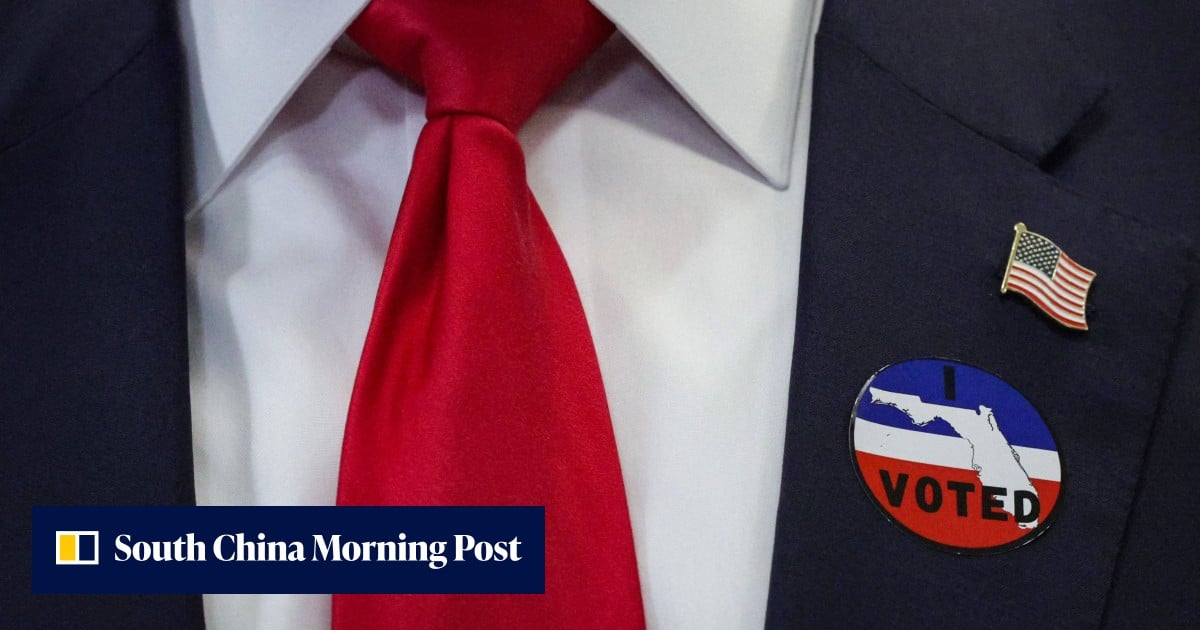
In the landscape of American political theater, consistency is often treated as a virtue, but strategy frequently demands its sacrifice. For years, Donald Trump has been a vocal skeptic of the mechanisms that allow voters to participate before Election Day. He has frequently cast doubt on the integrity of mail-in ballots and the expanded windows of early voting that have become staples of the modern American electoral process. Yet, on October 24, 2026, that long-held skepticism met a practical reality in Florida.

On that day, the former president cast his ballot early, stepping into the voting booth well before the midterm elections scheduled for November 3. It was a moment of quiet contradiction. The man who once questioned the very systems designed to facilitate early participation was now using them to ensure his own voice was heard. This move in Florida was not merely a personal errand; it was a public performance that signaled a change in how the Republican leader intends to engage with the mechanics of the upcoming vote.
This shift appears to be less about a change of heart regarding election integrity and more about a calculated mobilization of his supporters. In the lead-up to the midterms, Trump has used his pre-election rallies to urge members of the Republican Party to embrace the early voting process. By doing so, he is attempting to bridge the gap between his rhetoric and the logistical necessity of securing a Republican victory.
The stakes of the upcoming November 3 elections extend far beyond the individual candidates on the ballot.
His goal is clear: to move the party's base toward the polls as early as possible. In the high-stakes environment of midterm elections, where control of the legislative agenda is often decided by narrow margins, the timing of voter turnout can be as decisive as the candidates themselves. By encouraging his followers to vote early, Trump is attempting to turn a previously criticized tool into a partisan advantage, aiming to shore up Republican strength before the final rush of November 3 arrives.

Trump, Obama weigh in on Moody-Nixon race for U.S. Senate in Florida https://t.co/qUnpqPI8Nj https://t.co/IWbtutIa92
Even as he participates in the democratic process, Trump remains deeply tethered to the grievances of the past. His presence at the polls in Florida was underscored by a continued insistence on the irregularities of previous contests. He has not abandoned the narrative that shaped his post-presidency, frequently returning to the claim that the 2020 election was fundamentally compromised.
"It was a rigged election, but I won by millions of votes," he has asserted, maintaining a stance that continues to define his political identity. He has even gone so far as to claim, "I ran and I won in 2016, and I won in 2020, too, but it didn't work out that way." This insistence on a stolen victory serves as a dual-purpose tool: it reinforces loyalty among his most fervent supporters while simultaneously framing the current midterm struggle as a fight against a corrupt establishment.
The stakes of the upcoming November 3 elections extend far beyond the individual candidates on the ballot. For the Democratic Party, the midterms represent a critical opportunity to seize control of both chambers of Congress. Such a shift would fundamentally alter the legislative landscape, potentially stalling or reversing many of the initiatives championed by the current administration.
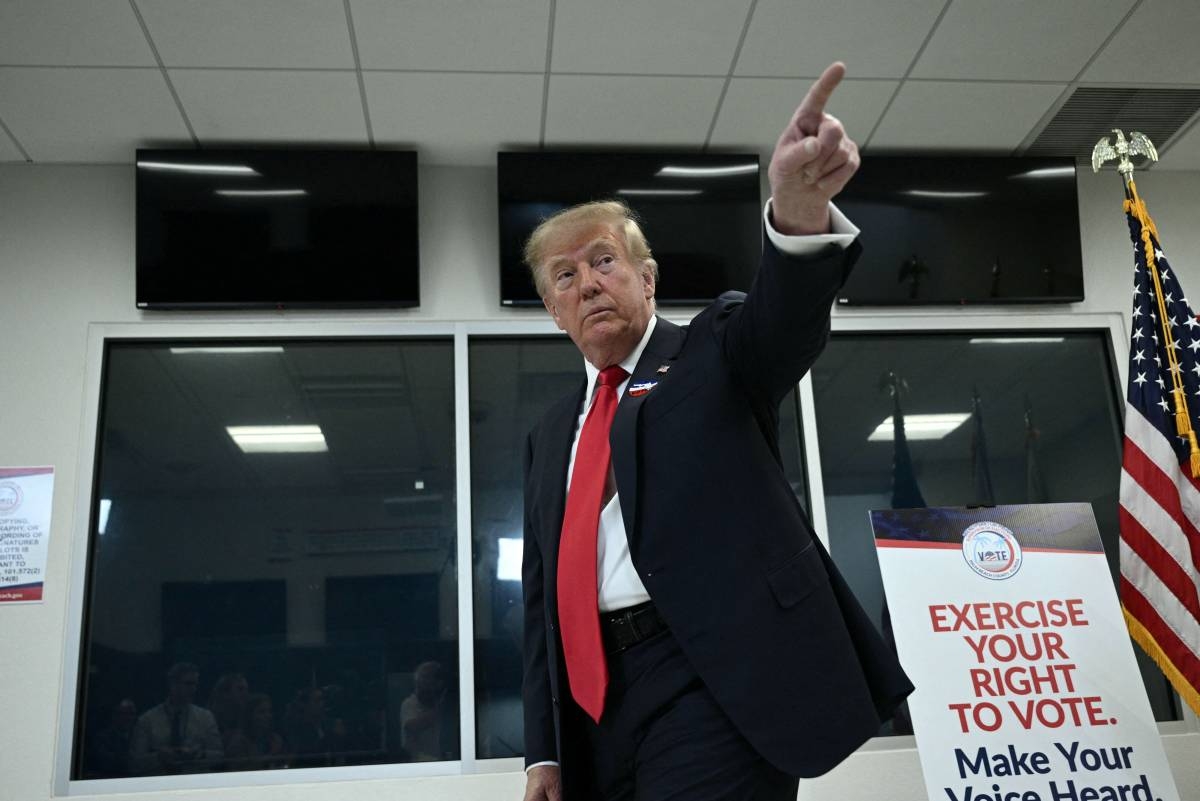
For Trump and the Republican Party, the elections are a defensive necessity. The ability to pass legislation and set the national agenda depends heavily on the composition of these congressional bodies. As the midterms approach, the tension between the two parties is palpable, with Democrats looking to expand their influence and Republicans looking to maintain their foothold in a political climate where Trump's approval ratings have reached historically low levels.
Throughout his recent appearances and his actions in Florida, Trump has sought to frame the political contest not just as a policy debate, but as a moral struggle against systemic rot. He has directed his criticisms sharply toward his political opponents, characterizing the opposition's actions as a form of institutional decay.
"You ought to look at the real corruption -- it's Democrat corruption," he remarked, pivoting the conversation from his own electoral challenges to the alleged misconduct of his rivals. By framing the Democrats as the architects of corruption, he provides his base with a clear antagonist, turning the act of voting into a crusade against perceived wrongdoing. It is a strategy that seeks to transform the voter from a mere participant into a defender of the republic.
As the calendar moves toward November 3, the political atmosphere in Florida and across the country remains charged. Trump’s decision to vote early in Florida serves as a precursor to the broader tactical maneuvers the Republican Party is expected to employ. The contradiction between his past criticisms of early voting and his current endorsement of it highlights the fluid, often pragmatic nature of modern political campaigning.
Whether this strategic pivot will succeed in mobilizing enough voters to secure Republican control of Congress remains to be seen. For now, the focus remains on the tension between the claims of past electoral fraud and the immediate, practical necessity of winning the next round. The midterms will ultimately decide if the Democratic hope for congressional control can overcome the Republican effort to fortify their position through early mobilization and a narrative of systemic corruption.