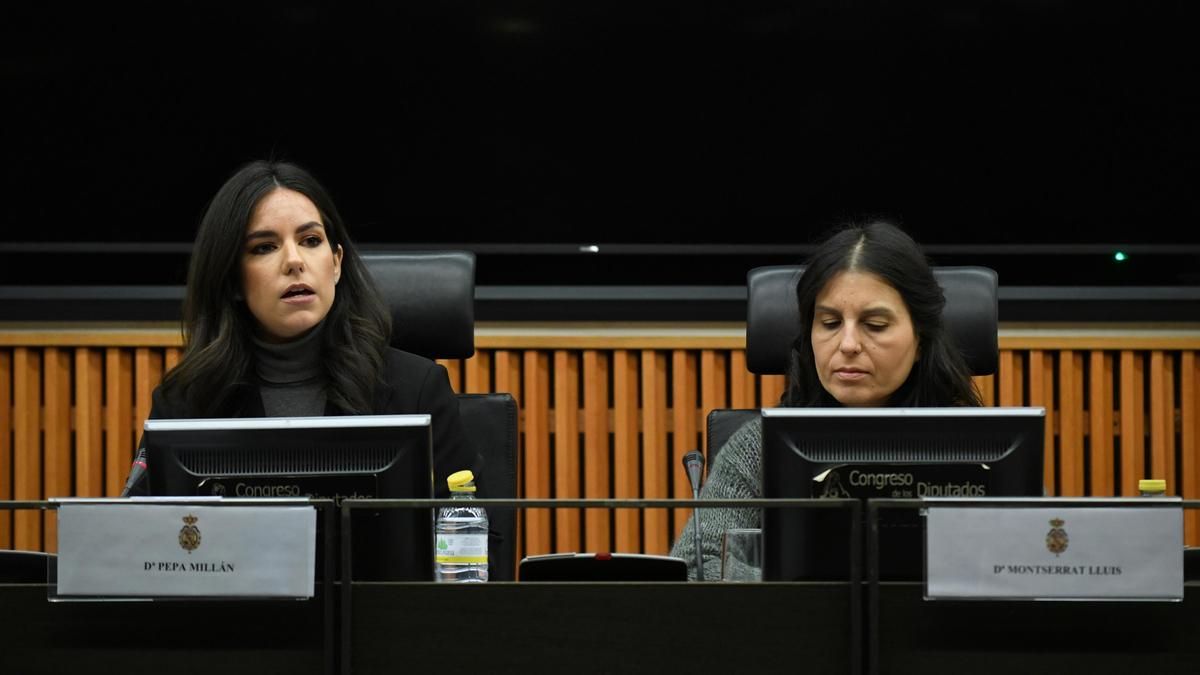
Santiago Abascal of Vox has altered the party’s candidate lineup for the forthcoming Madrid elections. The most visible change is the promotion of Montserrat Lluis, who until recently held a leadership post inside Vox, to the second position on the Madrid list. Lluis is not a newcomer to the party’s inner workings; she has been described as a prominent figure who played a central role in negotiating the autonomous pacts with the People’s Party (PP). Her move up the ticket is presented by the party as a reflection of its broader strategy, one that seeks to highlight particular regions and individuals it deems important for the campaign.
Accompanying Lluis’s ascent is the inclusion of Juan Sergio Redondo, the current spokesperson for Vox in the North African enclave of Ceuta. Redondo has been placed third on the Madrid list, a decision the party says underscores the significance it attributes to Ceuta in its electoral messaging. The list also features Pepa Millán and Cristian Toro, names that have appeared in previous Vox rosters but now find themselves positioned behind Lluis and Redondo. Together, these adjustments aim to stitch together a narrative that ties the party’s national ambitions to specific territorial strongholds.
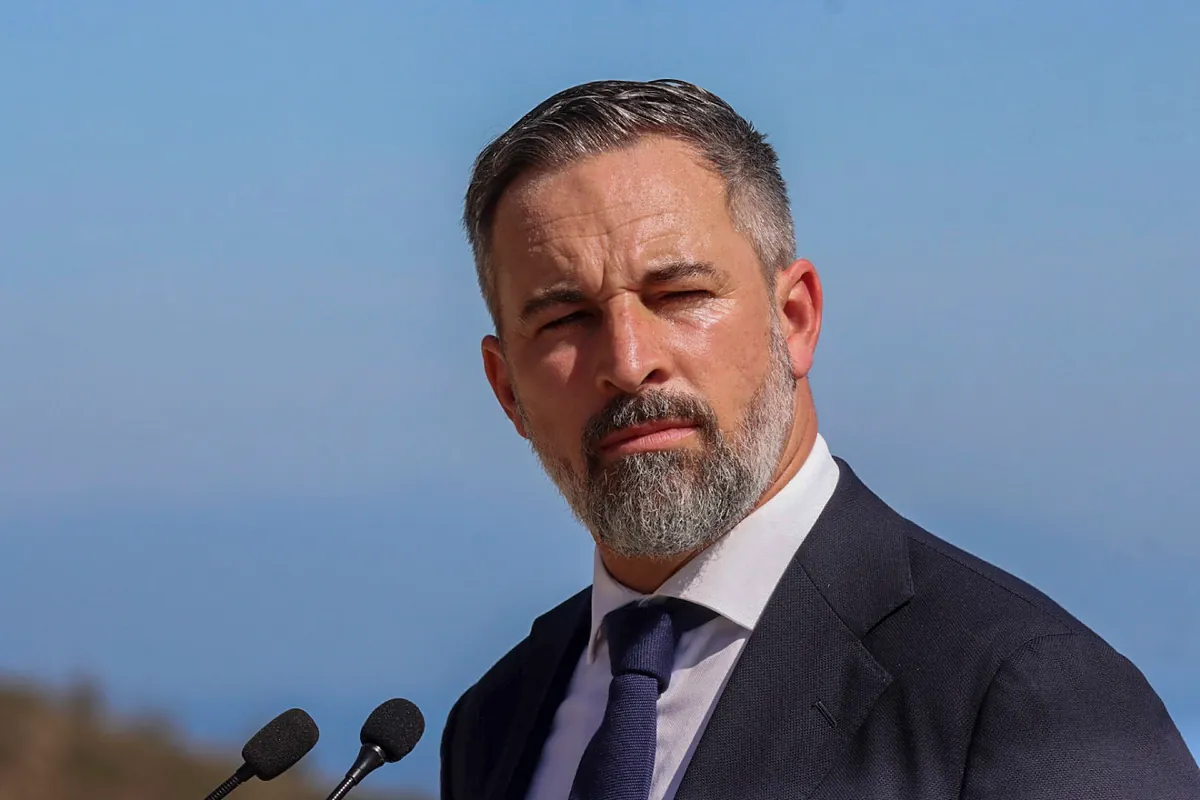
On the same day that the Madrid adjustments were made, Vox announced its candidates for the Spanish general elections. At the top of the Madrid ticket stands Santiago Abascal himself, with Montserrat Lluis secured as the number‑two candidate. Following them are Juan Sergio Redondo and Pepa Millán, maintaining the order established in the regional list. Beyond Madrid, the party has designated Samuel Vázquez, who serves as Vox’s national security and immigration spokesperson, as the leading candidate for the province of Ávila. The Comité Ejecutivo Nacional, the party’s highest executive body, has formally approved these selections, lending them internal legitimacy.
At the top of the Madrid ticket stands Santiago Abascal himself, with Montserrat Lluis secured as the number‑two candidate.
All of these developments were recorded on 19 October 2026. On that date Vox made public its candidate choices for the Spanish general elections, simultaneously confirming that Santiago Abascal had named Montserrat Lluis as the number‑two contender for the Madrid list in the upcoming 29‑N elections. The same announcement noted that Vox had selected its candidates for the Madrid elections, tying together the regional and national strands of its electoral plan. The reference to the “29‑N elections” points to the vote scheduled for the 29th of November, a date the party has repeatedly invoked in its communications.
The reshuffling of the Madrid list is more than a simple reordering of names. By elevating Lluis—a figure whose reputation rests on her work brokering accords with the PP—Vox appears to be emphasizing its willingness to engage in inter‑party negotiations, even as it maintains a hard‑line stance on other issues. The decision to give Redondo a prominent spot likewise highlights the party’s effort to bring the concerns of Ceuta into the national conversation, framing the enclave as a test case for its broader policy agenda. Meanwhile, the retention of figures like Pepa Millán and Cristian Toro suggests a desire to balance fresh faces with established loyalists, aiming to project both continuity and renewal.
As the party moves toward the November vote, the ticket it presents to voters in Madrid reflects a calculated blend of negotiation experience, territorial representation, and internal loyalty. The leadership has signaled that the upcoming contest will be fought not only on ideological grounds but also on the ability to showcase specific regional strengths and diplomatic credentials. Whether this approach will resonate with an electorate that has grown accustomed to Vox’s more confrontational rhetoric remains to be seen, but the composition of the list makes clear that the party is experimenting with a new emphasis on dialogue and local relevance as it prepares for the 29‑N elections.