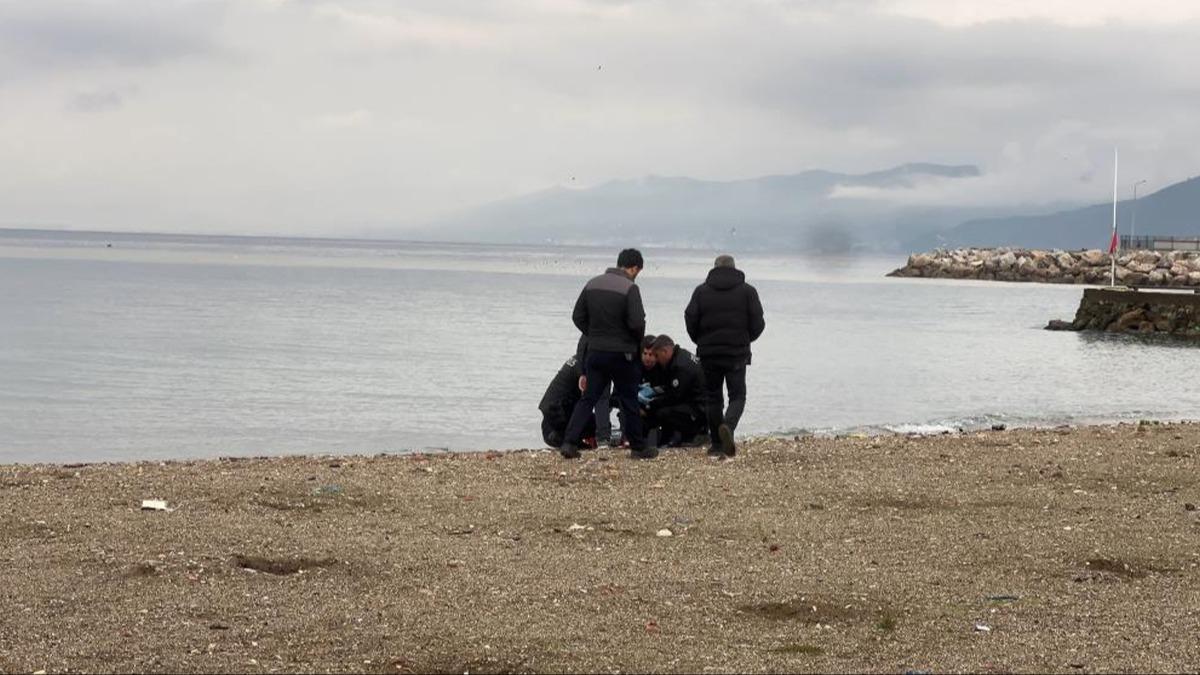
On the morning of October 27, 2026, the rhythmic sounds of the sea at Mudanya Beach in the Ömerbey Mahallesi district of Bursa were interrupted by a discovery that would soon command the attention of local authorities. What began as a routine morning on the coastline quickly shifted into a forensic investigation when a body was found lying on the sand. The setting, typically a place of leisure and natural beauty, became the backdrop for a scene that suggested something far more complex than a simple accident.
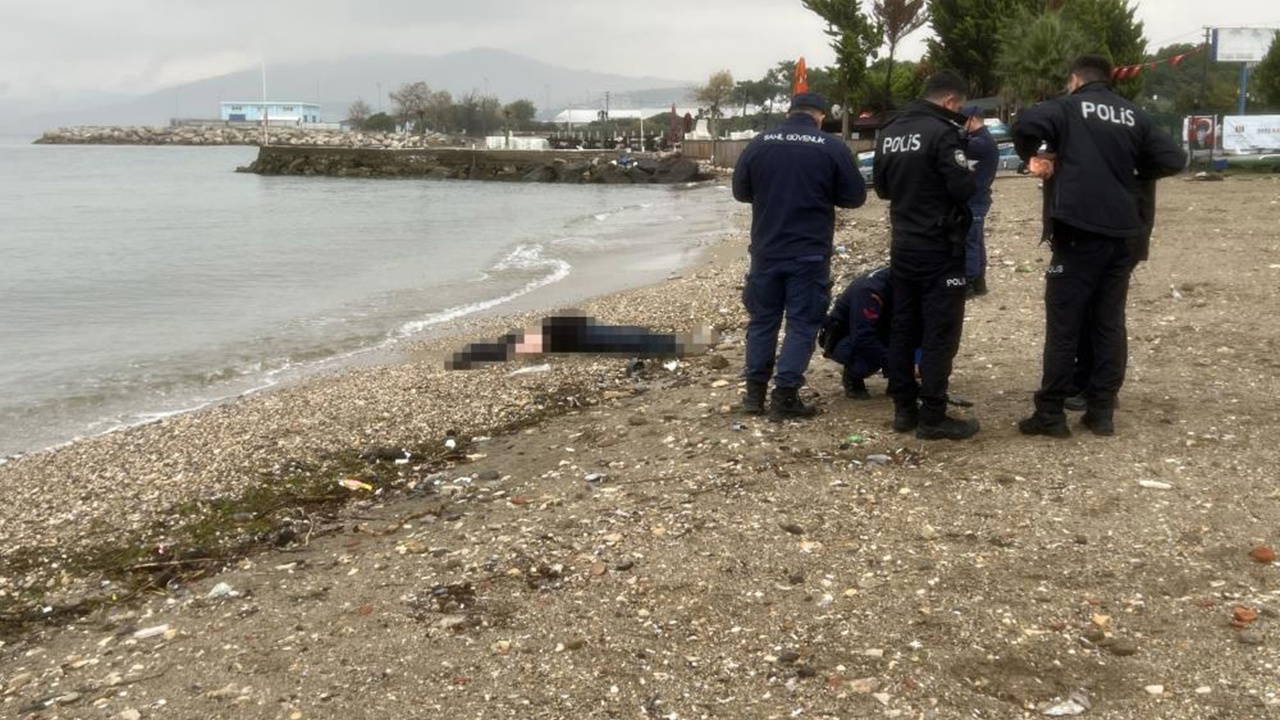
As investigators moved in, the grim reality of the situation became clearer. The deceased was identified as 67-year-old Yakup D. However, it was not merely the presence of the body that arrested the attention of the responding officers, but a specific detail found in close proximity to him. Tucked away, as if intended to be found, was a note. The message was brief, written with a clarity that left little room for ambiguity, yet it offered no comfort to those tasked with unraveling the circumstances of his passing.
The note contained a singular, haunting declaration: "I am not responsible for my death." In the context of a death investigation, such a statement is a heavy weight. It serves as a direct communication from the deceased to the living, a final attempt to shift the narrative of his end. For the police and medical teams dispatched to the scene on that same morning, the note transformed the investigation from a standard recovery operation into a search for accountability. The words suggested a desire to distance himself from the cause of his own demise, leaving investigators to wonder what prompted such a specific and defensive final act.
complete and the note secured as evidence, the focus of the investigation shifted from the shoreline to the laboratory.
As the sun rose higher on October 27, the beach became a site of coordinated official activity. Police teams arrived to secure the area, establishing a perimeter around the site where Yakup D. was discovered. Medical teams were also dispatched to the scene, performing the initial, necessary assessments of the site and the individual. The presence of these teams underscored the gravity of the note; the authorities were no longer just looking at a body, but at a potential legal and forensic puzzle that required meticulous documentation.
With the identification of Yakup D. complete and the note secured as evidence, the focus of the investigation shifted from the shoreline to the laboratory. The body was transported to the Forensic Medicine Institute, a facility dedicated to the scientific determination of cause and manner of death. In cases where a note suggests a lack of personal responsibility, the physical evidence must speak where words may be misleading. The institute's role is to look past the written word and into the biological reality of the body to determine exactly what transpired.
As it stands, the investigation remains in the hands of forensic experts. The community in Mudanya is left with the memory of a quiet beach and the unsettling echo of a man's final words. While the Forensic Medicine Institute works to provide the definitive answers that the note so pointedly seeks to complicate, the mystery of Yakup D. remains suspended between the sand of the beach and the clinical precision of the autopsy room.