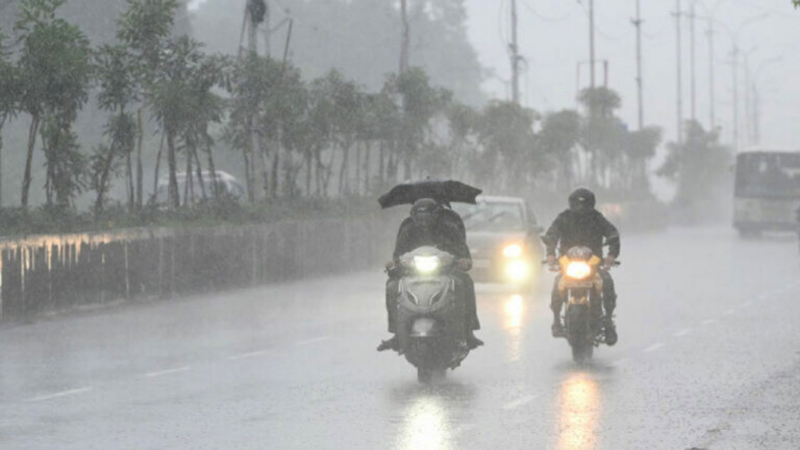
On October 26, 2026, the heavens opened over Tamil Nadu with a vengeance. What began as typical monsoon season downpours rapidly escalated into something far more menacing—torrential rains that wouldn't relent, transforming familiar landscapes into churning rivers of water.
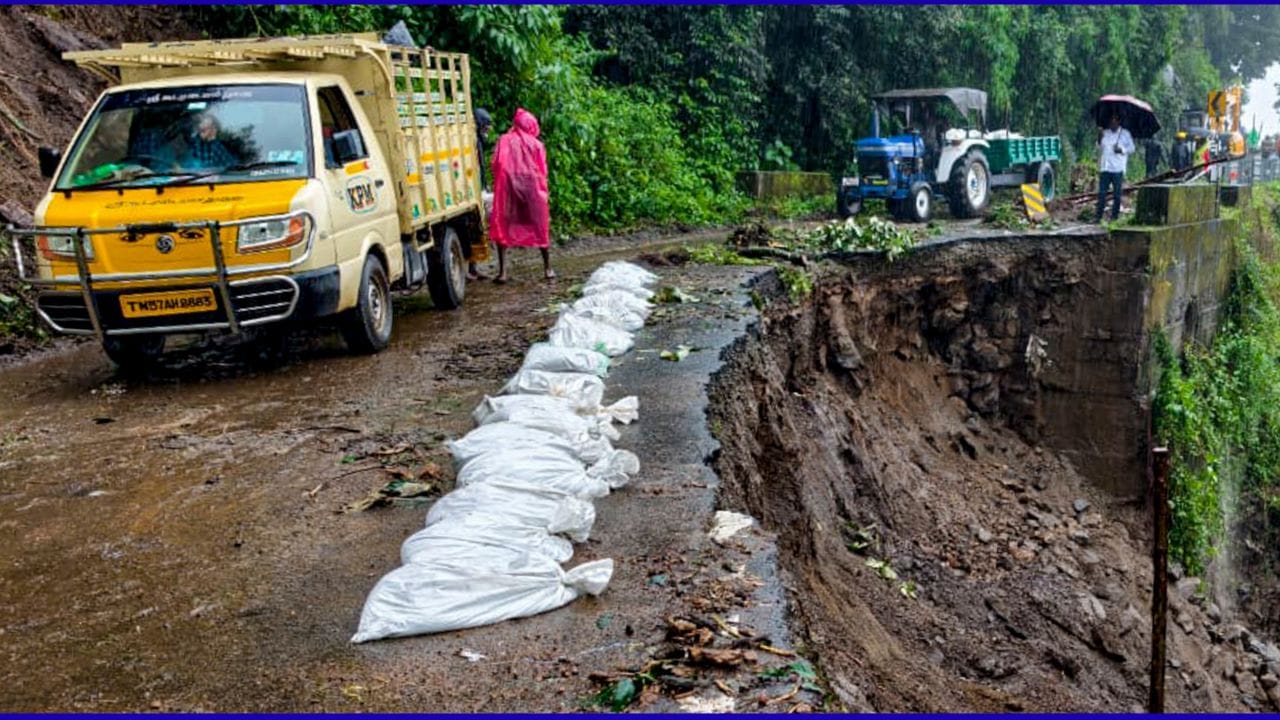
The Nilgiris, those picturesque hill stations that had welcomed generations of tourists seeking respite from the plains' heat, now stood transformed. What were once winding roads and charming hill towns became treacherous traps as rising waters swallowed everything in its path. The beauty that had drawn visitors now concealed dangers beneath its surface.
As the rain continued its relentless assault, the scale of the disaster became impossible to ignore. Fourteen mandis—vibrant marketplaces that serve as the economic lifeblood of their communities—were completely submerged. The water rose with terrifying speed, leaving residents with little time to gather belongings or seek higher ground.
In the immediate aftermath, emergency shelters sprang up in schools, community centers, and government buildings.
State officials acknowledged the critical nature of the situation and emphasized the ongoing relief efforts. The government's response, though swift, faced challenges of unprecedented scale. Roads became impassable, complicating rescue operations and the delivery of essential supplies. Communication networks faltered in the hardest-hit areas, leaving some communities temporarily isolated as the storm raged on.

Tamil Nadu monsoon havoc: 14 killed by lightning, 62 landslides hit Nilgiris https://t.co/irXnn1Ar2h
The submerged mandis represented significant economic disruption for communities across the region. For families affected by the flooding, the state has provided relief to help ease their burdens. In the immediate aftermath, emergency shelters sprang up in schools, community centers, and government buildings. Volunteers and rescue workers waded through chest-high waters, carrying the elderly, the infirm, and families with small children to safety.
As authorities assessed the damage, a difficult but necessary decision was made: to prohibit entry to tourist destinations across the region. The Nilgiris, with their vulnerable terrain and compromised infrastructure, were particularly at risk. The move, while economically painful, was essential to prevent further complications.
"We cannot risk additional lives. The hill stations are beautiful, but right now they are dangerous. We must prioritize safety over tourism." The message was clear: this was not merely an inconvenience, but a matter of survival.

Persistent downpours over the hill district of The Nilgiris triggered seven new landslips and uprooted 15 trees in the 24-hour period ending at 7 a.m. on Monday (October 26, 2026), further disrupting normal life and road connectivity at some places. ✍️@wilson__thomas https://t.co/1CCbksK8k9
As the rains gradually began to subside, the true extent of the damage became apparent. Homes stood with waterlines marking how high the floodwaters had risen. Bridges that had connected communities for decades lay broken or compromised. Agricultural lands, the source of livelihood for many, were buried under layers of mud and debris.
The road to recovery will be long. Beyond the immediate need for shelter and food, communities will require assistance rebuilding homes, restoring infrastructure, and replanting crops. The psychological toll, too, will linger long after the physical scars have begun to heal.
For now, Tamil Nadu stands at a crossroads—between the devastation of the present and the hope of rebuilding tomorrow. The monsoon's fury has tested the resilience of its people, but in the face of such adversity, communities have already begun to demonstrate the strength that has carried them through countless challenges before.