
In the autumn of 2026, Netflix announced that it had obtained the exclusive audiovisual rights to show the 2030 FIFA World Cup in Spain and Andorra. The announcement came first on 2026-10-10 and was reiterated on 2026-10-13, marking a clear step in the company’s strategy to bring major sporting events to its subscribers.
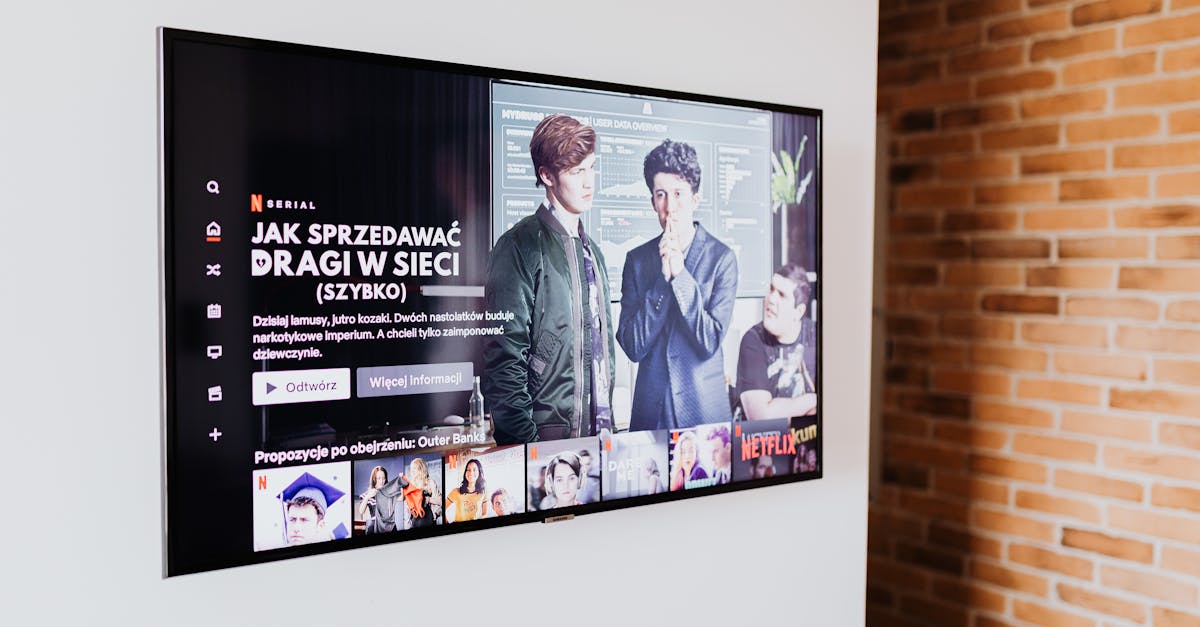
Under the agreement, Netflix will stream all 104 matches of the tournament live. The platform pledged to complement those broadcasts with pre‑match, half‑time, and post‑match shows, daily recap programmes, and pre‑tournament content tailored to a Spanish audience.

🚨𝗝𝗨𝗦𝗧 𝗜𝗡: FIFA is proposing to INVEST over $6 BILLION into football between 2027 and 2030. 💰 Each member nation could receive up to $25 MILLION, compared to just $1 MILLION in 2016. Over $3.5 BILLION would come from FIFA’s financial reserves. @TheAthleticFC https://t.co/6WsywLDyYk
Despite the exclusivity, the deal includes provisions for broader reach. One match from each matchday will be made available for free to viewers in Spain, allowing non‑subscribers to watch at least one game per day. Additionally, a package comprising all matches of the Spanish national team, both semi‑finals, and the final will be shared with an open‑air national television channel. This arrangement aims to guarantee great availability for the public throughout the country while preserving Netflix’s primary broadcasting role.
Claims associated with the announcement reference the tournament’s financial trajectory.
The 2030 edition of the World Cup will be a truly multinational affair. It is set to be co‑hosted by Spain, Morocco, Portugal, Argentina, Paraguay, and Uruguay, with commemoration matches also taking place in the latter three South American nations. The tournament also coincides with the 100th anniversary of the competition’s inception, adding a historic dimension to the event.
Claims associated with the announcement reference the tournament’s financial trajectory. According to those statements, the global revenue generated by the Qatar 2022 World Cup amounted to 2.900 billion euros, a figure that rose to 3.600 billion euros for the 2026 edition. These numbers illustrate the growing commercial value of the competition over recent cycles. In a separate note, a special plan price for the 2026 World Cup on the rival platform DAZN is listed as 19,99 euros, providing a point of comparison for market observers.
The World Cup agreement adds to Netflix’s expanding catalogue of live sports rights. The company already holds the exclusive broadcasting rights for the 2027 and 2031 Women’s World Cups in the United States and Canada. Beyond football, its portfolio includes NFL, MLB, WWE, boxing, and MMA events. This latest acquisition represents Netflix’s first major men’s international football rights deal in Spain, further diversifying its live‑event offerings.
Netflix’s Chief Content Officer, Bela Bajaria, emphasized the cultural resonance of the tournament, stating in Spanish that "Pocos acontecimientos unen tanto a la gente como un Mundial," which translates to "Few events unite people as much as a World Cup." She also expressed enthusiasm about Spain’s role as a host nation and reigning champion, noting that offering every match to fans in Spain and Andorra would make the occasion unique. Netflix España echoed the sentiment, announcing that it had secured the exclusive audiovisual rights for Spain and Andorra of the FIFA World Cup 2030™, while a separate Netflix statement highlighted that the deal would guarantee great availability for the public throughout the country.

As of the announcements in late October 2026, Netflix holds the exclusive rights to broadcast the centenary FIFA World Cup in Spain and Andorra, with plans to stream all 104 matches live, provide supplementary programming, offer one free match per day, and share Spain’s marquee fixtures with a national broadcaster. The agreement fits within a broader strategy of expanding live‑sports content, coincides with the tournament’s 100th anniversary, and is framed by executives as a unifying moment for fans. The arrangement now awaits the arrival of the 2030 competition, when viewers across the Iberian Peninsula will be able to follow the action through Netflix’s platform.