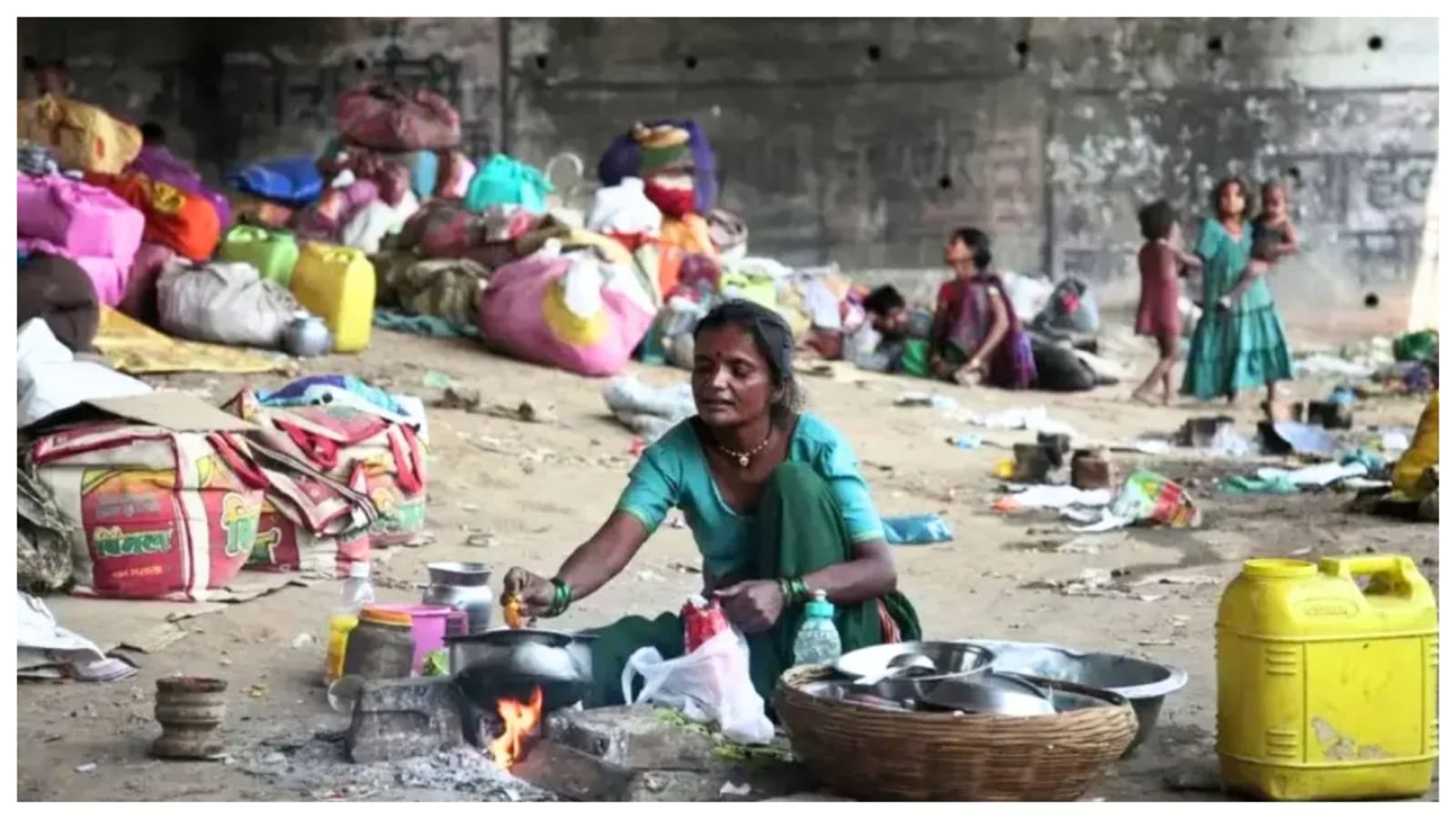
In 2011, a staggering 27.1% of India’s population lived in extreme poverty, a figure that the World Bank now records as the benchmark for the country’s most vulnerable citizens. By 2023, that share had collapsed to a mere 2.6%. The change is not a statistical footnote; it represents the lives of more than 50 crore people who, for the first time in a generation, found themselves above the threshold that once defined their daily struggle.
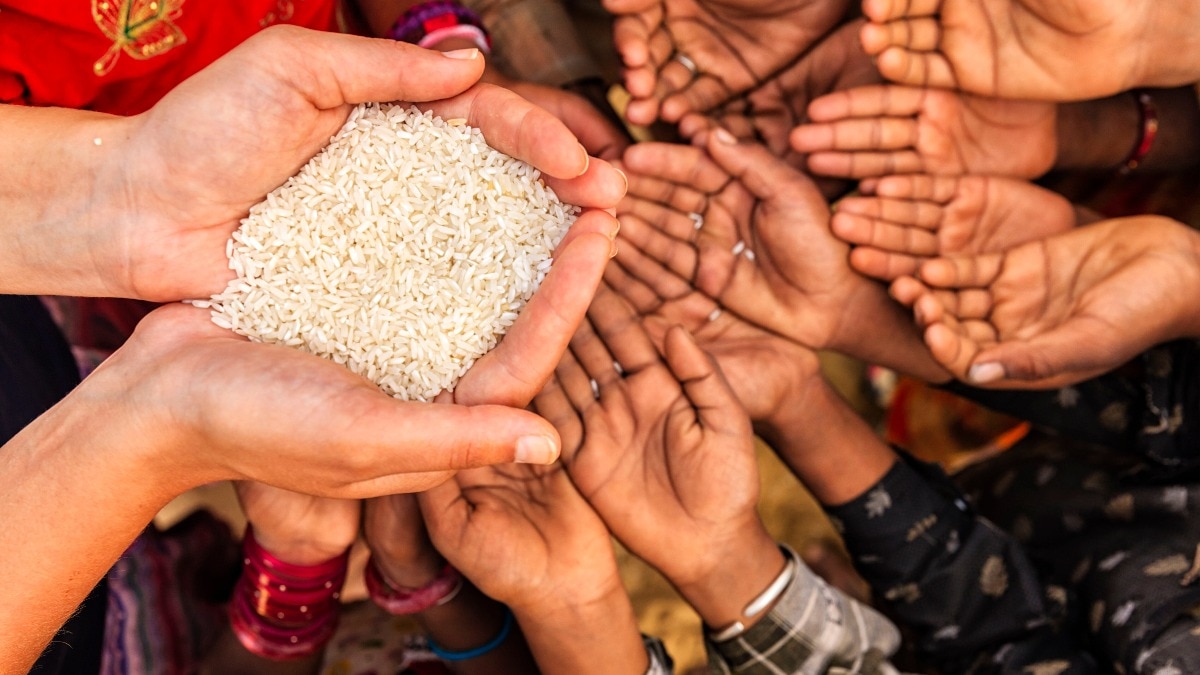
The World Bank’s 4.20‑USD‑per‑day measure paints a broader picture. While extreme poverty has vanished, 16.1% of the population still falls below the poverty line in 2023. In raw terms, that translates to 7.5 crore individuals who continue to navigate a precarious existence. The persistence of this broader poverty band signals that the gains in the extreme category have not automatically translated into a universal lift.
Between 2017 and 2023, India created approximately 13.4 crore new jobs. This surge in employment opportunities has been a cornerstone of the country’s poverty reduction strategy. When households gain steady income, they can increase spending on essentials, health, and education—factors the World Bank cites as pivotal in pushing people out of extreme poverty.
Despite the headline‑grabbing drop in extreme poverty, per‑capita income remains a concern.
The decline in extreme poverty is attributed to a combination of rising household spending and targeted government initiatives. As families earn more, they are better positioned to invest in their well‑being. Simultaneously, government programs—though not named here—have played a neutral but essential role in providing safety nets and fostering economic inclusion.
Despite the headline‑grabbing drop in extreme poverty, per‑capita income remains a concern. The World Bank’s data suggests that while many households have moved above the extreme poverty line, the overall economic well‑being of the average Indian still lags behind the nation’s growth trajectory. This gap underscores the need for sustained policy focus on income distribution and living standards.
India’s 12‑year journey from 27.1% to 2.6% in extreme poverty is a testament to the power of coordinated effort—between the market’s job creation engine and the government’s social safety nets. Yet the lingering 16.1% poverty rate and the per‑capita income challenge remind us that the battle is far from over. The next decade will test whether India can translate its gains into a more inclusive, equitable prosperity for all.