
When the results of the November 3, 2026, U.S. midterm elections began to crystallize, the political landscape in Washington shifted dramatically. The Republican Party, led by Donald J. Trump, suffered a significant defeat in the congressional elections. For many in the American electorate, this outcome signaled a fundamental change in the trajectory of domestic policy and the balance of power within the capital. Yet, thousands of miles away in Moscow, the reaction was one of calculated indifference. To the Russian political establishment, the internal machinations of the American legislative branch are distant echoes that do little to alter the strategic realities on the ground.
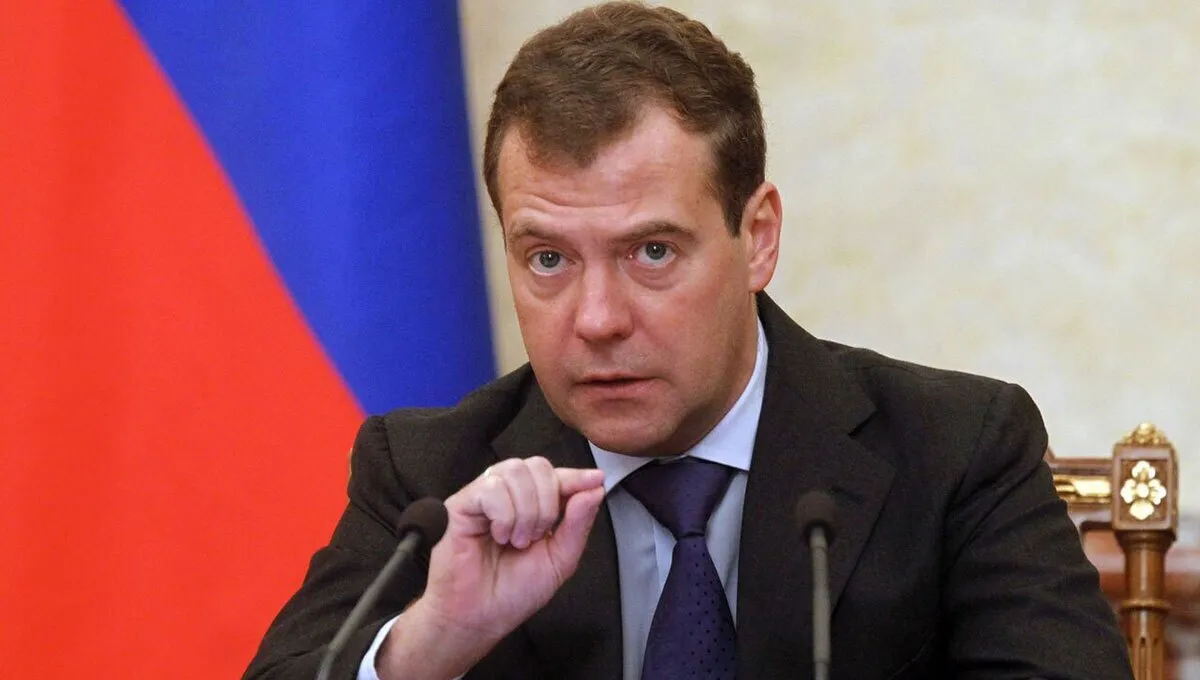
Dmitry Medvedev, the Deputy Chairman of the Russian Security Council, offered a blunt assessment of the situation. In his view, the electoral upheaval in the United States is unlikely to have any significant impact on Russia’s core interests in the short term. Medvedev’s perspective is rooted in a pragmatic, if cynical, reading of international relations: that the machinery of the American state, regardless of which party holds the gavel in Congress, remains committed to a policy trajectory that Moscow has already accounted for. For the Kremlin, the focus remains singular and unyielding, rendering the shifting fortunes of American politicians a secondary concern.
Medvedev identified two primary issues that define the current relationship between Moscow and Washington: the ongoing conflict in Ukraine and the persistent regime of economic sanctions. These are the twin pillars upon which Russian foreign policy currently rests. According to the Russian leadership, the outcome of the midterm elections does not change the fundamental nature of these challenges. While some might speculate that a change in congressional leadership could lead to a softening of stance or a shift in diplomatic pressure, Moscow remains skeptical. The belief in the Kremlin is that the conflict in Ukraine has moved beyond the point where American legislative cycles can dictate the outcome.
The most striking element of the Russian response is the dismissal of the idea that American political maneuvering can influence the war.
The most striking element of the Russian response is the dismissal of the idea that American political maneuvering can influence the war. Medvedev was explicit in his rhetoric, emphasizing that the primary task for Russia is the complete defeat of the enemy on the battlefield, regardless of the results of any U.S. election. This framing suggests that Russia views the war as an existential matter that transcends the democratic processes of its adversaries. By decoupling the military campaign from the political climate in Washington, Moscow is signaling that it is prepared to stay the course, viewing the American electoral process as a spectacle that does not reach the front lines.
Beyond the battlefield, the question of sanctions remains a point of contention. There is a prevailing belief in Moscow that the imposition of further sanctions is a potential outcome of a compromise between Democrats and Republicans, aimed at preventing political instability or impeachment proceedings against Donald Trump. However, Medvedev warned that such measures are a double-edged sword. He argued that increased sanctions against Russia will ultimately cause more harm to Washington than to Moscow, suggesting that the economic consequences of these policies will be more painful for the United States itself. Furthermore, he noted that Kiev does not always follow Washington’s lead, implying that the influence of the U.S. over its partners is not as absolute as some might assume.
As the political fallout from the November 3 elections continues to unfold in the United States, the message from Moscow is clear: the status quo remains. While the defeat of the Republican Party might lead to internal adjustments in how the U.S. approaches its foreign policy, the Russian leadership is betting on its own ability to endure. By prioritizing military objectives over diplomatic shifts and framing sanctions as a self-inflicted wound for the West, Russia is positioning itself to weather whatever changes may come from the new Congress. For now, the Kremlin remains focused on its own strategic horizon, largely unmoved by the electoral currents of its primary geopolitical rival.