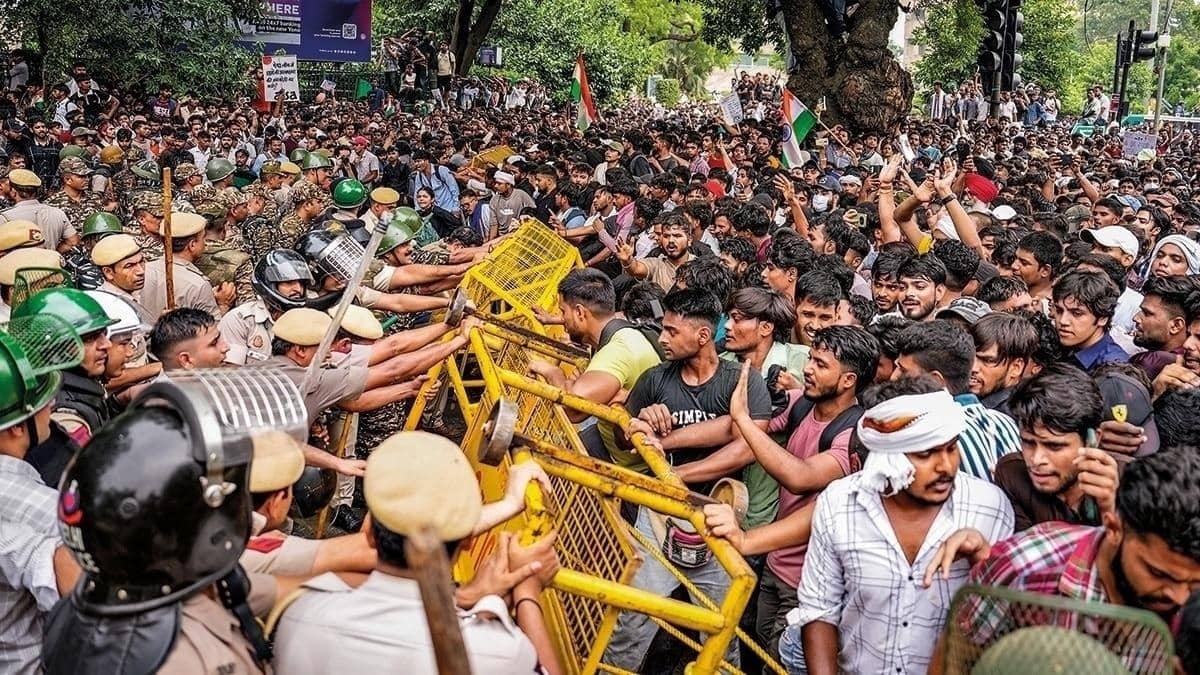
The demonstrations that unfolded in Delhi in early October 2026 were driven by a single demand: the resignation of Chief Election Commissioner Gyanesh Kumar. Citizens took to the streets to press for his removal.
The protest was convened by the Cockroach Janta Party, which announced a gathering at the historic Jantar Mantar site in New Delhi. The party’s call drew a crowd of demonstrators who assembled to voice their dissent.

#India: We are concerned by reports of mass detentions of demonstrators, protest leaders, members of civil society organisations, lawyers and journalists, before and during today’s large-scale demonstrations in Delhi. We call on the authorities to ensure that the right to peaceful assembly is fully respected and fulfilled. https://t.co/tqrQyZoXBJ
In anticipation of the rally, authorities issued prohibitory orders for the area and moved to shut down metro stations across New Delhi. These measures were imposed by authorities.
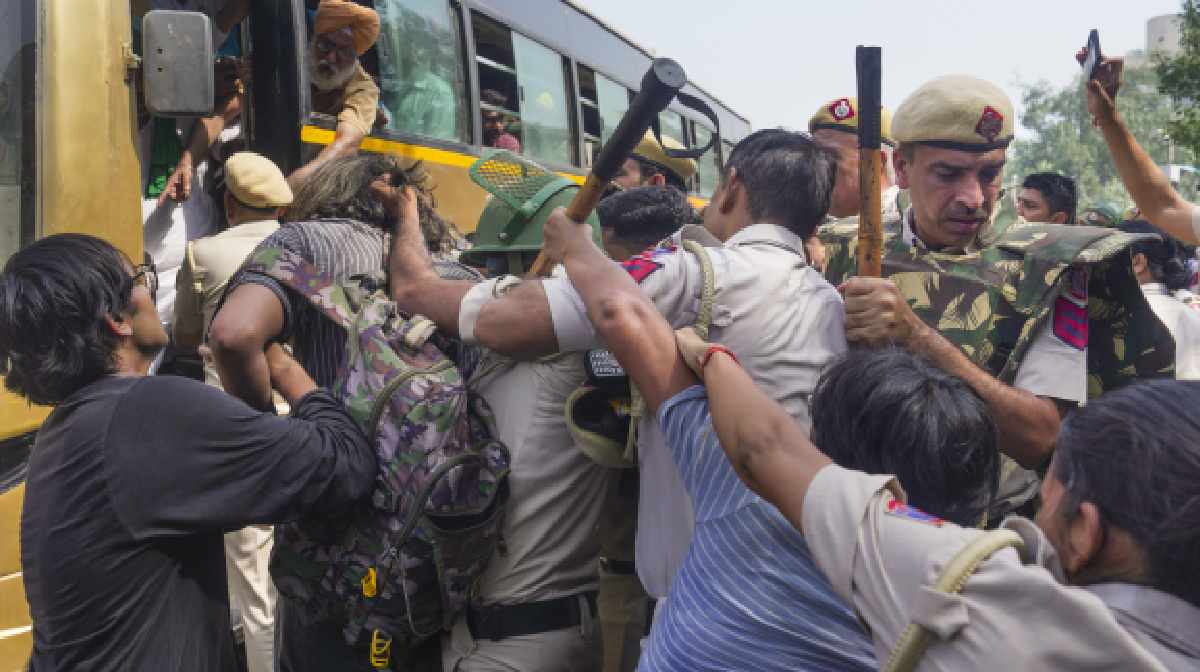
According to reports cited by the UN, around 7,000 individuals were detained in the city both before and during the protests.
According to reports cited by the UN, around 7,000 individuals were detained in the city both before and during the protests.

We have seen the OHCHR’s remarks about today’s events in New Delhi. India is the world’s largest democracy, where the right to peaceful assembly is guaranteed by our Constitution and safeguarded by robust institutions, an independent judiciary and a free media. As in every democracy, Indian citizens exercise this right subject to reasonable restrictions in the interest of public order. The authorities, for their part, act in accordance with the law, and our courts remain available to all for redressal of any grievances. The OHCHR’s concerns are therefore misplaced and constitute an unwarranted interference in the internal affairs of India. In this context, OHCHR would also do well to devote comparable attention to large-scale protests elsewhere, consistent with its mandate of impartiality and non-selectivity. @MEAIndia @IndianDiplomacy @PMOIndia @DrSJaishankar @abagchimea
On October 10, 2026, the UN Human Rights Office issued a statement expressing concern over the mass detentions. The office highlighted that the arrests had taken place amid the demonstrations demanding the CEC’s resignation.
Thameen Al-Kheetan, spokesperson for the UN Human Rights Office, said the office was "concerned by reports of mass detentions of demonstrators, protest leaders, members of civil society organisations, lawyers and journalists." He urged Indian authorities to respect the right to peaceful assembly and to ensure the immediate release of anyone arbitrarily detained.

India rejects UN human rights concerns, accuses rights office of double standards https://t.co/AgraGU8mac
India’s permanent mission to the United Nations in Geneva responded sharply, declaring that the OHCHR’s concerns were "misplaced and amounted to an unwarranted interference in India’s internal affairs." The mission emphasized that the right to peaceful assembly is guaranteed by the Indian Constitution and safeguarded by an independent judiciary, noting that citizens may exercise this right subject to reasonable restrictions for public order, a stance consistent with other democracies.
The exchange highlighted opposing views.