Following an announcement in late 2026, the Mumbai Indians confirmed a sweeping overhaul of the coaching staff that will steer the franchise into the 2027 Indian Premier League (IPL). The statement, released by the club’s management, framed the changes as a necessary step toward a "new direction" after a period of introspection. While the tone of the announcement was measured, the sheer scale of the shift—head coach replacement and the departure of three senior coaches—sent ripples through a fan base accustomed to continuity.
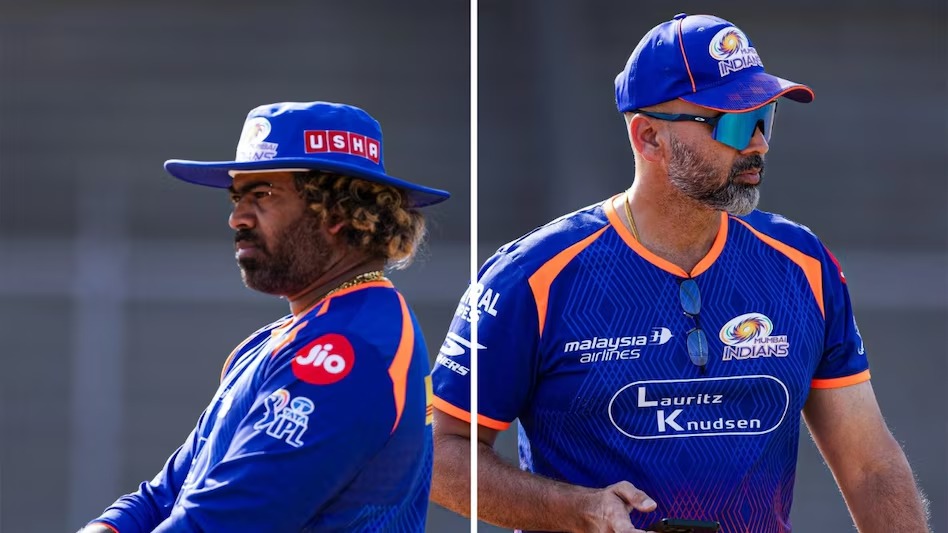
Among the names exiting the setup were former fast‑bowling legend Lasith Malinga, who had transitioned from a record‑breaking playing career to a bowling‑coach role. Alongside him left Paras Mhambrey, another specialist in fast‑bowling mentorship, and Carl Hopkinson, the fielding coach responsible for sharpening the side’s agility on the ground. The club’s statement expressed gratitude for their contributions, acknowledging the impact each had on shaping the squad’s skill set. For many supporters, Malinga’s departure felt especially poignant; his iconic sling‑action and later coaching insights had become part of the franchise’s identity.
The restructuring was anchored by the appointment of Kieron Pollard as head coach. A former Mumbai Indians all‑rounder and a key figure in the team’s earlier triumphs, Pollard brings a blend of on‑field experience to the top of the coaching hierarchy. His elevation marks a significant change in the coaching setup for the five-time champions as they look toward the upcoming season.
Others, however, voice a more critical tone, lamenting the loss of seasoned mentors like Malinga and expressing concern over the speed of the transition.
Reactions among the fan community have been mixed. Some commentators view the overhaul as a bold, forward‑looking decision that could rejuvenate a side that has seen its dominance wane in recent campaigns. Others, however, voice a more critical tone, lamenting the loss of seasoned mentors like Malinga and expressing concern over the speed of the transition. The underlying sentiment reflects a broader debate within Indian cricket about balancing reverence for past heroes with the need for innovation in a league that evolves each year.
Mumbai Indians entered the 2020s as the IPL’s most decorated franchise, boasting five championship titles. Their success was built on a combination of astute player acquisitions, a strong scouting network, and a stable coaching environment. By dismantling that environment, the club is betting that a refreshed leadership group can restore the winning formula.
The timing of the staff changes aligns with the league’s calendar. The franchise is expected to announce new coaching appointments before the mini‑player auction scheduled for December 16. Those appointments will likely be tailored to fill the gaps left by Malinga, Mhambrey, and Hopkinson. As the auction approaches, the Mumbai Indians will be under pressure to demonstrate that the new coaching framework can attract and develop talent capable of reclaiming the IPL throne.
In the weeks following the announcement, Mumbai Indians will be piecing together a revised support structure while scouting for players who fit the revamped philosophy. The club’s neutral stance—expressed through official communications—suggests a focus on the strategic direction, even as a segment of the fan base remains critical. As the 2027 IPL season looms, the effectiveness of this overhaul will be measured not just in wins and losses, but in how quickly the new coaching cadre can translate its ideas into on‑field performance.