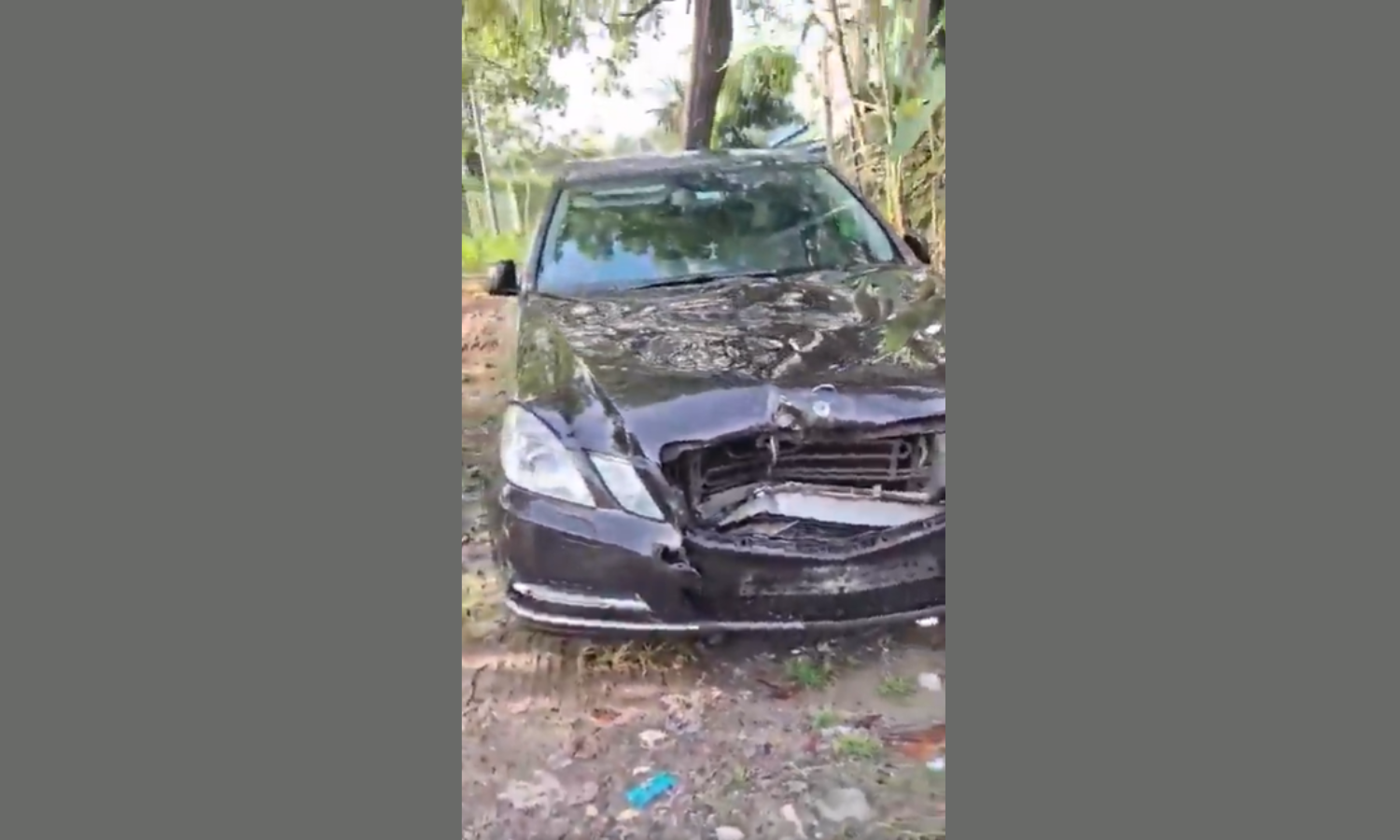
On the evening of October 29, 2026, two separate incidents unfolded in Kochi, Kerala, that would soon converge into a single, intensely scrutinized case. The first involved a 17-year-old driving a car who struck and killed a man in a hit-and-run. The second, occurring later that same day, involved a car driven by the 17-year-old son of an Additional District Judge. This vehicle collided with a two-wheeler, resulting in the death of a scooter rider. These events, though distinct, quickly became entangled in a web of legal maneuvering and public grief.
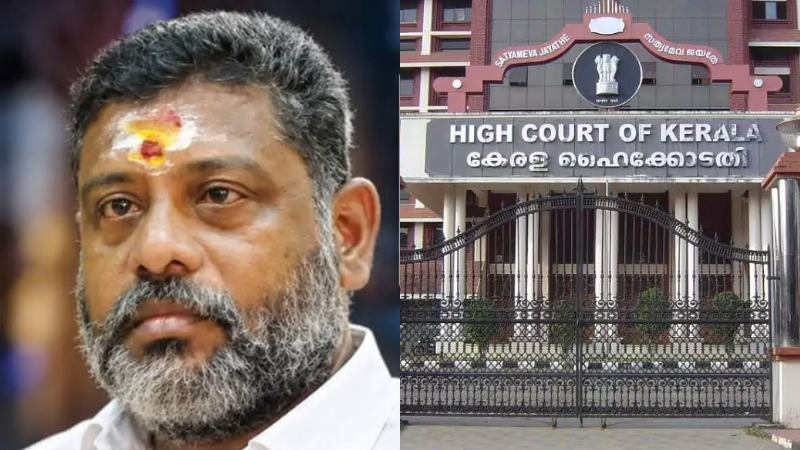
Following the incident, the Additional District Judge sought anticipatory bail – a request to the court to prevent arrest. This is a common legal strategy, allowing individuals to seek protection from immediate detention while investigations proceed. The judge’s legal team argued against the necessity of further interrogation or custodial questioning. This argument, however, was met with immediate resistance. Advocates representing the family of the deceased scooter rider voiced strong criticism, questioning the perceived preferential treatment afforded to a member of the judiciary. The family’s distress is understandable; the loss of a loved one is always devastating, and the circumstances here – involving a judge’s son and a subsequent attempt to preempt arrest – understandably fueled their anger.

‘Why is his arrest required?’: Kerala HC stays arrest of judge whose son was involved in Kochi Mercedes crash https://t.co/PVEVW7LQ8S
The Kerala High Court found itself at the center of the storm. The court examined the arguments presented by both sides. Senior counsel representing the judge emphasized the need to protect the judicial officer from undue harassment. The court, however, did not rule on the merits of the case itself, but rather on the process of investigation. It questioned whether further interrogation and custodial questioning of the judge were genuinely required at this stage. This is a crucial distinction. The court wasn’t deciding guilt or innocence, but whether the police’s investigative methods were justified.
While seemingly separate, the timing of both cases raised questions about the application of justice in Kerala.
The Kerala High Court ultimately granted interim protection from arrest to the Additional District Judge. This means the police are barred from arresting the judge until further orders from the court. The judge was directed to appear before the investigating officer on a specified date, a condition intended to balance the need for investigation with the court’s concerns about potential overreach. The court’s decision sparked immediate controversy. The family of the deceased expressed their outrage, arguing that the judge was being shielded from accountability. They believe the intervention undermines the principle of equal justice under the law.

“No need to arrest if he cooperates.” The Kerala High Court has stayed the arrest of the judge booked in the Kochi Mercedes crash case and directed him to appear for questioning. Kochi Mercedes Crash Case: Judge Gets Interim Protection From Arrest https://t.co/aDuNC77UDK
Adding another layer to the unfolding drama, the 17-year-old driver involved in the earlier hit-and-run incident also received a favorable outcome from the Kerala High Court. He was granted anticipatory bail, again pending further investigation. While seemingly separate, the timing of both cases raised questions about the application of justice in Kerala. The court’s decisions, taken together, appeared to some to demonstrate a leniency towards those with connections to the legal system.
This case resonates with past instances where legal professionals have faced scrutiny over alleged misconduct. The Punjab and Haryana High Court, for example, has dealt with similar controversies. While the specifics differ, the underlying theme – the perception of a two-tiered justice system – is consistent. The incident in Kochi has ignited a broader debate about the accountability of judicial officers and the need for transparency in the legal process. The court’s actions, while legally permissible, have undoubtedly fueled public skepticism.

#NDTVExclusive | "I have already given instruction to the police to take up this case in the higher court to cancel the bail," says Keralam Home Minister Ramesh Chennithala (@chennithala) as Kerala Judge gets pre-arrest bail in Kochi Mercedes crash case @ShivAroor https://t.co/843lEI0D9L
As of now, the Additional District Judge remains protected from arrest, pending further proceedings. The 17-year-old son is still under investigation for the fatal car crash. The police investigation continues, but the court’s intervention has undeniably complicated the process. The case has become a focal point for discussions about privilege, justice, and the role of the judiciary in upholding the law. The outcome will likely have significant implications for public trust in the legal system in Kerala and beyond.