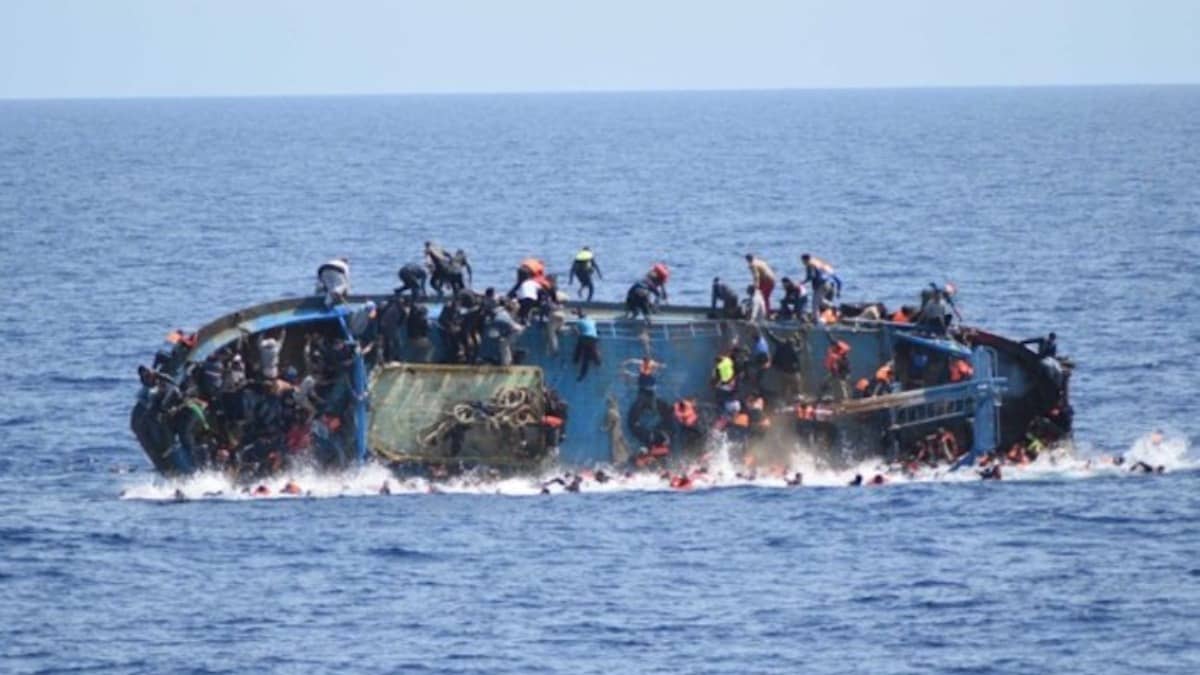
On 1 October 2026, a vessel carrying migrants from Djibouti to Yemen capsized, resulting in the deaths of fifty‑two men, forty‑two women and fifteen children. The loss amounted to more than one hundred lives, with children representing a notable share of the victims.
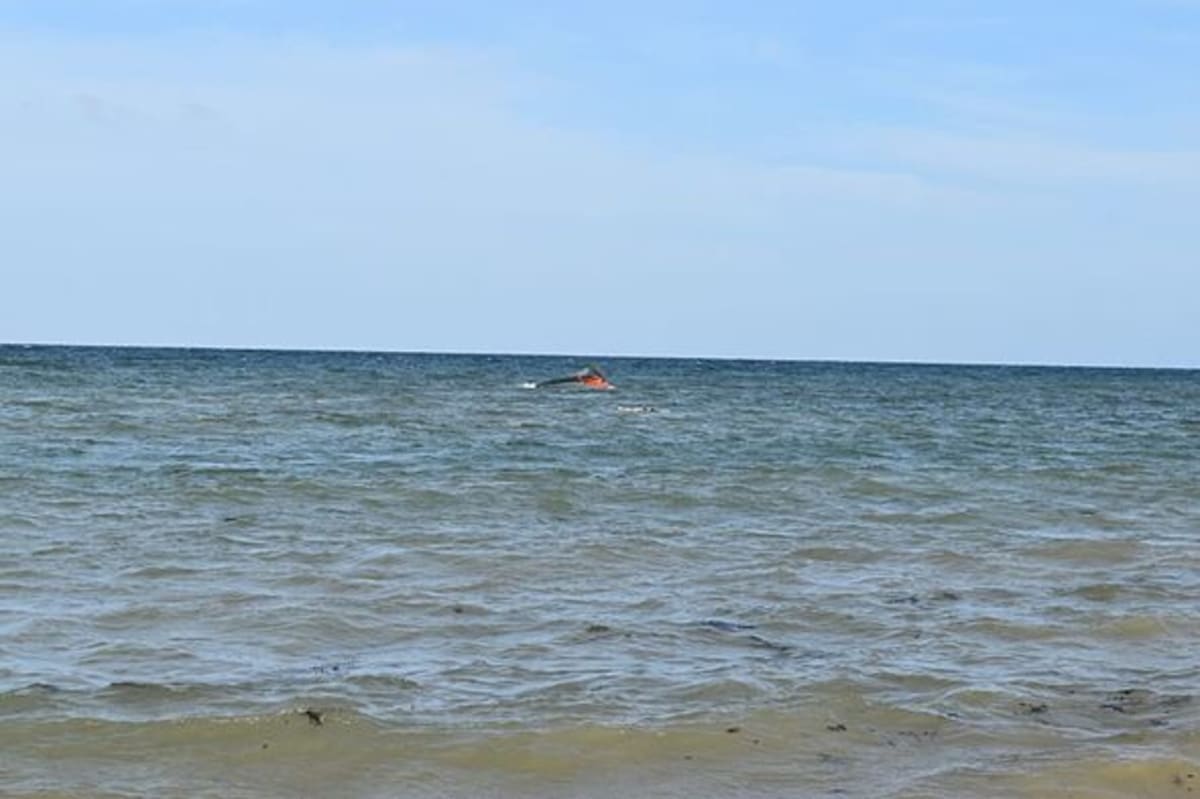
The following day, 2 October 2026, rescue efforts accounted for more than eighty people who had survived the accident. Their survival stood in stark contrast to the high fatality count recorded just hours earlier.
By 4 October 2026, authorities reported that over 116 others remained unaccounted for. The growing number of missing persons suggested that the final toll could rise as search operations continued.
By 4 October 2026, authorities reported that over 116 others remained unaccounted for.

109 migrants, including 15 children dead after boat from Djibouti to Yemen capsizes, UN agency says https://t.co/qWWzq6kHsq https://t.co/qWWzq6kHsq
Amid the unfolding tragedy, Alexandre Coissac offered a mix of critical, supportive and neutral remarks. He summed up the sentiment with the words, “This is a devastating loss of life,” underscoring the profound human cost of the incident.
The capsizing serves as a stark reminder of the perils faced by those undertaking the Djibouti‑to‑Yemen crossing, leaving families and communities grappling with grief, hope for the rescued, and uncertainty about those still missing.

At least 139 migrants dead, including some children, after boat from Djibouti to Yemen capsizes, UN agency says https://t.co/7DQGf0iOxC