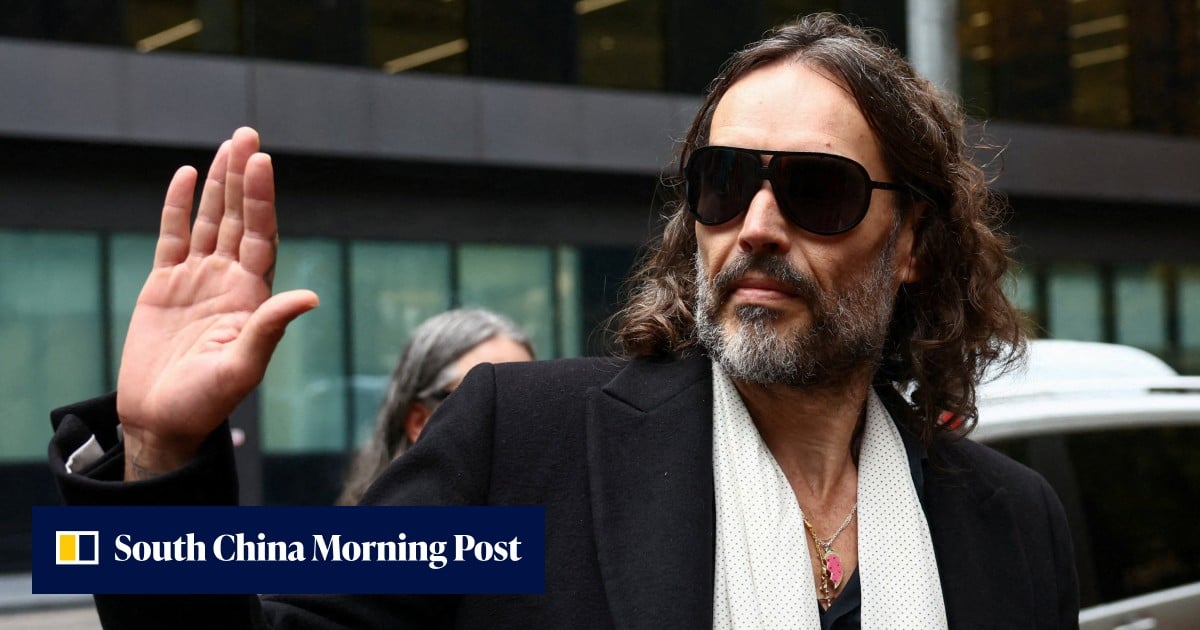
In a courtroom in London, the trajectory of a life once defined by comedy and public influence met a sudden, stark redirection. Russell Brand, the 51-year-old British comedian and actor, has been found guilty of rape and sexual assault. The verdict, delivered by a jury, follows a legal process that has fundamentally altered the public perception of a man who once stood at the center of cultural discourse. The conviction includes one count of rape and three counts of sexual assault, involving four women.

The prosecution's case painted a portrait of a man who leveraged his position in the spotlight to target others. Detective Superintendent Andy Furphy characterized the conduct behind the charges as an abuse of power, stating that Brand used his influence, status, and fame to exploit and sexually offend against women. This perspective framed the legal proceedings not just as a series of isolated incidents, but as a systemic use of celebrity to facilitate misconduct.

Russell Brand Found Guilty As 'Only Three Rapes' Defense Fails https://t.co/SOVQcRezRd
During the proceedings, the language used by the prosecution was unflinching. One prosecutor described Brand as a "ruthless, calculating, manipulative ‘sexual predator’."
Reflecting on the gravity of the situation, he stated, "My entire life has been consumed by these events, these allegations, these accusations.
This characterization sought to strip away the veneer of the entertainer, replacing it with the image of a predator who operated with intent.
While the convictions were significant, the jury's decision was not absolute across all counts presented. Brand was acquitted of two counts of rape and one count of attempted indecent assault. This distinction highlights the rigorous nature of the legal standard required for conviction, where the jury weighed the evidence for each specific charge independently. Despite the acquittals on certain counts, the weight of the remaining convictions—one rape and three sexual assaults—remains the defining outcome of the trial.
As the trial unfolded, the defense attempted to humanize the accused. Among those who stood by him was Laura, Brand's wife, who testified as a character witness in his defense. Her presence in the courtroom served as a personal counter-narrative to the prosecution's depiction of a calculating predator, attempting to provide a glimpse into the man behind the public persona.
For Brand himself, the legal saga has been an all-consuming experience. Reflecting on the gravity of the situation, he stated, "My entire life has been consumed by these events, these allegations, these accusations."
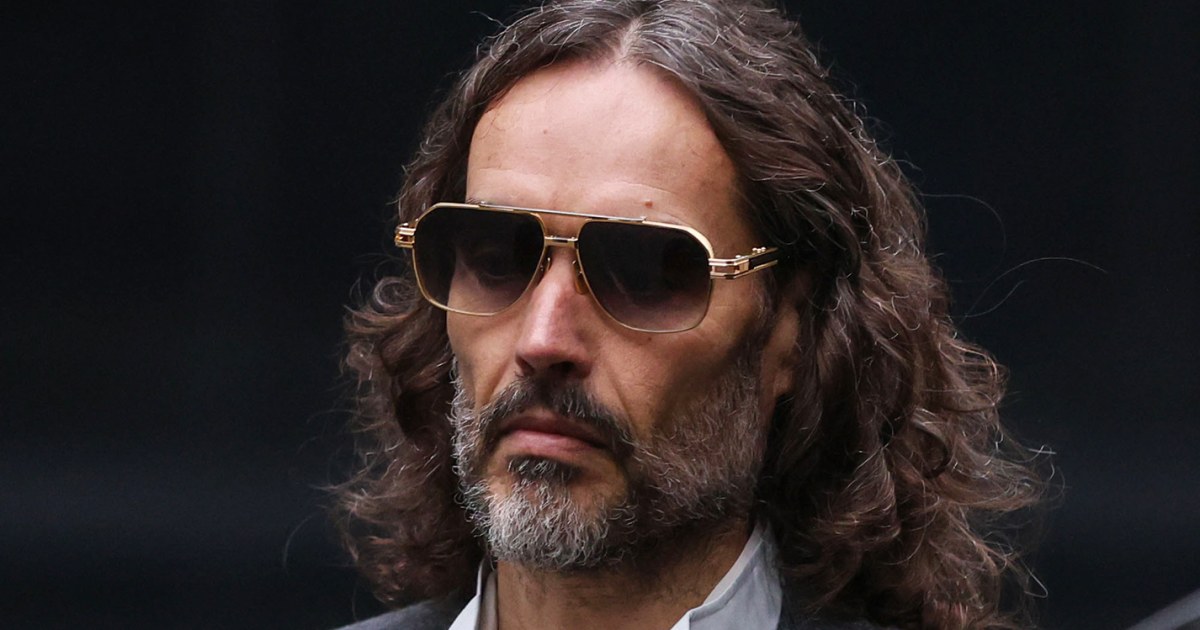
This sentiment captures the totalizing nature of high-profile criminal proceedings, where the legal defense and the public fallout merge into a single, inescapable reality. The impact on his life and career has been described as significant, marking a definitive break from his previous standing in the entertainment industry.
With the verdict secured, the focus of the court has shifted from guilt to the consequences of that guilt. The legal process now moves toward the sentencing phase, where the severity of the punishment will be determined. The judicial perspective on the gravity of the crimes is already clear.
Judge Joel Bennathan noted the inevitability of a custodial sentence, stating that Brand will receive a prison term when he is sentenced on Monday. The judge further emphasized the scale of the upcoming punishment, noting that Brand faces a “significant” prison term.
As the legal proceedings move toward Monday's sentencing, the case stands as a landmark moment regarding the intersection of celebrity and accountability. The conviction of a figure as recognizable as Russell Brand serves as a stark reminder of the consequences that follow when influence is used to exploit. For now, the comedian awaits a decision that will determine the length of his time behind bars, marking the final chapter of his current public life.