
In Urda, Toledo, a train traveling from Mora to Orgaz was involved in a catastrophic accident. The incident involved the last carriage of an Iryo train and the head carriage of an AVE. In the wreckage, at least 68 people lost their lives, including Fátima Báñez, a former Spanish Minister of Employment and Social Security.
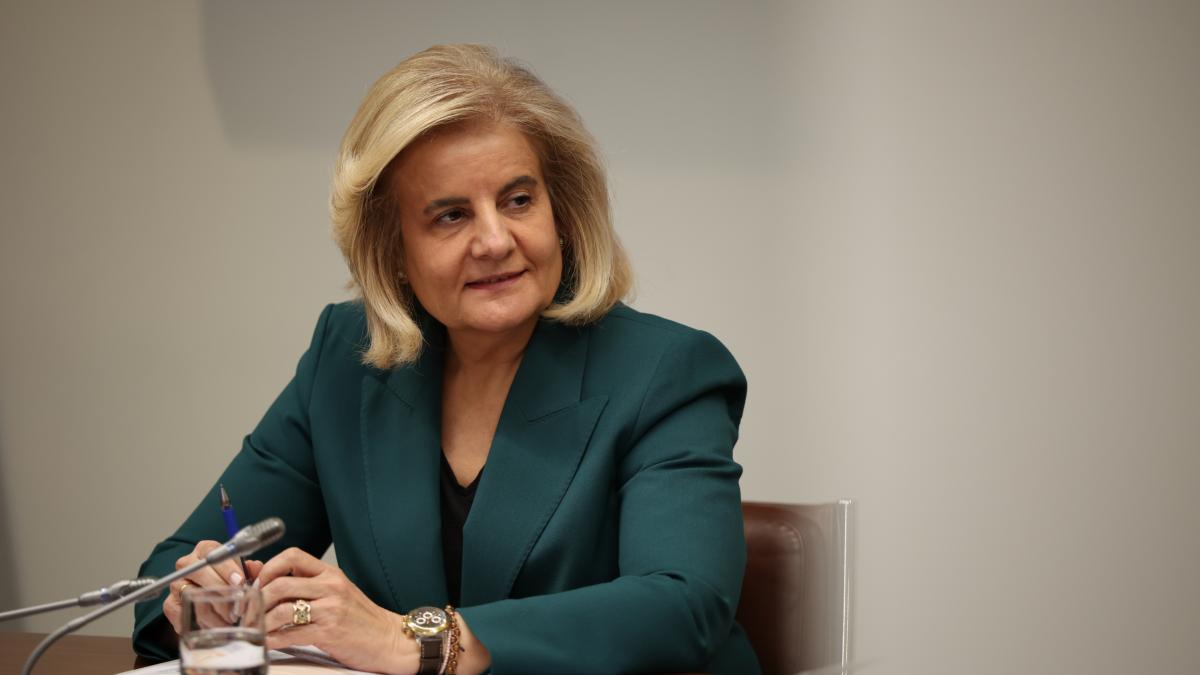
Báñez was on her way to a business event in Seville when the accident struck.
Báñez’s most enduring impact came during the Great Recession. In 2012, she championed a labor reform that sought to revive Spain’s job market. The reform’s most debated provision altered the indemnity for wrongful dismissal of new indefinite contracts: it reduced the period from 45 days to 33 days per year worked. This change, designed to change the rules of employment and collective bargaining, has sparked ongoing debate.
The crash that claimed Báñez’s life involved a collision between two high-speed train types.
She served as the Minister of Employment and Social Security under Mariano Rajoy’s government, and her policies were credited with helping stabilize the Spanish economy during a difficult period.
The crash that claimed Báñez’s life involved a collision between two high-speed train types. The scale of the disaster—at least 68 confirmed deaths—has caused significant distress among her political and business colleagues.
The Confederación Española de Organizaciones Empresariales (CEOE), the organization Báñez had headed, expressed deep sorrow over her death and extended condolences to the families of the victims.
Since 2020, Báñez had served as president of the CEOE Foundation. Her leadership there was marked by her role as a key figure in the government during Mariano Rajoy’s tenure.
The 2012 reform’s indemnity change—from 45 days to 33 days—continues to be a point of contention in labor negotiations.