In 2022, LIV Golf was born with a bang, backed by a $5 billion investment from Saudi Arabia's Public Investment Fund (PIF). The league aimed to revolutionize professional golf, offering bigger paydays and a more glamorous lifestyle for players. The first edition of LIV Golf, held in 2022, featured stars like Bryson DeChambeau, Dustin Johnson, and Cameron Smith. However, the league quickly ran into trouble when PIF announced it would end its financial backing after the 2026 season. This development set the stage for the league's ongoing struggles.

In an attempt to keep the league afloat, LIV Golf sought to relaunch with a new financial structure. BC Partners Credit, a private equity firm, stepped in with a $300 million commitment. This was seen as a lifeline for the struggling league, with hopes of securing additional player commitments to bolster the new iteration. However, the deadline for player commitments came and went, and the league failed to secure the necessary support.

We have confirmed @TheAthletic that LIV Golf will be pivoting to a wind down, per multiple sources briefed on the matter. BC Partners feels as though it has run out of time to make LIV 2.0 viable. The news was first reported by @sindap of @FT. https://t.co/66sVw8TJA4
The critical deadline for player commitments arrived. According to sources, only three players publicly committed to the new iteration, while at least 30 others indicated interest. This was far short of the league's expectations. The absence of high-profile players like Bryson DeChambeau, Jon Rahm, and Sergio Garcia was a major blow. BC Partners noted that player support was critical, and without it, the business model could not function.
The state government of South Australia, which had previously supported the league, indicated it would not pay for an event without the necessary player support.
BC Partners Credit's withdrawal of its $300 million commitment was a devastating blow to LIV Golf. The firm cited the failure to secure sufficient player commitments as the reason for its decision. This move came after the league had already filed for Chapter 11 bankruptcy protection. The filing was an attempt to reorganize the league's debts and operations, but the loss of BC Partners' backing made it impossible to continue.

What happens to Bryson, DJ, Phil? Is this officially the end? Was LIV good or bad for golf? And many many more questions, we dive into the answers. A: https://t.co/HQ8ZjyEUIF S: https://t.co/HLXEk3ZQuB https://t.co/T5CkyOyRZ8
With BC Partners and PIF both withdrawing their support, LIV Golf's future became uncertain. The league's bankruptcy filing had been a last-ditch effort to find a way to survive. However, the lack of player support and the financial backing meant that the league was unable to secure the necessary resources to continue. The state government of South Australia, which had previously supported the league, indicated it would not pay for an event without the necessary player support. This further cemented the league's fate.
LIV Golf appeared at a hearing in a New Jersey bankruptcy court to discuss various matters. The hearing was to address the league's reorganization and find a new financial structure. However, the absence of key players and the financial backing made it clear that the league was facing imminent collapse.

In the end, LIV’ Golf's players weren’t buying it either https://t.co/pLuCeebyll
The final days of LIV Golf were marked by a series of events that spelled the end of the league. The league announced that it would file for bankruptcy protection. This was the culmination of a series of setbacks, including the withdrawal of BC Partners' and PIF's support. The league's attempt to continue operations while reorganizing was met with skepticism, as the absence of marquee names and the financial backing made it clear that the league was doomed.
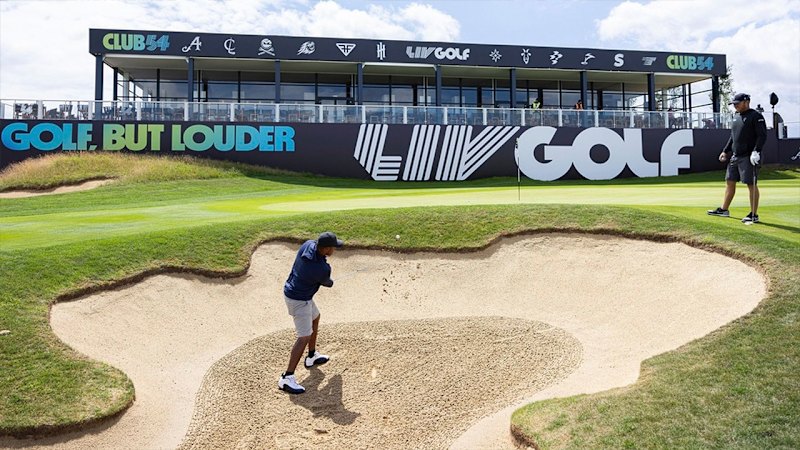
LIV Golf's collapse is a stark reminder of the complexities of modern sports finance. The league's initial success was built on a foundation of large-scale investments and high-profile players. However, the failure to secure sufficient player commitments and the withdrawal of financial backing from key investors led to the league's downfall. The future of LIV Golf is uncertain, with the league now facing a complete wind-down. The liquidation process is expected to commence in a New Jersey bankruptcy court, marking the end of an ambitious but ultimately unsuccessful venture.
LIV Golf's rise and fall is a cautionary tale in the world of professional sports. The league's initial success was built on a foundation of large-scale investments and high-profile players. However, the failure to secure sufficient player commitments and the withdrawal of financial backing from key investors led to the league's downfall. The collapse of LIV Golf serves as a reminder of the delicate balance required to sustain a professional sports league in today's complex financial landscape.