
On November 4, 2026, the inner workings of the Nepalese government took a decisive turn during an unscheduled cabinet meeting. In a move that rippled through the nation’s security apparatus, the government officially removed Dan Bahadur Karki from his post as the Inspector General of Police (IGP). The decision was not merely a dismissal; it was a strategic reassignment. Simultaneously, the cabinet appointed Karki to a new role as an advisor to the Prime Minister’s Office, effectively moving him from the front lines of law enforcement into the heart of the executive branch.
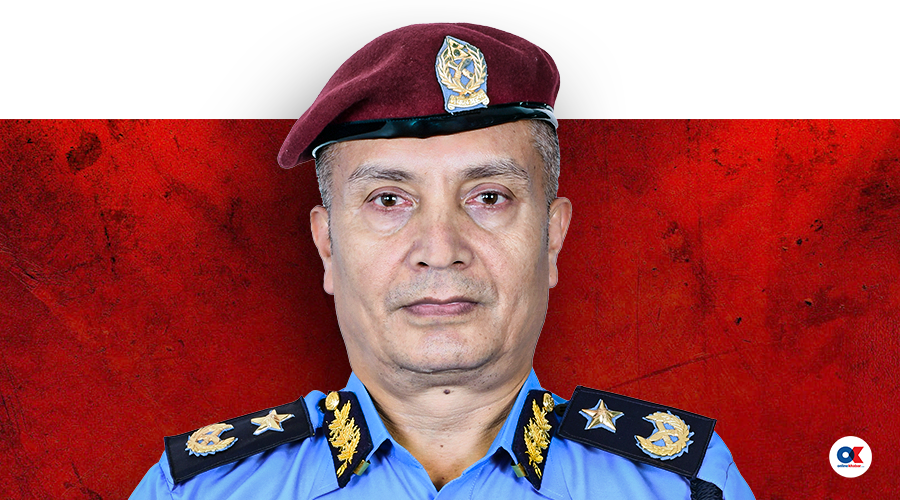
Karki’s time at the helm of the Nepal Police had been anything but quiet. Since his appointment as the chief of the force on November 10, 2025, his leadership faced persistent headwinds. Observers and critics alike pointed to a series of controversial incidents that cast a shadow over his command. Central to these concerns were allegations of irregularities regarding procurement processes and the fundamental command and control of the police force. These issues were compounded by a perception that Karki’s operational decisions were too closely tethered to the directives of the Prime Minister’s Secretariat, raising questions about the autonomy of the police in a democratic system.
As news of the transition spread, officials were quick to frame the move as a administrative realignment rather than a punitive measure. Sasmit Pokharel, speaking on the nature of the transition, urged the public to view the development through a specific lens: "Please do not take this as action. It is only a change of responsibility." This distinction is significant in the context of Nepalese governance, where the movement of high-ranking officials often carries heavy political weight.
To fill the void left by Karki’s departure, the Mantiparishad—the Council of Ministers—moved swiftly to install new leadership.
To fill the void left by Karki’s departure, the Mantiparishad—the Council of Ministers—moved swiftly to install new leadership. On the same day as the cabinet meeting, Manoj Kesari was appointed as the new Inspector General of Police. This appointment was part of a broader reshuffling of the security hierarchy. In a related move, the cabinet also appointed Manoj Keshar as an Additional Inspector General of Police (AIGP). The dual focus on these appointments reflects a government intent on strengthening security arrangements amid the current, complex circumstances facing the country.
The decision to remove Karki and reassign him was not taken lightly. Reports indicate that the Ministry of Home Affairs and the cabinet reached this conclusion only after careful consideration of the legal implications. By transitioning Karki into an advisory role, the government effectively neutralized the immediate friction surrounding his command while maintaining his presence within the Prime Minister’s orbit. This maneuver highlights the delicate balance the government must strike between maintaining operational control of the police and managing the political fallout of leadership controversies.
As Manoj Kesari steps into the role of IGP, the Nepal Police faces a period of transition. The removal of Karki, which followed a previous cabinet decision on March 22, 2026, to assign him new responsibilities, serves as a reminder of the volatility inherent in the country’s top security posts. For now, the government’s focus remains on stabilizing the force and ensuring that the new leadership can navigate the challenges that derailed the previous administration. Whether this change will restore public confidence in the autonomy of the police remains to be seen, but for the moment, the government has signaled a clear intent to reset the command structure.