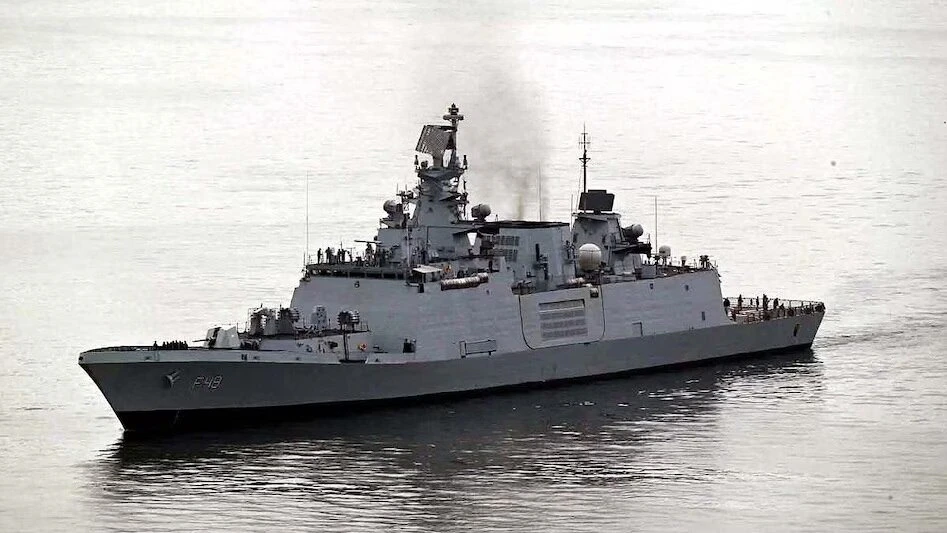
The Cabinet Committee on Security, under the leadership of Prime Minister Narendra Modi, formally approved a massive Rs 40,000-crore project to construct eight next-generation corvettes for the Indian Navy. This decision marks a pivotal moment for the nation's naval capabilities, signaling a move toward a more robust, technologically advanced surface fleet designed to meet the complex security challenges of the modern era.
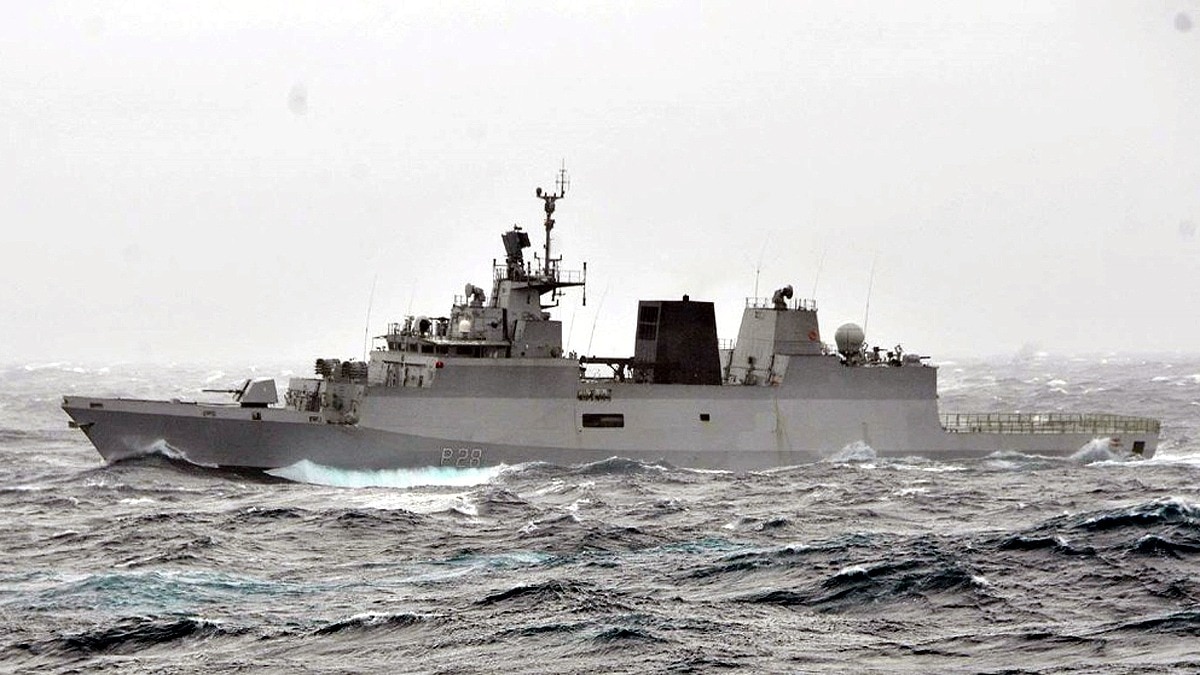
The vessels at the heart of this project are not merely additions to the existing fleet; they are designed as high-speed, multi-role platforms. Their design allows them to undertake a wide variety of maritime security missions, providing the Indian Navy with the flexibility required to patrol, defend, and project power across diverse maritime environments.
Beyond the tactical advantages, the project is a cornerstone of India's push for self-reliance in defense manufacturing. A defining feature of this contract is the requirement that over 70% of the materials used in construction must be indigenous. By mandating such a high level of local content, the government is not only upgrading the Navy's hardware but also fostering a domestic ecosystem of suppliers and engineers. This shift toward 'Make in India' in the defense sector is expected to have a ripple effect, creating thousands of direct and indirect jobs across the country.
The approval of this project is deeply intertwined with the broader 'SAGAR' vision—an acronym for Security and Growth for All in the Region.
The construction of these eight warships will be a collaborative effort between two major government-owned shipyards. The order will be distributed between Garden Reach Shipbuilders and Engineers (GRSE) in Kolkata and Goa Shipyard Limited (GSL) in Goa. By leveraging the expertise of these two established entities, the government aims to streamline the production process while ensuring that the technical requirements for these sophisticated stealth ships are met with precision.
The approval of this project is deeply intertwined with the broader 'SAGAR' vision—an acronym for Security and Growth for All in the Region. This policy framework guides India's maritime strategy, emphasizing the importance of securing the Indian Ocean region and fostering cooperative growth with neighboring nations. By enhancing the operational capabilities of the Indian Navy, these eight new corvettes serve as a physical manifestation of this strategic commitment, ensuring that India remains a reliable security provider in the region.
As the project moves from the planning stage to the shipyard floor, the focus remains on the long-term impact of this investment. The Rs 40,000-crore allocation is a substantial commitment, reflecting the government's prioritization of naval modernization. For the Indian Navy, these ships represent a leap forward in operational readiness. For the domestic shipbuilding industry, they represent a sustained period of activity and technological advancement. As construction begins, the project stands as a clear indicator of India's intent to maintain a modern, capable, and self-reliant naval force in the years to come.