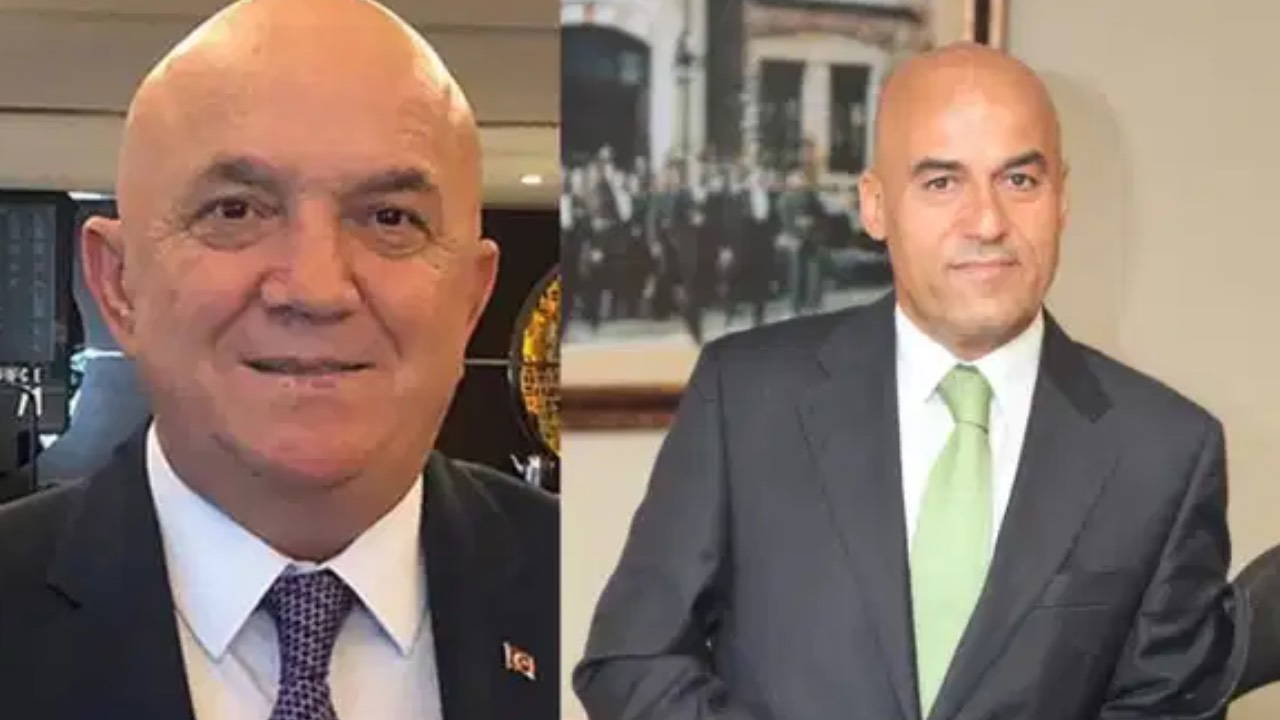
On October 26, 2026, Istanbul’s streets saw a coordinated sweep that would soon dominate the city’s headlines. Twelve individuals were taken into custody by the Istanbul Cumhuriyet Başsav+-+-iciağılığı, the public prosecutor’s office, as part of a broader corruption inquiry that has been gathering steam for months. Among those detained was Sofu Altınbaş, a name that has now become synonymous with the sprawling financial scandal dubbed the ‘Sarıgül’ case.

The term ‘Sarıgül’ – literally ‘yellow rose’ – emerged in court filings as a shorthand for a complex web of alleged money-laundering activities. Prosecutors allege that a network of thirteen people, including Altınbaş, Oktay Özkan, Temel Aygün, Eyüp Ensar Saral, Hulki Şavkጚn, Seyfettin Tayfun Kahyaoᇱlu, Eyüp Birgün, Erhan Naci İşözen, Kenan Malkoç, Selami Cengiz, Ramazan Argün and İbrahim Avcı, were orchestrating the movement of vast sums through a series of opaque companies.
At the heart of the investigation lie two German nationals, identified only by their initials K.P. and M.B. According to the indictment, these individuals used companies they established both within Turkey and abroad to funnel money of uncertain origin. The prosecutors’ dossier claims that K.P. and M.B. were instrumental in setting up the financial architecture that enabled the alleged laundering.
Following their arrest, the thirteen suspects were transferred from police custody to the Istanbul courthouse for formal arraignment.
The financial dimensions of the case are staggering. Documents submitted to the Istanbul Adliye (courts) detail a series of transactions that, if proven, would represent some of the largest illicit flows ever recorded in the country:
An 80 million euro contract allegedly signed under dubious circumstances. A subsequent 100 million euro wire transfer that moved funds across borders. A promised 1 billion euro fund withdrawal, allegedly facilitated by leveraging state power and influence to secure credit abroad. A 1.5 million euro sale of a luxury boat, cited as a conduit for moving money out of the country.
These figures are not merely abstract; they illustrate the scale of the alleged operation and the depth of the alleged collusion between private actors and public officials.
Following their arrest, the thirteen suspects were transferred from police custody to the Istanbul courthouse for formal arraignment. The prosecutor’s office presented the charges, emphasizing that the accused had used a series of shell companies to obscure the source of the funds. The court’s decision to send Altınbaş and twelve others to the Istanbul Adliye for questioning marked a critical procedural step, signaling that the investigation had moved from the investigative phase into the judicial arena.
One of the more contentious aspects of the case is the claim that the conspirators exploited ‘public power and influence’ to facilitate the outflow of money. Prosecutors argue that this maneuver involved manipulating governmental channels to facilitate the outflow of money, a charge that, if substantiated, could have serious implications for state institutions.
As of the latest court session, the thirteen individuals remain under judicial scrutiny. The prosecution continues to compile evidence linking the German nationals K.P. and M.B. to the alleged financial maneuvers. The case will likely set a precedent for how Turkey handles large-scale money-laundering allegations involving both domestic actors and foreign nationals.
Beyond the courtroom, the case reverberates through Turkey’s business community and its international partners. If the allegations prove true, they could prompt a reevaluation of corporate governance standards, especially concerning cross-border transactions and the transparency of company formations. The involvement of German citizens adds a diplomatic dimension, potentially prompting closer cooperation between Turkish and European authorities in combating money-laundering.