For months, the conflict between Ukraine and Russia has increasingly spilled over into the skies above Moscow. What began as a ground war has evolved into a sophisticated campaign of aerial attrition, with Ukraine deploying drones to challenge the perceived security of the Russian capital. On October 23, 2026, this strategy reached a new level of intensity when the Ukrainian military launched a massive strike using 155 drones, forcing a dramatic and immediate response from Russian authorities. The sheer scale of the assault—which saw 17 drones shot down—highlighted the vulnerability of major infrastructure that had previously been considered far from the front lines.
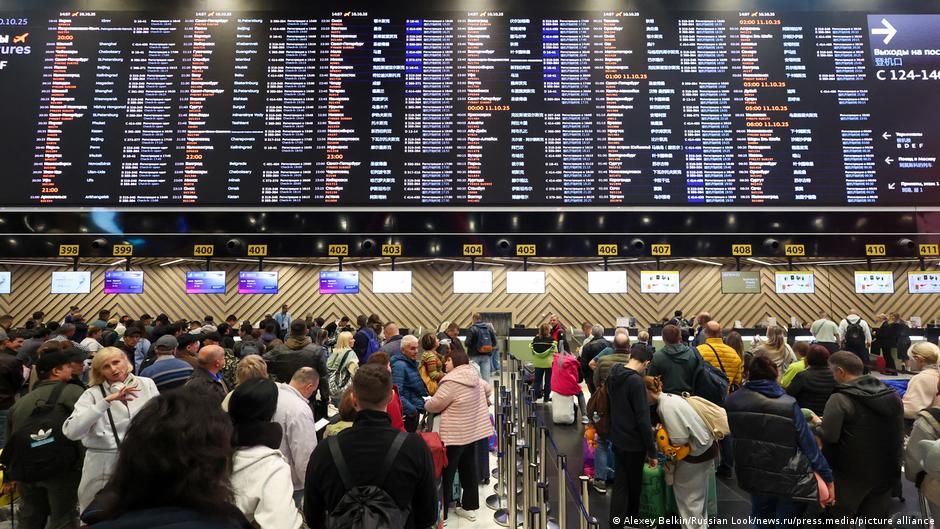
As the drones swarmed toward the city, the impact on civilian life was instantaneous. Russia’s Federal Air Navigation Service was forced to announce the temporary closure of four Moscow airports, effectively paralyzing the city’s ability to connect with the outside world. The move was not merely a precautionary measure but a stark admission of the threat posed by the incoming barrage. For a brief, chaotic period, the skies over one of the world’s largest metropolitan areas were cleared of all commercial traffic, as authorities scrambled to manage the security crisis.

Aeroflot globe sign on the roof of the Arbat Restaurant in Moscow, 1977. https://t.co/DUz74wD79Q
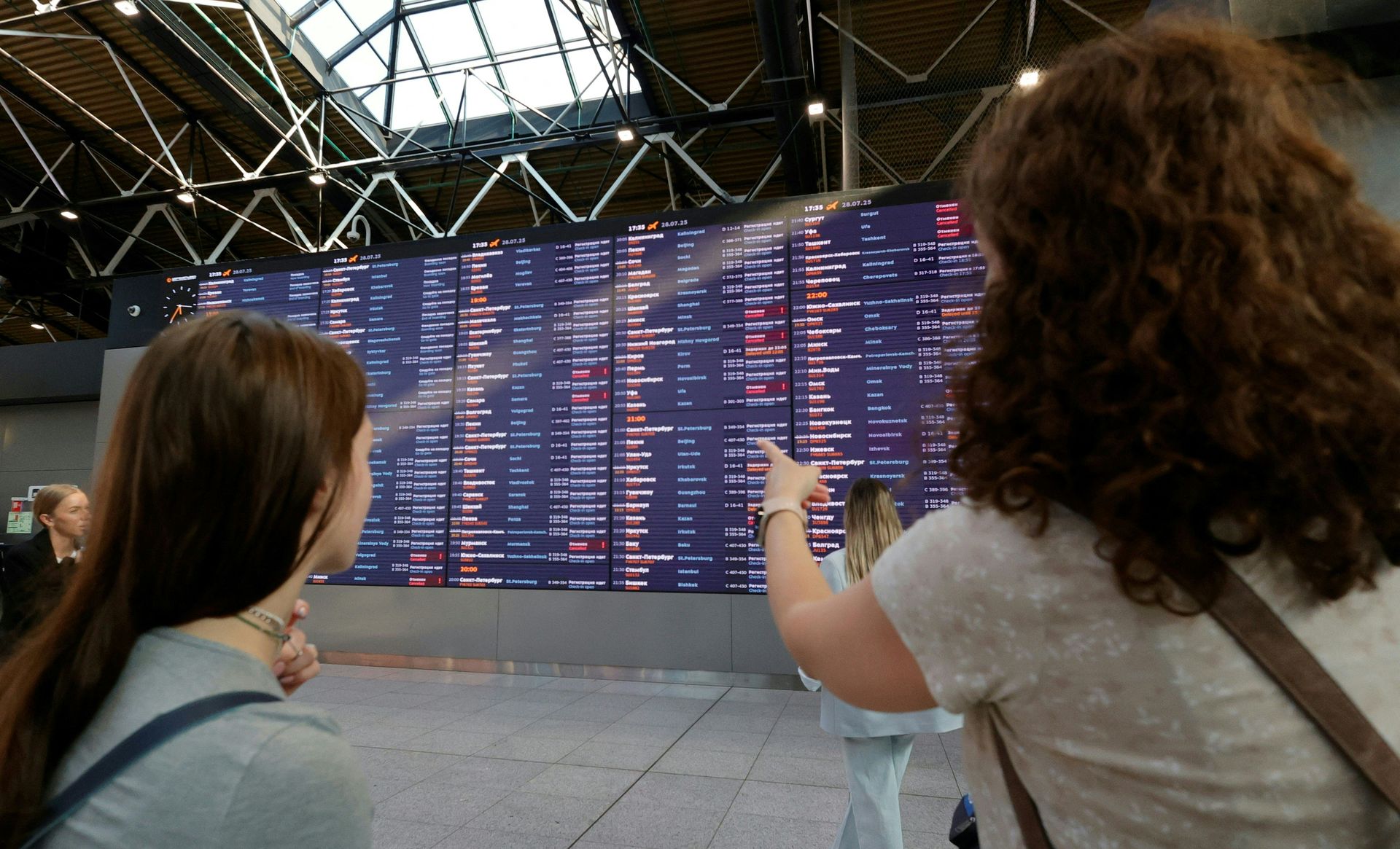
Inside the terminals, the reality of the war manifested in the form of air raid alerts. At Sheremetyevo Airport, one of the primary gateways to the city, the atmosphere shifted from the mundane routine of travel to the urgency of survival. Passengers were forced to seek shelter as the alert sounded, turning departure lounges into makeshift bunkers. Airport staff and airline personnel, caught in the middle of a strategic military maneuver, were tasked with maintaining order while managing the flow of information to a confused and frightened public. The airport advised passengers to verify their flight details meticulously, though for many, the priority had shifted from reaching a destination to simply navigating the immediate danger.
President Zelenskyy has used these developments to issue a blunt, public warning to the international community.
Military analysts have long pointed to the potential for Ukraine to disrupt Russian air traffic, specifically noting the existence of the 'carpet' plan. This protocol is designed to completely seal off airspace when a significant threat is detected, effectively grounding all movement to prevent collisions or further strikes. The events of October 23 demonstrated that this is no longer a theoretical exercise. The ability of Ukrainian forces to force the activation of such protocols suggests that the safety of Russian airspace is now a variable that can be manipulated from Kyiv, rather than a constant guaranteed by the Russian state.
President Zelenskyy has used these developments to issue a blunt, public warning to the international community. Addressing airlines, insurers, and travelers, he stated that Ukraine intends to make Russian airspace completely unsafe for any entity that continues to utilize major Russian airports. This is a strategic attempt to isolate the Russian aviation sector, framing the use of these airports not as a standard business transaction, but as a risk that global markets can no longer afford to ignore. Since the start of the invasion in 2022, Russian airspace has been largely closed to Western traffic, but Zelenskyy’s message aims to solidify this isolation, targeting the remaining infrastructure that keeps the country connected to its few remaining partners.
By the end of the day on October 23, the immediate crisis had begun to subside. The air raid alert at Sheremetyevo was canceled, and the airport began the slow process of resuming normal operations. Restrictions for both Sheremetyevo and Zhukovsky airports were lifted, allowing the flow of aircraft to resume. Yet, the sense of permanence that once defined these transit hubs has been irrevocably altered. While the planes are flying again, the events of the day serve as a reminder that the war is no longer confined to the trenches. In a broader context, these strikes occur alongside other ongoing efforts to manage the conflict, such as the recent exchange of 270 military prisoners. As the situation stands, the skies over Moscow remain a contested space, where the next alert could ground the city at a moment’s notice.