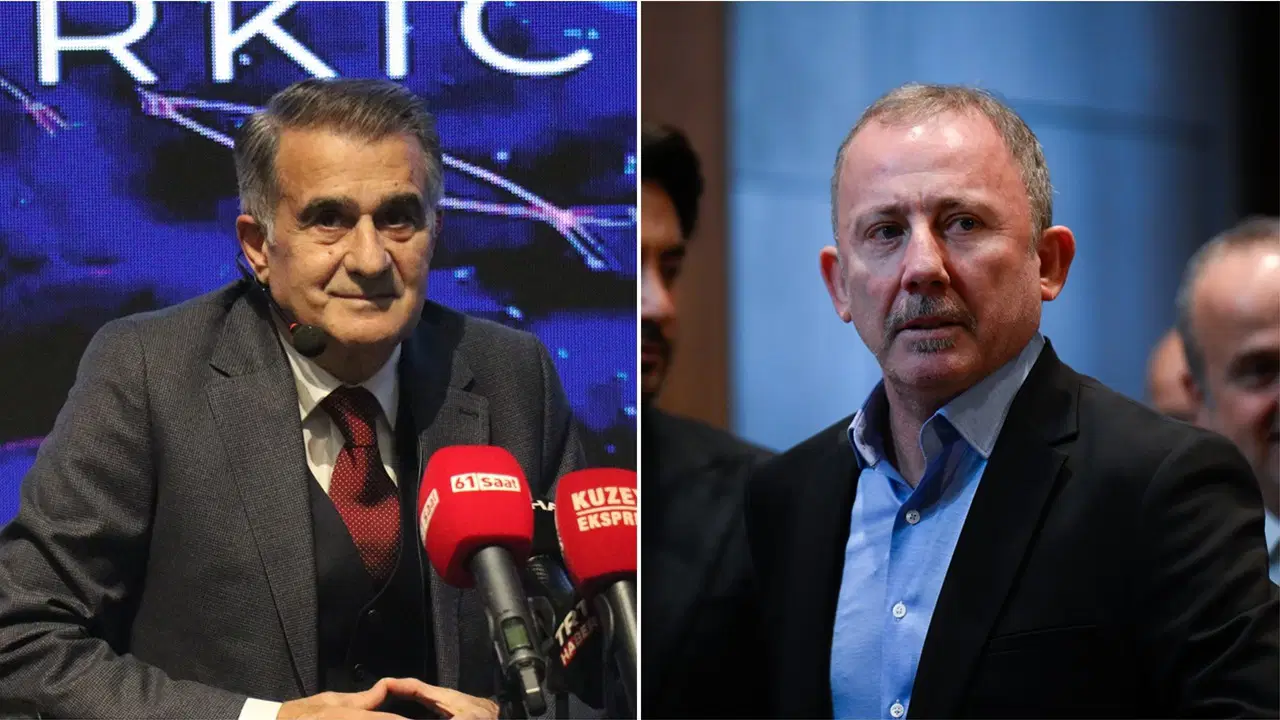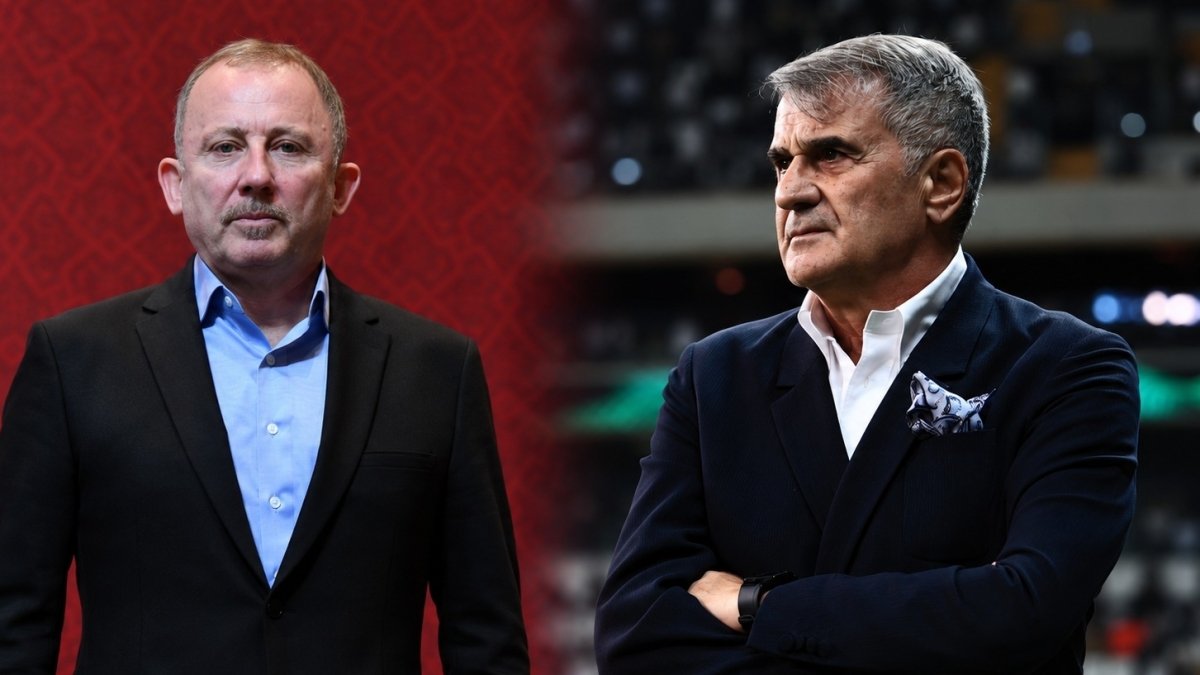
In the world of professional sports, few things generate faster friction than a change in command. When the chair shifts at the top of a national institution, the eyes of millions turn to the new face, but the whispers often linger around those who were left behind. This was the scenario that played out in Turkish football when Sergen Yalçın was appointed as the new technical director of the national team on October 24, 2026. The appointment itself was a routine administrative handover, yet it triggered a ripple effect of speculation that required a direct intervention from one of the country's most recognizable figures in the sport, Şenol Güneş.
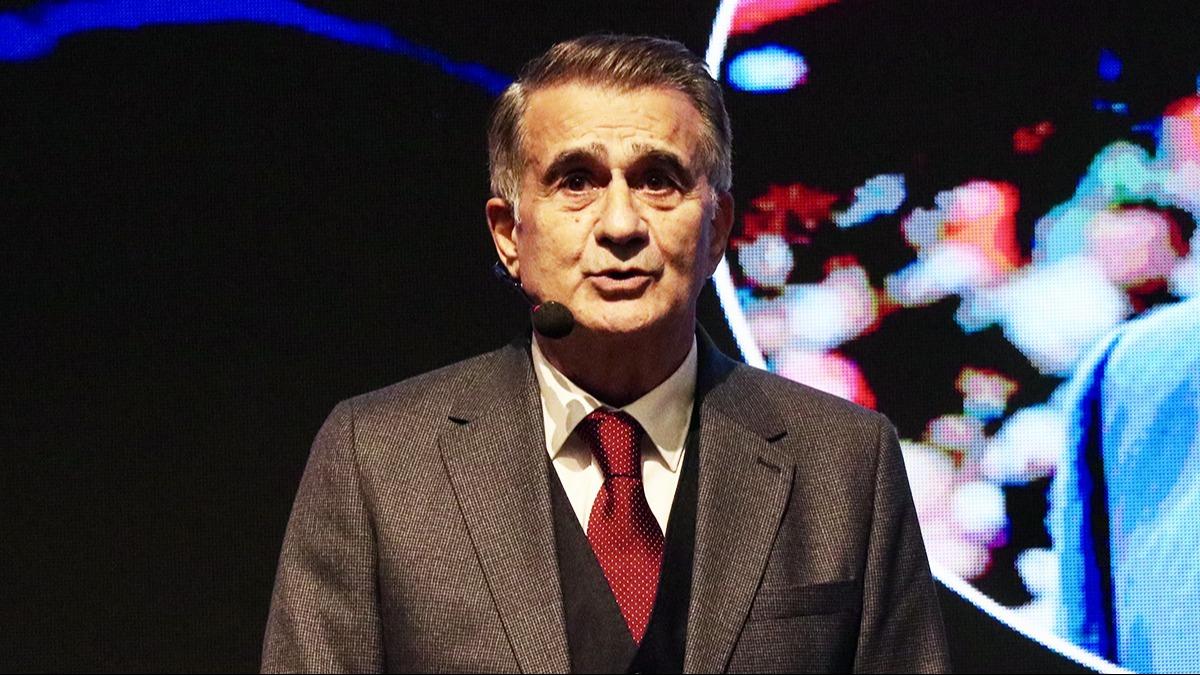
Güneş, a veteran of the game and a former technical director for the national team, had made a brief statement regarding the handover of power. The comment was short and blunt: he noted that he had not been consulted. In the vacuum that follows any major personnel shift in high-profile institutions, that single phrase was enough to fuel narratives of personal grievance, professional jealousy, or a quiet resignation from public life. For a moment, the public discourse shifted from the capabilities of the incoming manager to the perceived slights of the outgoing figure. It was a classic case of a factual statement being read through the lens of personal expectation.
On the same day, October 24, 2026, Güneş returned to the microphone to dismantle the subtext that others had added to his initial words. He did not arrive with a new policy or a dramatic announcement, but with a necessary correction of record. He clarified that his remark about not being contacted regarding Yalçın's appointment was not a criticism, nor was it a display of wounded pride. It was, as he explained, a direct answer to a specific question posed to him. He emphasized that his words contained no expectations, no hurt feelings, and no reproach. He was simply stating a fact about the communication protocol that had been followed—or not followed—during the hiring process.
Güneş was quick to highlight that decisions at the national team level are made by the relevant authorities.
The clarity of this distinction is vital for understanding how these organizations function. In national sports federations, appointments are the purview of specific governance bodies. Güneş was quick to highlight that decisions at the national team level are made by the relevant authorities. He pointed out that every institution operates on this principle: leadership transitions are the responsibility of the officials in charge, and the accountability for those choices rests squarely on their shoulders. By returning the responsibility to the authorities, he removed himself from the chain of command, effectively stepping out of the decision-making frame and back into his role as a public figure commenting on the process.
Güneş's explanation also touched on the timing of the appointment, noting that the team is in the middle of a management cycle. This detail serves as a reminder that national team leadership is not a permanent fixture but a rotating one, subject to the rules and calendars of the federation. The success or failure of a tenure, he argued, is never the result of a single factor. It is a complex outcome driven by many variables, and it is time that ultimately reveals whether a decision was correct or not. By invoking this broader perspective, he sought to temper the immediate hype or criticism that often surrounds a new appointment.
Despite the administrative language, the tone of Güneş's clarification was fundamentally supportive. He explicitly wished success for Yalçın in his new role, framing the national team's victory as a shared desire for all stakeholders in the sport. He stated that regardless of who occupies the technical director's chair, that individual is the coach of the national team, and the appropriate behavior toward them is one that supports their success. This wasn't a hollow phrase; it was an invitation to the public and the media to adopt a constructive stance. He made it clear that he did not want his words to be interpreted with a hidden meaning, and that his necessity to speak again was solely to prevent that misinterpretation. By closing the loop on the conversation, he restored a sense of normalcy to the discourse surrounding the team.
The episode underscores a common challenge in public institutions: the gap between a simple administrative update and the public's need for a narrative. Güneş navigated this by sticking strictly to the facts of his own position and the institutional framework of the federation. He did not defend Yalçın's tactical choices, nor did he critique the board's process; he simply established the boundaries of his own comment. As the national team moves forward into the next phase of its season, the focus returns to the pitch, but the precedent set by this clarification remains a reference point for how leaders in the sport are expected to handle transitions with dignity and clarity.