On October 23, 2026, the Çorum Circumference Road—a vital artery for traffic in the region—became the site of a violent collision that would momentarily halt the flow of daily life. The incident involved two vehicles whose paths crossed at the İskilip junction: a private automobile and an ambulance. In the split second of impact, the routine nature of road travel vanished, replaced by the chaotic physics of a high-energy crash. For those navigating the junction, what began as a typical commute quickly devolved into an emergency scene, necessitating the intervention of local authorities to manage both the wreckage and the resulting traffic gridlock.
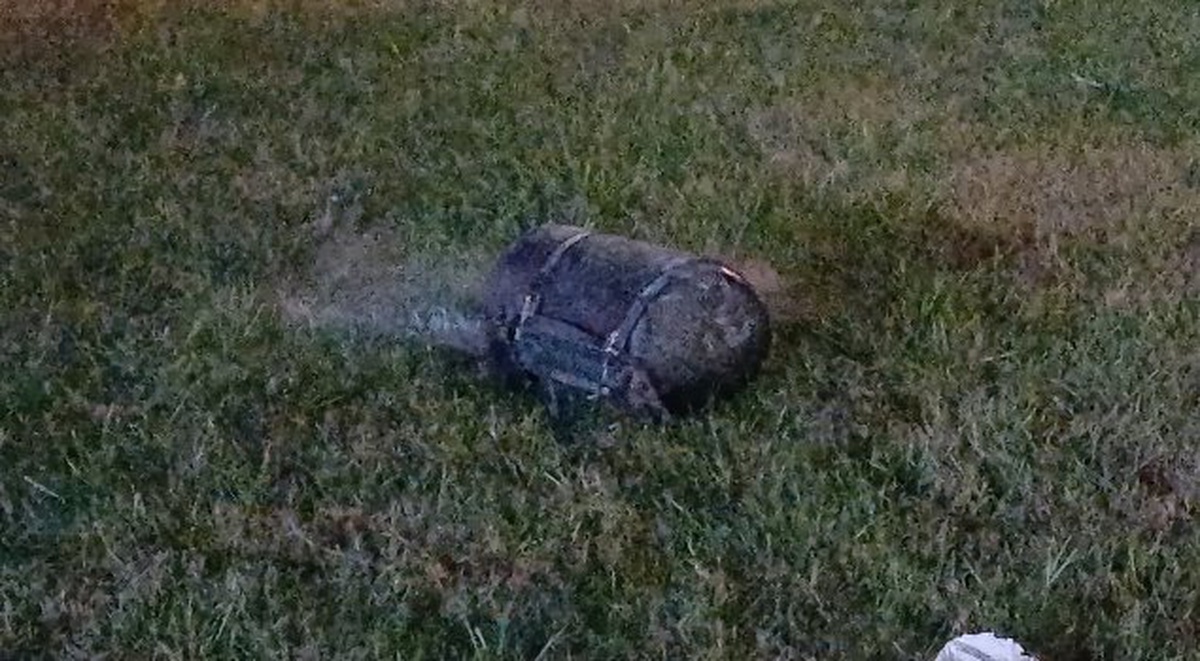
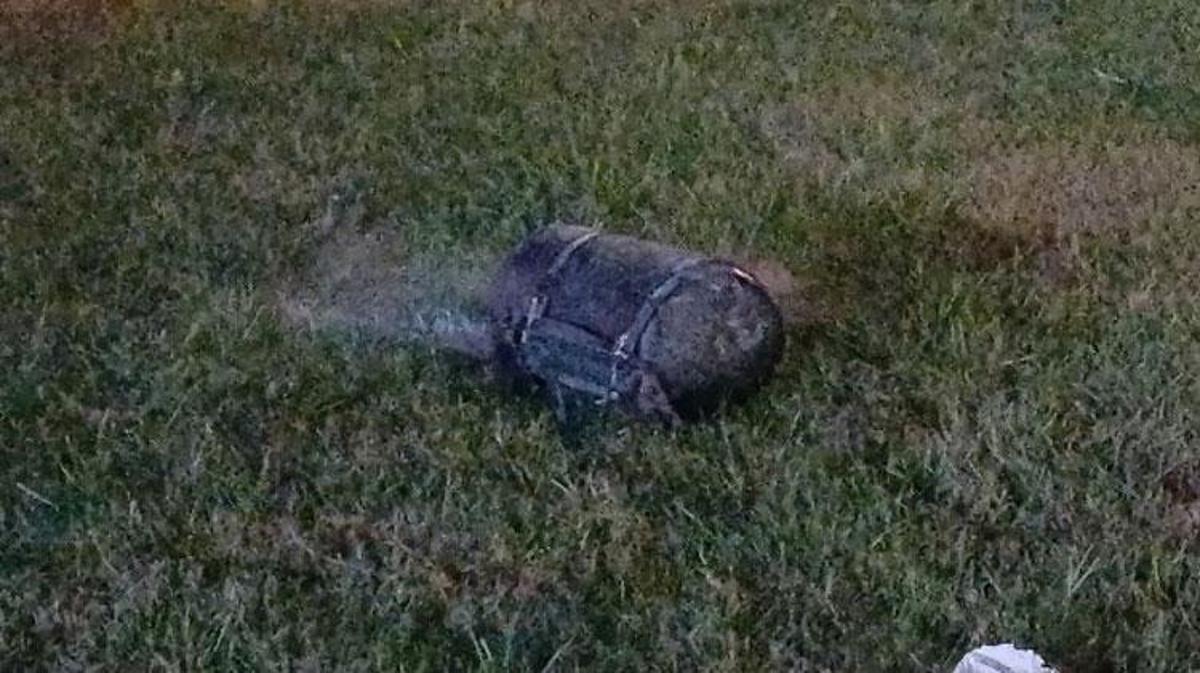
Perhaps the most jarring detail of the collision was the fate of the automobile’s LPG tank. Liquefied Petroleum Gas (LPG) systems are common in many vehicles, prized for their fuel efficiency, but they also represent a concentrated source of potential energy. Upon the force of the impact, the tank was sheared from its mounting, becoming an unguided projectile. It was thrown 15 meters from the point of collision, landing on the roadside. This secondary event—the liberation of a heavy, pressurized vessel—transformed a standard car accident into a hazardous materials situation, as the displaced tank began to leak gas, adding a layer of volatility to an already precarious environment.
Emergency services are designed to be the solution to crises, but on this day, they became part of the casualty count. Five individuals were injured in the collision, including the ambulance driver, a medical staff member, and three other occupants of the ambulance. The presence of medical professionals among the injured underscores the severity of the impact; these were individuals trained to respond to trauma who suddenly found themselves in need of the very care they provide to others. All five were transported to nearby hospitals for treatment, shifting the burden of care onto the local medical infrastructure that the ambulance itself was likely intended to support.
Five individuals were injured in the collision, including the ambulance driver, a medical staff member, and three other occupants of the ambulance.
Following the crash, the Çorum Circumference Road was temporarily closed to ensure the safety of responders and to facilitate the cleanup of the leaking LPG and the mangled vehicles. The disruption was significant, forcing a temporary standstill in a region that relies on the efficiency of its transit routes. However, once the vehicles were cleared and the immediate threat of the gas leak was mitigated, traffic was eventually restored. While the road has returned to its normal rhythm, the incident has prompted an official investigation. Authorities are now tasked with piecing together the sequence of events that led to the collision, examining everything from the mechanics of the LPG tank’s failure to the circumstances of the intersection itself, ensuring that the lessons of this October afternoon are not lost to time.