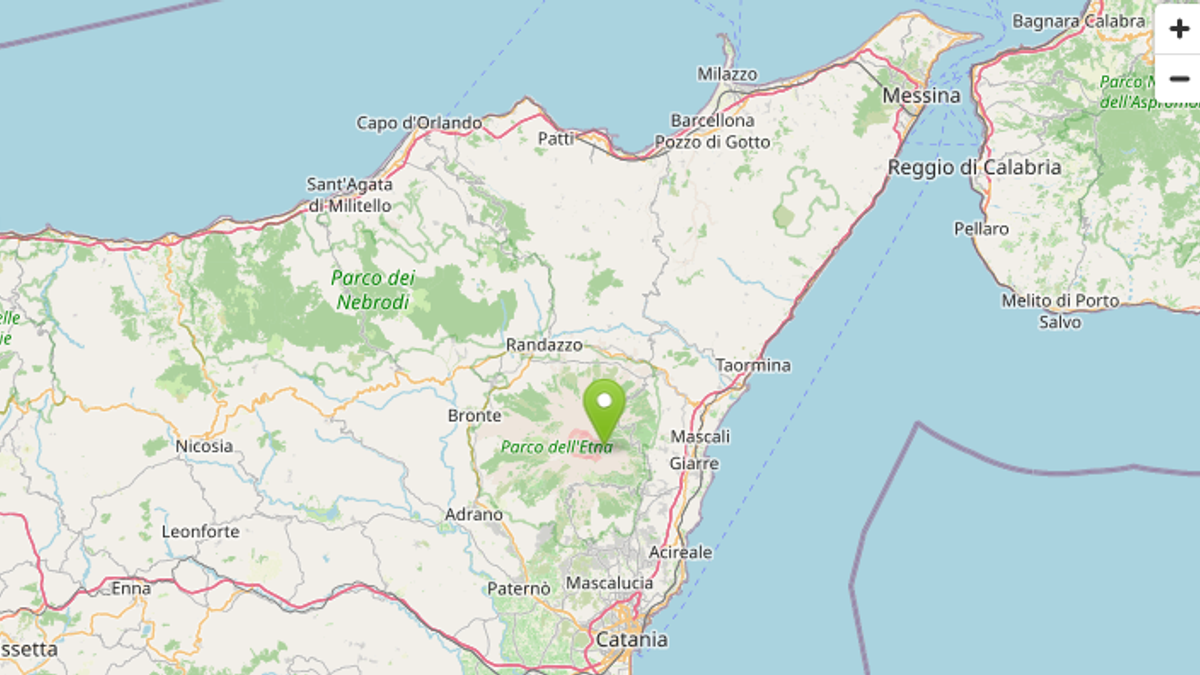
On a crisp morning in Catania, the city’s residents felt a subtle jolt at 8:49 AM on Wednesday. The tremor, measured at a magnitude of 3.8, rippled through the eastern slopes of Mount Etna and the Ionian coast. Though the shaking was felt, no reports of damage or injury surfaced, and the city’s infrastructure remained intact.
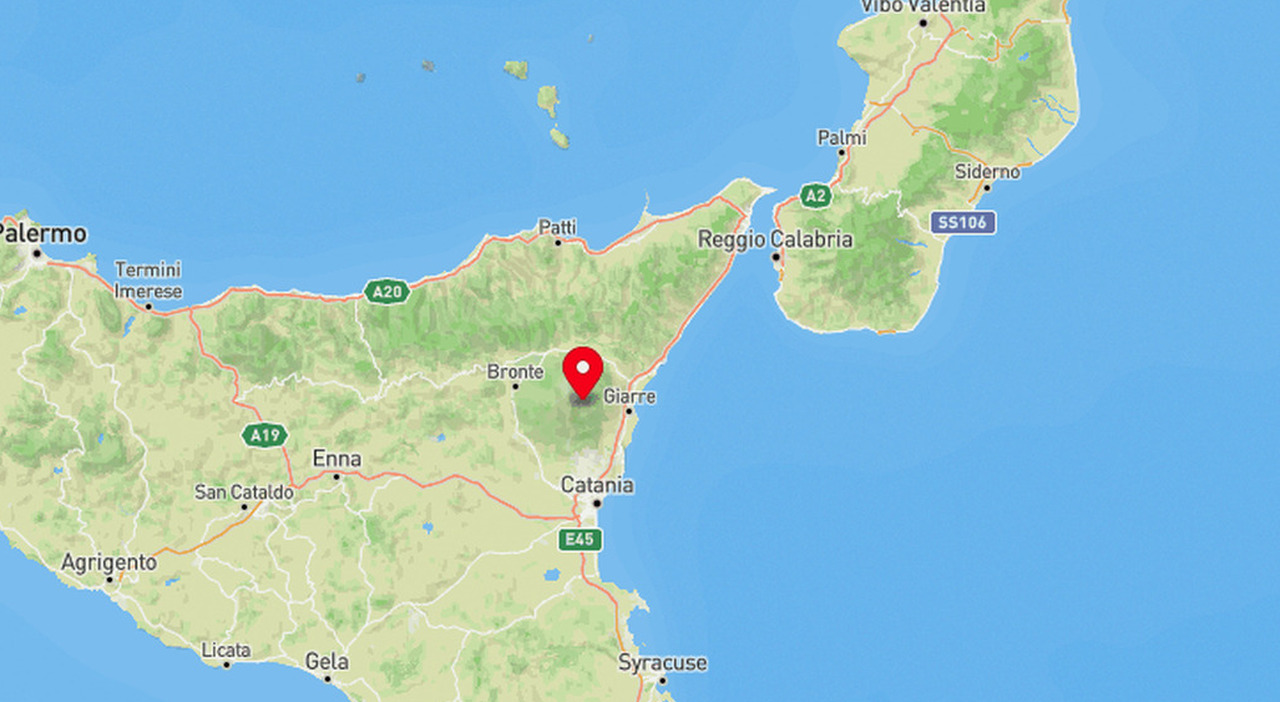
The earthquake’s epicenter lay just 7 km west of Milo, a small town perched on the volcano’s flank. Seismologists noted that the quake originated 4 km beneath the surface—a shallow depth that typically results in more noticeable ground motion at the surface.
Mount Etna, one of the world’s most active volcanoes, has a long history of seismic activity. The 3.8-magnitude event was a reminder of the volcano’s constant, low-level unrest. While the quake was not felt as strongly as a larger eruption would be, the fact that it was recorded at all underscores the importance of continuous monitoring.
A shallow quake like this one can signal the movement of magma or the shifting of tectonic plates beneath the volcano’s summit.
The tremor’s timing—mid-morning—meant that many residents were at work or school. Yet the city’s emergency services were quick to confirm that no buildings suffered structural damage and that no injuries were reported.
The 3.8-magnitude shock was not an isolated incident. Earlier that month, on October 18, a 3.2-magnitude quake struck 7 km southeast of Bronte. Even earlier in the year, a sequence of tremors occurred near Linguaglossa, including a 3.9-magnitude event followed by a 3.1-magnitude quake.
These series of events illustrate the region’s seismic rhythm. While each quake was relatively small, their clustering suggests a pattern of stress release along the volcano’s complex fault system.
Despite the potential for more significant activity, the 3.8-magnitude quake did not trigger any secondary hazards such as landslides or ashfall. The volcano’s monitoring network recorded the event and transmitted the data to the Italian Institute of Volcanology and Seismology (Istituto Nazionale di Geofisica e Vulcanologia), ensuring that scientists could update models of Etna’s behavior.
The local government issued a brief statement reassuring residents that the infrastructure remained sound and that the volcano’s activity was within expected parameters.
Etna’s seismicity is a key indicator of its internal dynamics. A shallow quake like this one can signal the movement of magma or the shifting of tectonic plates beneath the volcano’s summit. While the 3.8-magnitude event was modest, it added another data point to the long-term record that scientists use to forecast future eruptions.
The fact that the epicenter was only 7 km from Milo also highlights how closely the volcano’s activity can affect nearby communities. Milo’s proximity to the volcano makes it a critical observation point for both seismologists and emergency planners.
Sicily has long lived under the shadow of Etna, and its people have learned to read the subtle signs of the volcano’s moods. The 3.8-magnitude quake, while startling, was a reminder that the island’s residents must remain vigilant.
The region’s emergency services, infrastructure, and scientific community were all prepared to respond. The absence of damage or injuries speaks to the effectiveness of the city’s preparedness plans and the resilience of its built environment.
While the 3.8-magnitude quake was a small footnote in the volcano’s history, it serves as a crucial reminder of Etna’s ever-present dynamism. The data collected from this event will feed into ongoing research, helping scientists refine their understanding of the volcano’s behavior.
For residents of Catania and the surrounding areas, the day’s tremor was a quiet but potent reminder that life on the volcano’s flank is a constant dance with nature’s rhythms. The city’s calm response, coupled with the scientific community’s diligent monitoring, ensures that Sicily remains prepared for whatever the earth may send its way.