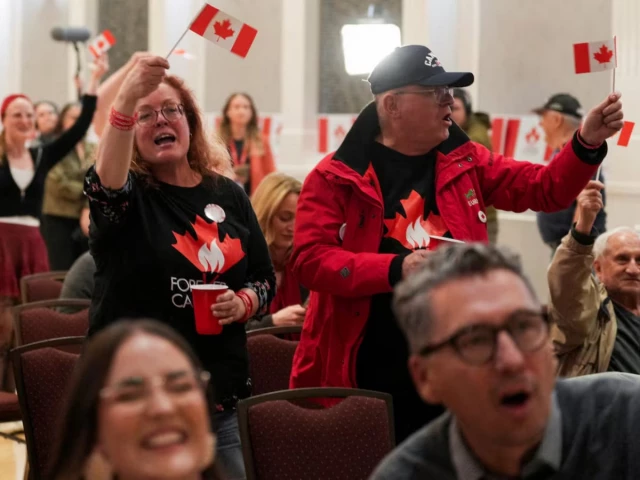
On October 20, 2026, the political landscape of western North America shifted as Albertans cast their ballots on a question that had simmered for years: would they remain part of Canada or seek independence? The referendum concluded with a result that sent ripples through federal and provincial politics alike. While separatist leaders argued that Alberta deserved better treatment within the federation, the electorate responded with overwhelming clarity.

The vote was nonbinding, meaning it did not legally force a change in government structure, yet its symbolic weight was immense. With 76% of voters supporting the 'remain' side, the margin was stark. Over two-thirds of the electorate rejected the idea of breaking away from the country. This figure represented a significant rejection of the separatist narrative that had been gaining traction among certain factions. For many observers, this was not merely a statistical exercise but a statement of intent regarding the relationship between the provinces and the federal government. The sheer volume of participation suggested that the issue resonated deeply with the population, regardless of their specific economic or cultural preferences.
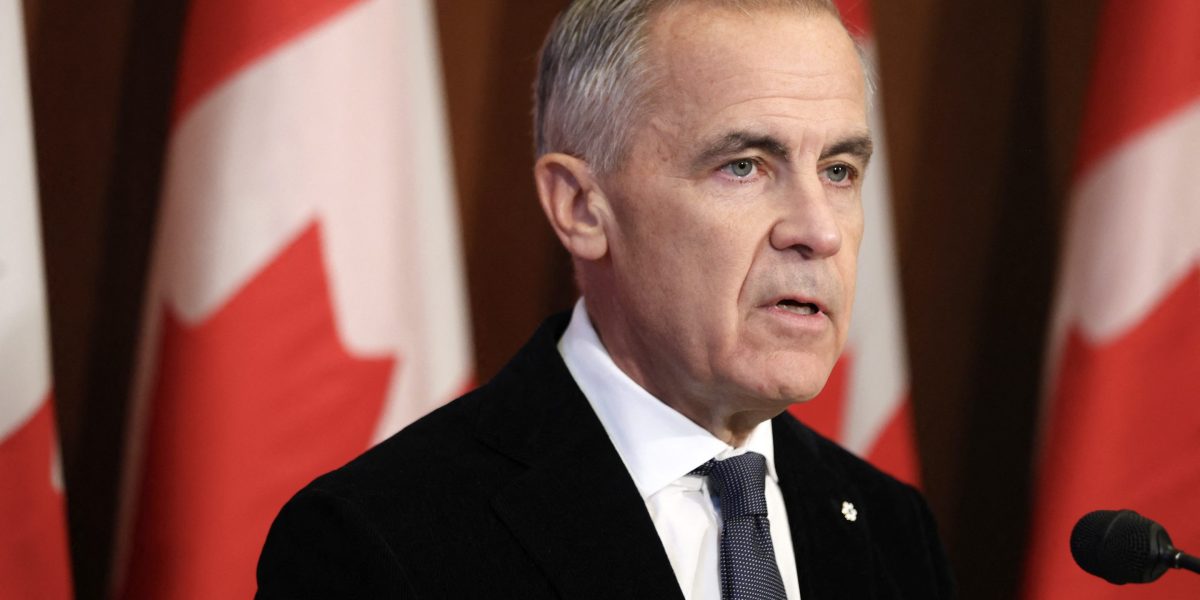
Prime Minister Mark Carney viewed the results as a vindication of his administration's approach to national cohesion. He expressed strong support for the outcome, framing the event as a collective choice by the citizens of the nation. "Albertans made a clear choice," Carney stated during press coverage following the count. "They chose unity, to build together, and to take care of each other. Above all, Albertans chose Canada." His remarks highlighted the core values he believed underpinned the decision: cooperation and mutual responsibility rather than division. For Carney, the vote confirmed that the federal government remained the preferred home for the majority of Albertans, reinforcing the stability of the Canadian union.
Keith Wilson, another key figure in the movement, offered a measured perspective on the immediate aftermath.

JUST IN: 🇨🇦 Alberta rejects separatism, votes to remain part of Canada.
Despite the clear victory for the status quo, the separatist movement did not vanish. Leaders acknowledged the defeat but signaled that the campaign would persist. Jeffrey Rath, representing the separatist leadership, indicated that the group intended to continue their efforts. "We plan to roll up our sleeves and work harder," Rath said, suggesting that the momentum would shift toward more aggressive advocacy. Keith Wilson, another key figure in the movement, offered a measured perspective on the immediate aftermath. "We don't have the final results," Wilson noted, cautioning against premature conclusions. "I think the numbers are going to fluctuate, but it is fair to say that at least a quarter of Albertans feel that Alberta needs to be treated better."
Wilson's comments reflected the underlying grievance driving the vote: perceived wealth redistribution issues. While the majority voted to stay, a substantial minority felt that the economic model favored by the federal government left Alberta behind. This sentiment provided a silver lining for the separatists, who hoped to leverage the remaining dissatisfaction into future policy demands. However, the data showed that even those critical of the current system still preferred staying within Canada over full independence.
The local political establishment also found resonance in the outcome. Alberta Premier Danielle Smith, who had previously navigated complex relations with Ottawa, issued a statement aligning with the popular will. "Albertans have voted for a stronger Alberta in a united Canada," Smith declared. Her endorsement bridged the gap between the federal government and the provincial leadership, signaling a period of cooperation rather than confrontation. This alignment suggested that the political machinery of both levels of government would now operate under the assumption of continued integration. The consensus helped stabilize the region politically, reducing the likelihood of immediate constitutional amendments or legal challenges regarding sovereignty.
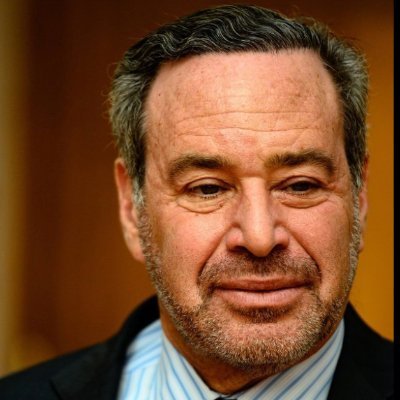
Rejection of Alberta separatism was Trump's first midterm defeat
While the vote settled the immediate question of separation, the broader dialogue about Alberta's role within Canada remains open. Keith Wilson emphasized that the debate was not over simply because the ballot box decided the answer. "The conversation about Alberta's future in Canada and our place in Canada and our role in Canada will continue," he said. This acknowledgment highlights that while the path to independence was blocked by the public, the questions regarding economic fairness and autonomy would persist in legislative halls and public discourse. The outcome suggests that the next phase of the relationship will focus on how best to manage these tensions without fracturing the union. As the dust settles on October 20, 2026, the political climate has moved from uncertainty to a defined direction where unity is the dominant theme, though the specifics of that unity will be debated for years to come.