The air in the French cities was thick with anticipation and frustration. On that Saturday, the grievances were not abstract economic theories, but the weight of daily life. The cost of living had become a suffocating reality for millions, driving them to the streets not just to complain, but to demand change. The initial mood of the nationwide protests was one of shared suffering, a collective exhale from people who felt the system was no longer working for them. As the day began, it looked like a standard, albeit large, expression of public discontent, with demonstrators gathering to voice their anger over public service cuts and the state of local schools. For a moment, it seemed like a traditional demonstration, a way for citizens to make their voices heard without breaking the social contract.
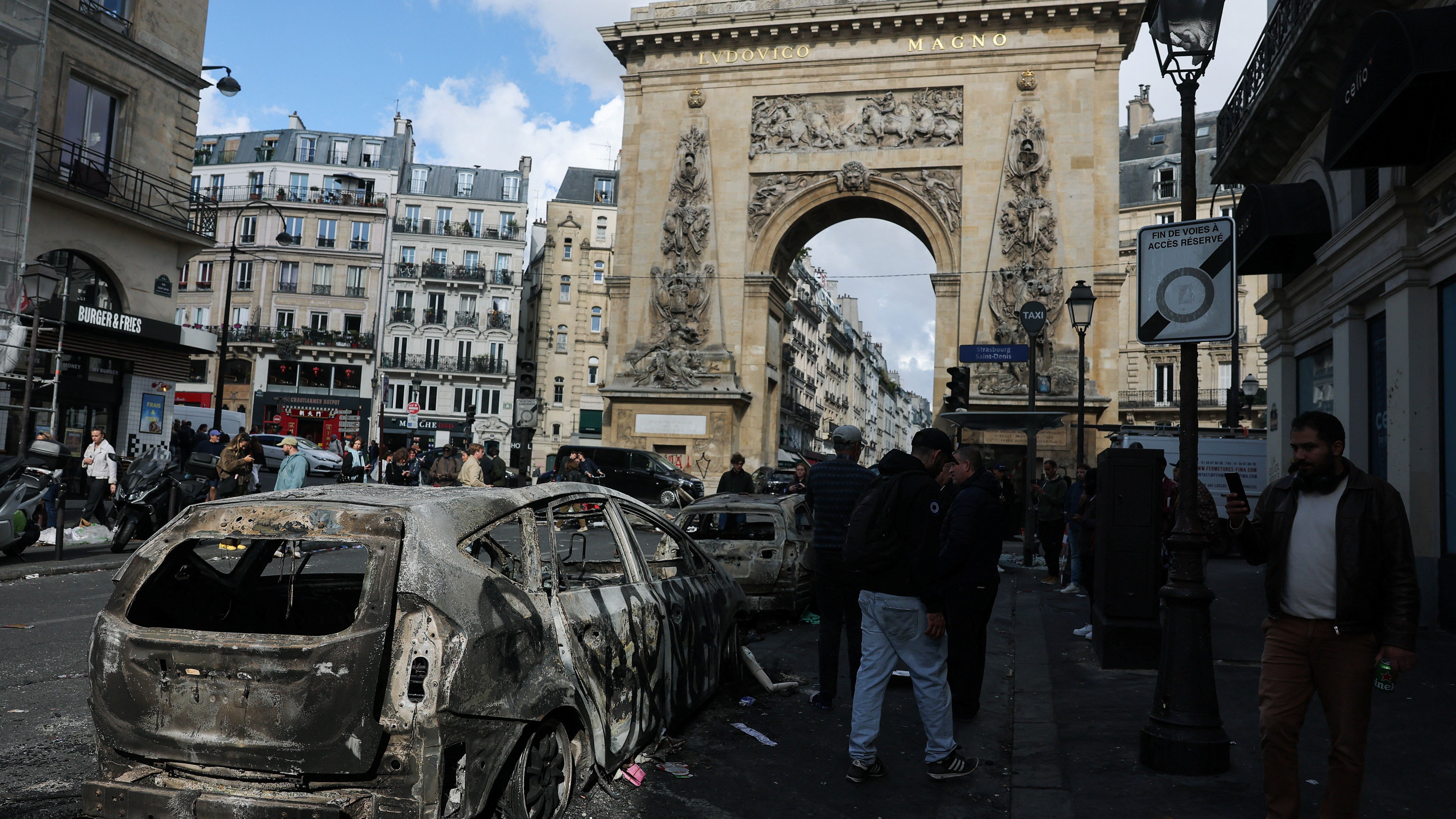
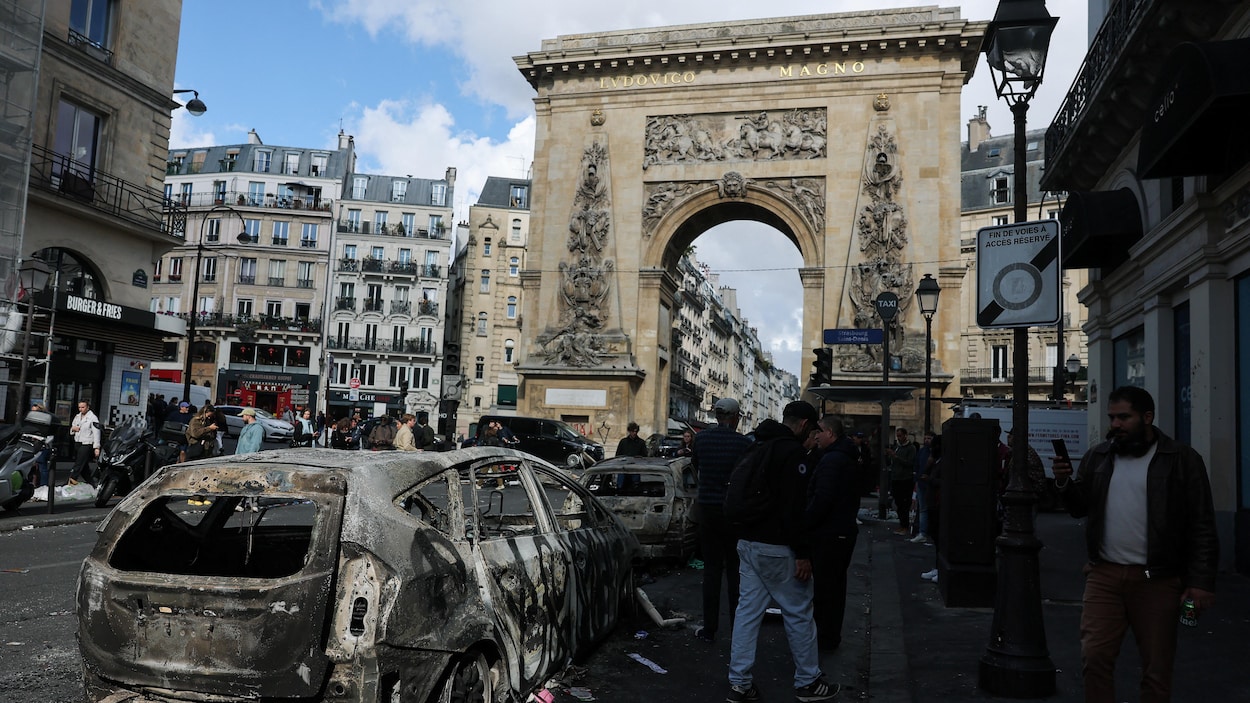
But the narrative shifted in the span of hours. The peaceful march dissolved into a chaotic storm of violence and looting that swept through the heart of the country. The streets, which were meant to be avenues of expression, became zones of conflict. In Paris, the capital and a symbolic heart of the Republic, the situation escalated quickly. It was not merely about blocking traffic or holding signs; it was about destruction. Shops were looted, and public buildings faced symbolic attacks that left their marks on the urban landscape. The transition from protest to riot was the defining feature of the day, marking a severe rupture in the public order that had previously characterized political disagreements. The atmosphere in the cities was one of shock, as the lines between civic duty and criminality blurred, leaving onlookers and residents trapped in the crossfire of the chaos.
The scale of the destruction was massive, and the official records painted a grim picture. Approximately 1,500 businesses were damaged, ranging from small local shops to larger commercial establishments, leading to losses estimated in the hundreds of millions of euros. These were not just brick and mortar; they were the livelihoods of local communities. The economic impact will linger long after the news cycle moves on, as many of these small operators may not have the financial cushion to recover from such extensive property damage. The figures serve as a tangible marker of the extent of the unrest, transforming abstract news reports into concrete economic blows to the French economy. It was a day that cost the country not just in human safety, but in financial stability for thousands of households.
More than 500 police officers, gendarmes, and firefighters were injured in the line of duty, their bodies bearing the physical toll of confronting the unrest.
Behind the statistics of damaged property was a harsh reality of human suffering and physical injury. The violence resulted in one death among the protesters, a health-related fatality that added a somber and tragic weight to the events. The impact on law enforcement and first responders was equally severe. More than 500 police officers, gendarmes, and firefighters were injured in the line of duty, their bodies bearing the physical toll of confronting the unrest. For the families of these service members, the day was not just about the public order; it was about the safety of their loved ones. The number of injuries among the uniformed forces highlighted the intensity of the confrontation, showing that the state had to deploy significant resources to maintain control against the waves of angry crowds.
Law enforcement moved to restore order with decisive force. The authorities made a stark point about the limits of acceptable behavior. President Emmanuel Macron, navigating the fallout of the unrest, prepared to address the nation on Sunday. His stance was clear: the rule of law must be upheld, and the democratic framework would not tolerate such an escalation of violence. The government’s response was framed around the necessity of maintaining public order and protecting the integrity of the Republic. This was a critical moment for the executive, as the administration had to balance the need for security with the political implications of using heavy-handed tactics against the population. The decision to confront the protests with a firm hand signaled that the state viewed the riots not as a political disagreement, but as a challenge to its authority.
The scale of the enforcement was staggering. Nearly 1,800 people were arrested throughout the day in connection with the protests and looting. In Paris, violence and looting erupted, leading to arrests and attacks on public buildings. These figures represent a significant portion of the total and show where the police focused their efforts to neutralize the unrest. For the arrested individuals, the day ended in handcuffs and police stations, a stark contrast to the initial intent of just marching for a better life. The large number of arrests highlighted the scale of the unrest. The mass arrests became a central talking point, with debates erupting over whether the numbers were justified or disproportionate to the actual threat posed by the protesters.
The aftermath of the day was a complex mess of political posturing and public outrage. The citizens who had taken to the streets were now a divided group. Some stood by the grievances that sparked the march, while others were horrified by the violence that followed. The public reaction was a mix of critical voices who blamed the protesters for the chaos and supportive voices who emphasized the underlying poverty and frustration that fueled the fires. In the