
In the competitive landscape of Indian beverage market, a standard product represents a significant business engine for major companies. PepsiCo, which produces its own line of caffeinated beverages, currently faces a regulatory challenge that could impact its market position. The company's products have helped it establish a strong presence in the rapidly growing energy drink sector, but that position is now under threat, and the warning signals are flashing red.
The trouble began on October 15, 2026, when the Food Safety and Standards Authority of India, the country’s food safety regulator, issued a sweeping order. Regulators moved to bar makers of high-caffeine drinks from using the term 'energy drink' on their labels. It was a move aimed at a category that has exploded in popularity across the country, a sign of a rapidly growing market that regulators are struggling to keep pace with. The order was not a vague suggestion; it was a direct mandate for a complete rebranding.
The immediate impact was a legal showdown in the Delhi High Court. PepsiCo immediately challenged the regulator's authority. The company’s lawyer, Sandeep Sethi, stood before the judge and delivered a stark warning. He argued that the regulator’s order was not just a label change but a potential supply chain catastrophe. 'There will be no goods in the market after a couple of months,' Sethi told the court. It was a dramatic claim, suggesting that the company’s entire inventory of its top-selling product would vanish from store shelves within a matter of weeks.
On the same day the order was issued, Red Bull won a court reprieve from the regulator's order.
The lawyer’s argument was simple but devastating: if PepsiCo is forced to remove the 'energy drink' label, the company cannot legally sell the product. Without the label, the product cannot be sold. Therefore, the ban would effectively force the company to stop production. This is a critical point of contention in the case, which is being viewed as a test of how far the regulator can go in policing product labels in a market that is growing by leaps and bounds.

PepsiCo warns 'energy drink' ban could run its India supplies dry as Red Bull sells on https://t.co/K10eWgdtGy https://t.co/K10eWgdtGy
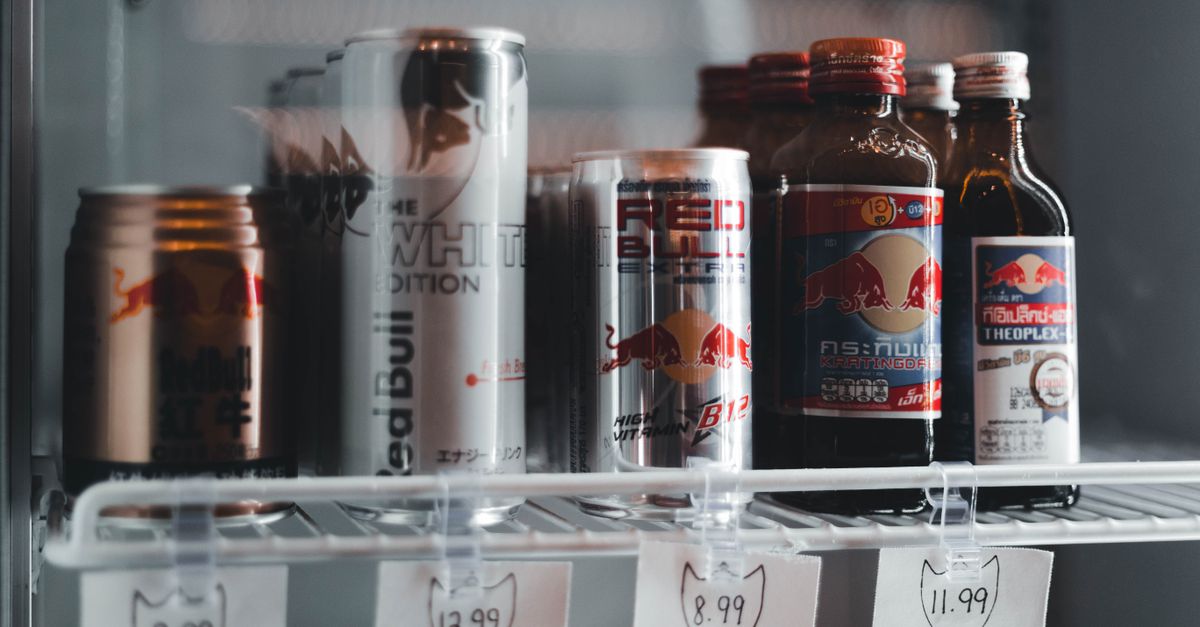
While PepsiCo faced the prospect of a total market exit, its rival, Red Bull, found a different path. On the same day the order was issued, Red Bull won a court reprieve from the regulator's order. The company successfully argued that its products were exempt from the ban, allowing it to continue selling its drinks with the 'energy drink' label intact. This created an immediate and stark contrast between the two beverage giants. While PepsiCo was fighting to keep its products on the shelves, Red Bull was already celebrating a victory.
The Delhi High Court refused to let PepsiCo resume making drinks carrying the 'energy drink' label, effectively upholding the regulator's order against the company. The court’s refusal meant that PepsiCo’s products, which are sold nationwide, would remain off the market until a final ruling is made. The company’s lawyer reiterated the warning, arguing that a ban could cause stock shortages, a claim that underscored the company's belief that the regulator’s order was not just a label change but a potential supply chain catastrophe.
The legal battle is far from over. The next hearing is scheduled for October 30, a date that looms large for the Indian energy drink market. The outcome of this hearing will determine the fate of PepsiCo’s products and the future of the 'energy drink' label in India. The regulator’s broader effort to regulate high-caffeine drinks is still ongoing, and this case is just one piece of a larger puzzle. The stakes are high, and the implications are far-reaching. The next hearing will determine if the company's staple products will remain available on Indian shelves or if they will be replaced by a new, unbranded product.


PepsiCo warns 'energy drink' ban could run its India supplies dry as Red Bull sells on https://t.co/miLvCZu3ak