In September, India’s Wholesale Price Index (WPI) for all commodities climbed to 112.5, translating to an annual inflation rate of 11.39 %. That marks a jump from the 110.8 recorded in August and a rise of 1.47 percentage points from the 9.9 % rate a month earlier. The WPI, a long‑standing gauge of price movements at the wholesale level, captures price changes that producers and wholesalers face before goods reach the retail shelf. Because it reflects price pressures earlier in the supply chain, a spike in the WPI often foreshadows shifts in consumer‑facing prices.

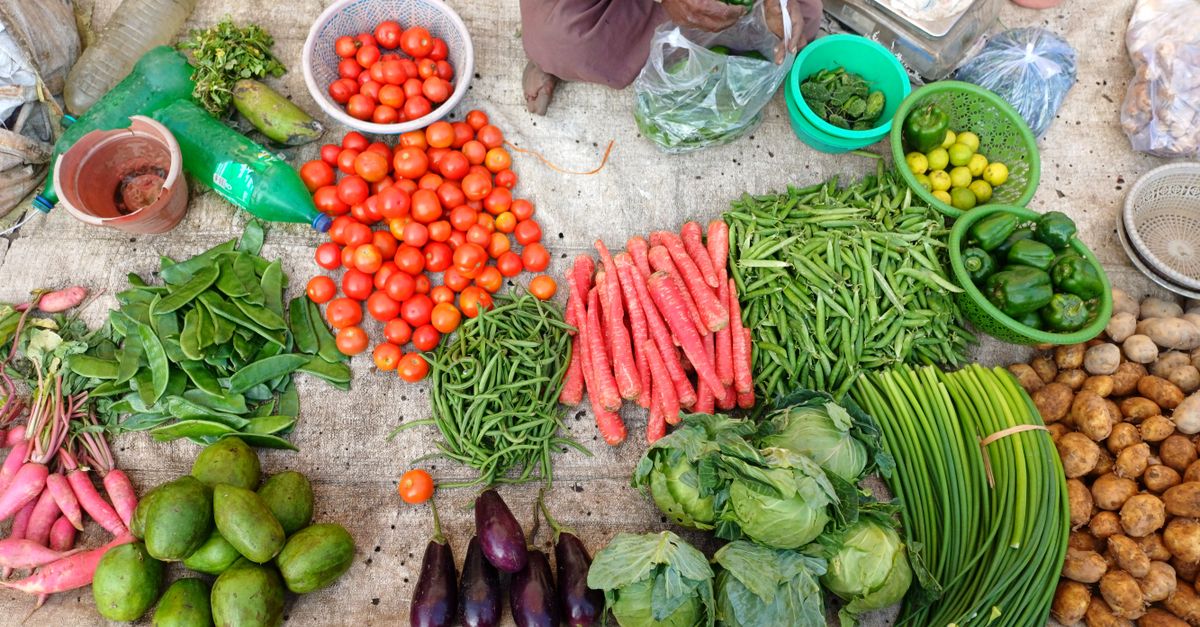
The food component of the index contributed to the overall surge. The WPI food index posted an annual inflation rate of 8.66 % in September. Higher food prices at the wholesale level tend to ripple through to retail markets, amplifying the cost of everyday meals for households across the country.

WPI inflation quickens to 11.39% in September from 9.9% in August https://t.co/X9QHdIYi8H
Manufactured items, which carry the highest weight in the WPI basket, recorded inflation of 9.76 % in September. Because manufactured goods dominate the index’s composition, movements in this segment exert outsized influence on the headline figure. The rise reflects broader price pressures on inputs such as raw materials and intermediate goods used by factories and exporters.
Economists caution that food inflation may stay elevated in the coming months.
The most dramatic increase came from the fuel and power basket, where inflation surged to 25.85 % in September from 22.93 % in August. Energy costs have a cascading effect on the entire economy: higher fuel prices raise transportation costs, which in turn lift the price of goods moving through the supply chain. Power costs affect industrial production directly, feeding into the manufactured‑goods component of the index.
The wholesale surge did not stay confined to the producer side of the market. Retail inflation, which measures price changes faced by consumers, rose to 5.54 % in September, up from 4.83 % in August. While the retail figure remains lower than the wholesale rate, the upward trajectory signals that the higher costs at the wholesale level are beginning to be felt by end‑users.
In reaction to the accelerating price pressures, the Reserve Bank of India (RBI) lifted its policy repo rate by 25 basis points, bringing it to 5.50 %. The central bank’s move aims to temper demand and anchor inflation expectations. By making borrowing more expensive, the RBI hopes to cool spending in sectors most sensitive to price hikes, such as construction and consumer durables.

WPI inflation quickens to 11.39% in September from 9.9% in August. More rate hikes on the way. Expecting around 100 bps rate hikes over the period of next 6-9 months. #inflation
Economists caution that food inflation may stay elevated in the coming months. Risks stem from an anticipated El Niño event and uneven monsoon rainfall, both of which can disrupt agricultural output and push food prices higher. In a country where a large share of the population spends a significant portion of income on food, such weather‑related shocks can quickly translate into broader inflationary pressures.
Beyond domestic factors, higher global commodity prices and rising energy costs are adding to the upward pressure on food prices. Imported fertilizers, for example, become more expensive when global oil prices rise, raising production costs for farmers and, ultimately, the price of crops at the wholesale level.
Understanding why certain components move the index more than others requires a look at weighting. Manufactured items dominate the WPI composition, so a 9.76 % rise in that basket has a pronounced effect on the headline 11.39 % figure. Fuel and power, despite a higher headline rate of 25.85 %, represent a smaller share of the basket, tempering their impact on the overall index.
The September reading follows a gradual climb over the previous two months. In July, the final WPI stood at 110.0, rising to 110.8 in August before reaching 112.5 in September. This steady ascent underscores a broader trend of mounting price pressures across multiple sectors.
Higher wholesale prices translate into higher costs for retailers, who may pass on a portion of the increase to consumers. For businesses, especially those dependent on fuel and power, the surge in energy costs erodes profit margins and can lead to reduced investment or hiring. For households, the combined effect of rising food and retail prices squeezes disposable income.
Market watchers anticipate that food inflation could linger in the 7–8 % range over the next three to six months. Such a trajectory would keep overall inflation above the RBI’s target band and could influence further policy decisions.